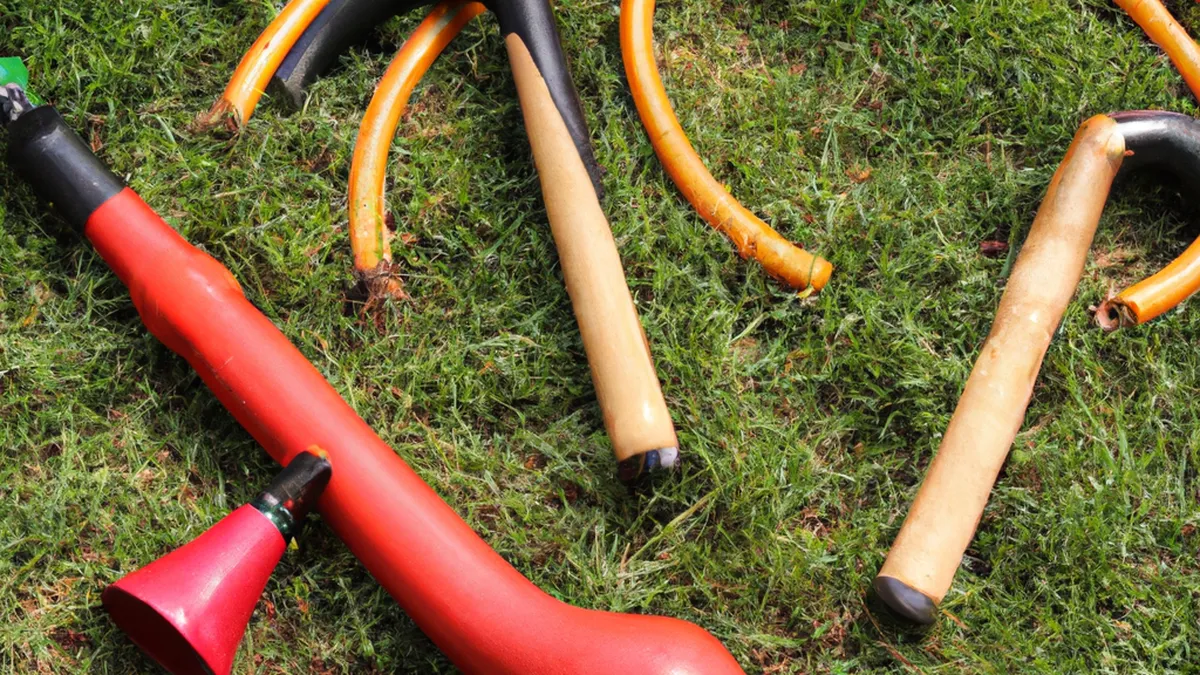
Start Your Outdoor Fitness with Indian Clubs
How to Use Indian Clubs in Outdoor Fitness Classes
Outdoor fitness classes offer an enjoyable way to exercise in nature. Fresh air, natural light, and physical activity boost mood and motivation. Incorporating Indian clubs can enhance outdoor classes by adding strength training, coordination, and mobility. This post explains how to use Indian clubs effectively in outdoor fitness classes.
Understanding Indian Clubs
Indian clubs are weighted tools for strength training and mobility exercises. They originated in ancient India and gained popularity for enhancing physical performance. Clubs come in various sizes and weights, making them suitable for all fitness levels. Their design promotes a full range of motion, benefiting flexibility and strength.
Why Choose Indian Clubs?
Indian clubs improve grip strength as participants swing and maneuver them. This engagement activates muscles in the hands, wrists, and arms, leading to better functional fitness. Improved grip strength translates into enhanced performance in other activities.
Indian clubs also boost coordination and balance. The fluid movements require concentration and precision, increasing body awareness and control. This advantage benefits athletes and anyone seeking to improve athletic performance.
Tips for Incorporating Indian Clubs
1. Choose the Right Weight
Selecting the right weight is crucial for all users. Beginners should start with lighter weights to focus on form and technique. As they gain confidence and skill, they can gradually progress to heavier weights.
2. Prioritize Warm-Up
A proper warm-up is essential, especially with weighted equipment. Dynamic stretching prepares muscles for the workout. Effective warm-up exercises for Indian club training include:
– **Arm Circles:** Extend arms out and make small circles, gradually increasing size.
– **Shoulder Rolls:** Roll shoulders forward and backward to loosen joints.
– **Wrist Stretches:** Extend one arm, palm up, and gently pull back on fingers with the opposite hand.
These exercises warm up the upper body and prepare participants for club movements.
3. Focus on Technique
Proper technique is vital to avoid injury and maximize effectiveness. Encourage participants to maintain good posture throughout exercises. They should stand tall, feet shoulder-width apart, and engage the core. Emphasize quality over quantity; participants should perform smooth, controlled swings.
4. Start with Basic Patterns
When introducing Indian clubs, begin with simple movement patterns.
Conclusion
Incorporating Indian clubs into outdoor fitness classes enhances strength, coordination, and overall performance. Enjoy the benefits of this versatile tool!
Below are related products based on this post:
FAQ
What are Indian clubs and how do they benefit outdoor fitness classes?
Indian clubs are weighted tools designed for strength training and mobility exercises. They help improve grip strength, coordination, and balance through fluid movements, making them suitable for participants of all fitness levels. Incorporating Indian clubs in outdoor fitness classes enhances the overall workout experience by promoting functional fitness and body awareness.
How should I choose the right weight for Indian clubs?
Choosing the right weight is essential for effective training. Beginners should start with lighter weights to focus on proper form and technique. As confidence and skill develop, they can gradually progress to heavier weights, ensuring a safe and effective workout.
What warm-up exercises are recommended before using Indian clubs?
A proper warm-up is crucial when using Indian clubs. Recommended warm-up exercises include arm circles, shoulder rolls, and wrist stretches. These dynamic stretches prepare the upper body muscles for the workout, reducing the risk of injury and enhancing performance during club movements.














Post Comment