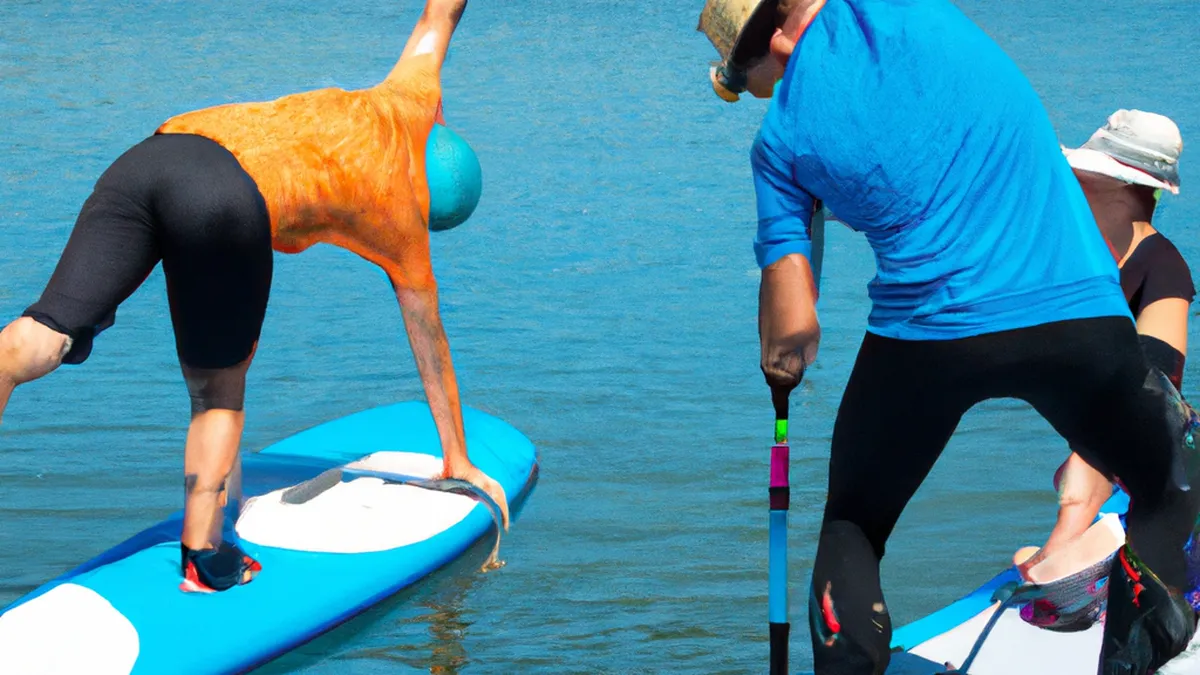
Maintain Balance with Core Strength Exercises
Techniques for Balancing During Guided Paddleboard Tours
Paddleboarding offers adventure and tranquility, attracting outdoor enthusiasts. However, beginners may find it challenging to maintain balance. This blog post presents effective techniques for stability during guided paddleboard tours.
Understanding Your Paddleboard
Familiarize yourself with your paddleboard before hitting the water. Paddleboards vary in shapes and sizes, affecting stability. Wider boards generally offer better balance, while narrower boards are faster and less stable.
Choosing the Right Board
In guided tours, instructors provide boards suitable for your skill level. Novices should choose wider boards for stability. Experienced paddlers can opt for narrower boards to enhance speed and maneuverability.
Foot Placement and Body Positioning
Foot placement and body positioning are crucial for balance. Stand with your feet shoulder-width apart for a stable base. Keep your toes pointed forward to improve control.
The Importance of a Neutral Stance
A neutral stance promotes good balance. Bend your knees slightly to lower your center of gravity. Align your hips with your feet and keep your shoulders relaxed for natural upper body movements.
Techniques for Maintaining Balance
Now that you understand your board and positioning, let’s explore techniques for staying balanced.
Engage Your Core
Engage your core muscles for stability. Activate your abdominal muscles while standing on the paddleboard. This engagement helps maintain posture and allows for quick adjustments.
Use Your Paddle for Support
Your paddle serves as a stabilizing support. Keep it in the water beside you when standing still. This placement counterbalances movement on the board, helping to prevent falls.
Maintain a Low Center of Gravity
Lowering your center of gravity enhances stability. Bend your knees slightly and lower your hips to achieve this position. Keeping your center of gravity close to the board improves balance.
Conclusion
By understanding your paddleboard and applying these techniques, you can enjoy your paddleboarding experience while maintaining balance.
Below are related products based on this post:
FAQ
What type of paddleboard is best for beginners?
Beginners should choose wider paddleboards for better stability. Wider boards provide a more stable platform, making it easier to maintain balance while learning the basics of paddleboarding.
How can I improve my balance while paddleboarding?
To improve your balance, ensure you engage your core muscles, use your paddle for support by keeping it in the water beside you, and maintain a low center of gravity by bending your knees slightly. These techniques will help you stay stable while on the board.
What should I do if I start to feel unbalanced on my paddleboard?
If you start to feel unbalanced, try to lower your center of gravity by bending your knees and keeping your hips aligned with your feet. Additionally, use your paddle for support to help stabilize your position on the board.












Post Comment