Investigating Tendon Function with Collagen Science
Understanding the Biomechanics of Collagen in Tendon Function
Tendons connect muscles to bones and enable movement. Collagen, the primary structural protein in tendons, maintains their integrity and function. Understanding collagen biomechanics helps us appreciate tendon operation and highlights tendon health’s importance for athletes and active individuals.
The Role of Collagen in Tendons
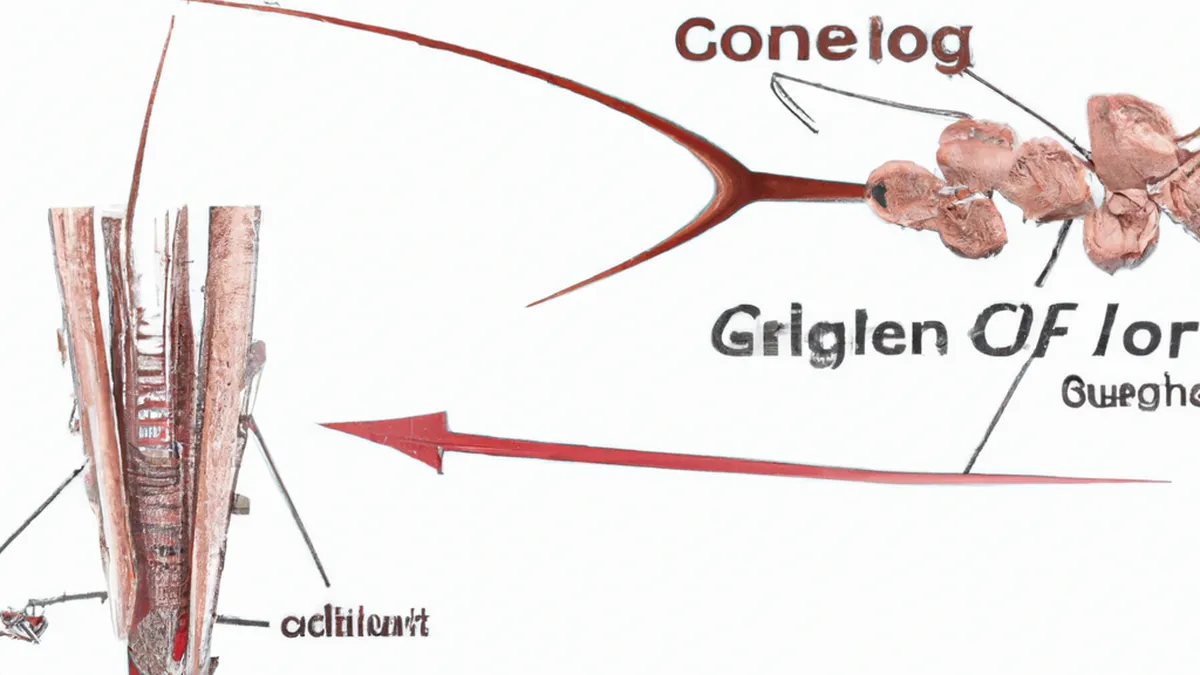
Collagen provides tensile strength to tendons through long, thin fibers. These fibers create a robust framework that withstands mechanical forces during movement. Type I collagen predominates in tendons, making up about 90% of their composition. This type offers high tensile strength, essential for supporting tendon loads during physical activity.
The parallel arrangement of collagen fibers enhances tendon function. These fibers efficiently transmit force from muscles to bones. During activities like running or lifting, tendons stretch and recoil. This elastic behavior allows tendon energy storage and release, improving movement efficiency.
Collagen Structure and Tendon Mechanics
Collagen fiber structure significantly influences tendon mechanics. Collagen fibers have a triple-helix structure that provides strength and flexibility. When subjected to mechanical stress, these fibers elongate without breaking, demonstrating tensile resilience. This property absorbs shock during high-impact activities and prevents injuries.
Collagen interacts with proteoglycans to enhance tendon function. Proteoglycans maintain hydration and provide cushioning within the tendon matrix. They bind water molecules, contributing to tendon viscoelasticity. Together, collagen and proteoglycans optimize tendon performance and resilience.
Factors Affecting Collagen in Tendons
Several factors affect collagen properties and functionality in tendons. Age significantly impacts collagen production, which decreases over time. This reduction leads to weakened tendons, increasing susceptibility to injuries like tendinopathy. Research shows that aging tendons repair less efficiently, emphasizing the need for an active lifestyle to promote collagen synthesis.
Injuries also affect collagen structure. Tendon injuries often disrupt the collagen matrix, causing misalignment or fragmentation. This disorganization impedes healing and leads to chronic pain. Effective rehabilitation focuses on restoring collagen alignment through targeted exercises and therapies.
Conclusion
In summary, collagen plays a crucial role in tendon function. Understanding its biomechanics and factors affecting it can promote tendon health and enhance physical performance.
Below are related products based on this post:
FAQ
What is the primary role of collagen in tendons?
Collagen provides tensile strength to tendons through long, thin fibers, creating a robust framework that withstands mechanical forces during movement. Type I collagen predominates in tendons, making up about 90% of their composition, which is essential for supporting tendon loads during physical activity.
How does collagen structure influence tendon mechanics?
The triple-helix structure of collagen fibers offers strength and flexibility, allowing them to elongate under mechanical stress without breaking. This tensile resilience absorbs shock during high-impact activities and prevents injuries, while the arrangement of collagen fibers enhances the efficient transmission of force from muscles to bones.
What factors can affect collagen properties in tendons?
Several factors can affect collagen properties and functionality in tendons, including age, which decreases collagen production over time, leading to weakened tendons and increased injury susceptibility. Additionally, tendon injuries can disrupt the collagen matrix, causing misalignment that impedes healing and contributes to chronic pain.














Post Comment