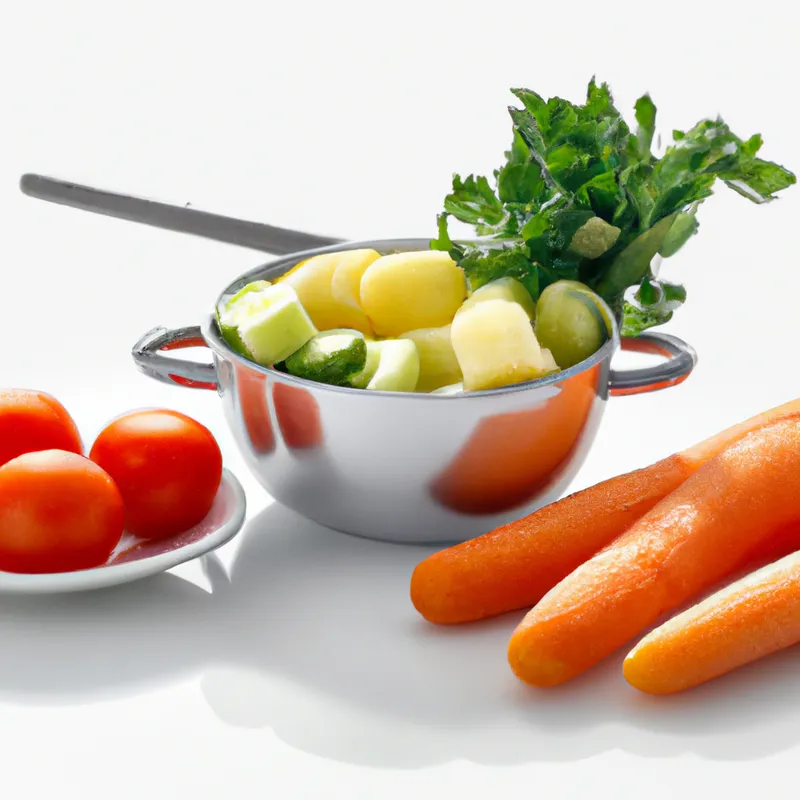
Elevate Your Meals: Choose Smart Cooking Styles
The Impact of Cooking Methods on Vitamin Retention in Food
Cooking methods significantly affect vitamin content in food, influencing nutritional value and health benefits. Different techniques can preserve or destroy essential nutrients, crucial for a balanced diet. Understanding these impacts helps you prepare meals that maximize nutrient retention. This blog post explores various cooking methods and tips to retain vitamins.
Common Cooking Methods
Cooking methods vary widely, and each approach interacts differently with vitamins. Here are the most common methods and their effects:
Boiling
Boiling is common for vegetables and grains but can lead to significant vitamin loss. Water-soluble vitamins, like vitamin C and B vitamins, dissolve in cooking water. When you discard the water, you lose many vitamins. Boiling also breaks down cell walls in vegetables, allowing nutrients to leach out. While boiling softens food, it often reduces nutrient content.
Steaming
Steaming effectively preserves vitamins. This method uses steam from boiling water, reducing direct contact with water. Steaming retains water-soluble vitamins better than boiling. It also maintains texture and flavor, making it ideal for cooking vegetables like broccoli, carrots, and spinach. Steaming helps maximize nutrient intake while offering flavorful dishes.
Roasting
Roasting uses dry heat, often in an oven, enhancing the flavors of vegetables and meats. However, high temperatures can destroy certain vitamins, particularly heat-sensitive vitamin C. To minimize nutrient loss, cook at lower temperatures and avoid overcooking. Roasting caramelizes natural sugars in vegetables, creating delicious flavors. Balance flavor with nutritional preservation.
Sautéing
Sautéing involves cooking food quickly in a small amount of oil over high heat. This method can preserve vitamins and enhance flavors, as quick cooking limits nutrient loss. However, excessive heat or prolonged cooking can degrade sensitive vitamins like vitamin C and some B vitamins. Use moderate heat and short cooking times to retain essential nutrients.
Microwaving
Microwaving cooks food quickly and uses minimal water, helping preserve vitamins. This technique maintains nutrients through short cooking times.
Conclusion
Cooking methods impact vitamin retention significantly. Choose techniques wisely to maximize nutrient intake and maintain the health benefits of your meals.
Below are related products based on this post:
FAQ
How does boiling affect vitamin content in food?
Boiling can lead to significant vitamin loss, particularly for water-soluble vitamins like vitamin C and B vitamins, which dissolve in cooking water. When the water is discarded, many vitamins are lost, and boiling can also break down cell walls in vegetables, allowing nutrients to leach out.
Which cooking method is best for preserving vitamins?
Steaming is considered one of the best methods for preserving vitamins. It uses steam from boiling water, which reduces direct contact with water, thereby retaining water-soluble vitamins better than boiling. Steaming also maintains the texture and flavor of vegetables, making it an ideal cooking method.
Can microwaving help in retaining nutrients in food?
Yes, microwaving is effective in preserving vitamins because it cooks food quickly and uses minimal water. The short cooking times associated with microwaving help maintain nutrients, making it a good option for cooking while maximizing nutrient retention.













Post Comment