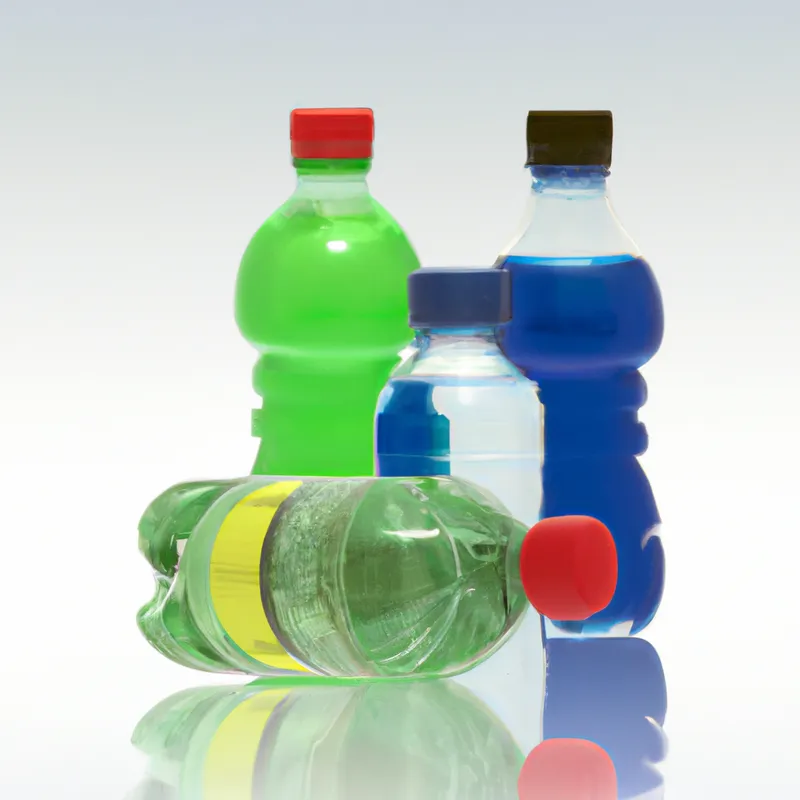
Boost Athletic Performance with Proper Hydration
Understanding RED-S
Relative Energy Deficiency in Sport (RED-S) describes health issues from an imbalance between energy intake and expenditure in athletes. Both male and female athletes can experience RED-S, leading to serious physical and psychological effects. Athletes with RED-S often face decreased performance, hormonal imbalances, and health complications like weakened bones and immune function. Athletes must address RED-S to maintain performance and overall health.
The Role of Hydration in Athletic Performance
Hydration plays a vital role in athletic performance, yet athletes often overlook it. Water serves as a crucial nutrient that supports digestion, nutrient absorption, and temperature regulation. Dehydration can severely compromise athletic performance. Symptoms of dehydration include fatigue, diminished cognitive function, reduced coordination, and increased injury risk.
In RED-S, inadequate hydration worsens energy deficiency symptoms. Dehydration can increase fatigue and decrease metabolic efficiency, making optimal performance challenging. Athletes must understand the relationship between hydration and RED-S to enhance performance and recovery.
The Importance of Hydration
Hydration influences every aspect of an athlete’s life. It maintains optimal performance and aids recovery after exercise. Intense physical activity causes fluid loss through sweat and respiration. Failure to replenish these fluids leads to dehydration and negative outcomes.
Research shows that mild dehydration—losing 1-2% of body weight—can impair physical performance. Athletes may experience decreased endurance, strength, and overall performance. Dehydration can also affect mood and cognitive function, resulting in reduced focus and mental clarity. This is critical for athletes in high-pressure situations where decision-making matters.
Tips for Staying Hydrated
1. **Drink Water Regularly**: Habitually drink water throughout the day, even without thirst. Carry a refillable water bottle to encourage sipping.
2. **Monitor Fluid Loss**: Weigh yourself before and after workouts to measure fluid loss. This helps you gauge post-exercise hydration needs.
3. **Consume Electrolytes**: During intense training or long events, incorporate electrolyte-rich beverages. These drinks replenish lost salts and maintain hydration for sustained performance.
4. **Eat Water-Rich Foods**: Include fruits and vegetables in your diet. Foods like cucumbers, oranges, and watermelon provide hydration and essential vitamins.
5. **Set Hydration Goals**: Establish daily hydration targets based on body weight, activity level, and climate. Specific goals help maintain hydration.
Conclusion
Hydration is essential for athletes to optimize performance and recovery. Proper hydration and awareness of RED-S can improve overall health.
Below are related products based on this post:
FAQ
What is RED-S and how does it affect athletes?
Relative Energy Deficiency in Sport (RED-S) describes health issues that arise from an imbalance between energy intake and expenditure in athletes. Both male and female athletes can experience RED-S, leading to decreased performance, hormonal imbalances, and health complications such as weakened bones and immune function.
Why is hydration important for athletes, especially those with RED-S?
Hydration is vital for athletic performance as it supports digestion, nutrient absorption, and temperature regulation. For athletes with RED-S, inadequate hydration can worsen energy deficiency symptoms, leading to increased fatigue and decreased metabolic efficiency, making optimal performance challenging.
What are some effective tips for staying hydrated as an athlete?
To stay hydrated, athletes should drink water regularly, monitor fluid loss by weighing themselves before and after workouts, consume electrolyte-rich beverages during intense training, eat water-rich foods like fruits and vegetables, and set specific hydration goals based on their body weight, activity level, and climate.












Post Comment