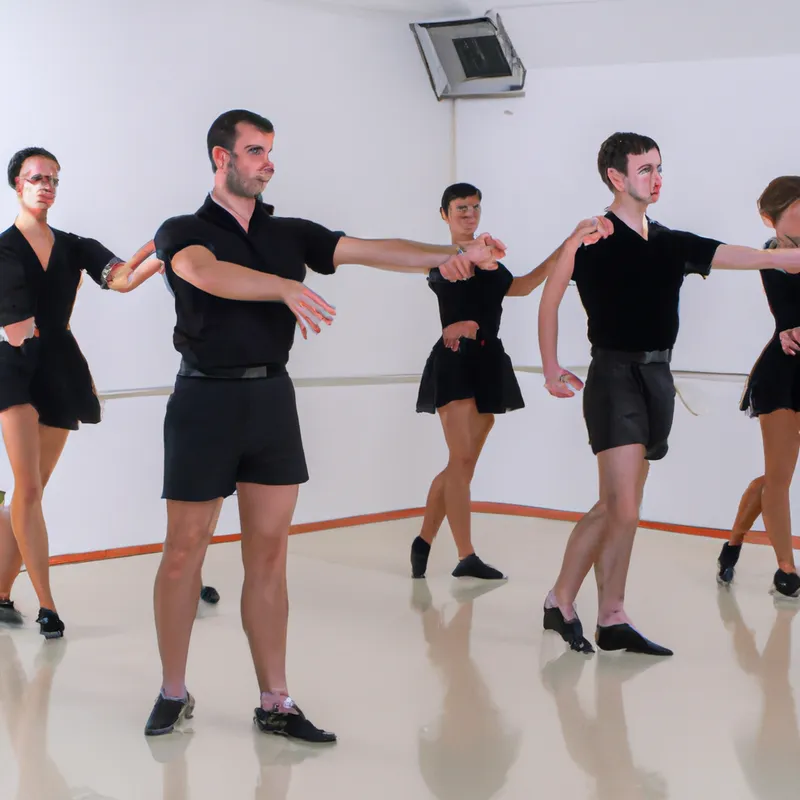
Strengthen Posture: Dance Moves for Athletes
How Dance Improves Posture and Alignment in Athletes
Athletes train for strength, speed, and endurance. Many neglect posture and alignment, which greatly impact performance. Poor posture can cause injuries and decrease movement efficiency. Dance, as a dynamic art form, provides a unique solution. Its focus on body awareness, balance, and alignment can enhance an athlete’s posture and overall performance. This blog post explores how dance improves posture and alignment for athletes across various sports.
Understanding Posture and Alignment
Posture describes body position in space—how we sit, stand, and move. Good posture aligns the body correctly, balancing weight and minimizing strain. Alignment refers to how body parts relate to each other. Proper alignment enhances performance, prevents injuries, and promotes well-being.
Athletes must maintain good posture and alignment. Poor posture causes muscle imbalances, hindering performance and increasing injury risk. For example, a hunched athlete may suffer back pain and reduced lung capacity, affecting endurance.
The Role of Dance in Improving Posture and Alignment
Dance involves movements that promote body awareness and control. Techniques learned in dance help athletes understand body movement and maintain proper alignment. Each dance style emphasizes different alignment elements. Ballet focuses on precise positioning and turnout, while contemporary dance emphasizes fluidity and expression.
Dance also strengthens core muscles, supporting the spine and enhancing posture. Dancers engage their cores in nearly every movement, fostering stability and control. As athletes practice dance, they naturally improve their alignment and posture, becoming more efficient in their sports.
Tips for Athletes to Incorporate Dance into Their Training
1. **Take Dance Classes Regularly**
Enrolling in dance classes can improve posture and alignment. Styles like ballet, jazz, and contemporary teach body mechanics. These classes enhance flexibility, strength, coordination, and rhythm—beneficial skills for any athlete.
2. **Focus on Core Strengthening**
Dance movements emphasize core activation, vital for proper posture. Exercises like pliés, tendus, and turns in ballet strengthen core muscles. Engaging in these movements develops a strong core, stabilizing the body and improving posture during athletic activities.
3. **Practice Balance Exercises**
Balance is critical in both dance and sports. Incorporate balance exercises into your routine by practicing dance moves that require balance.
Conclusion
Incorporating dance into training enhances athletes’ posture and alignment, improving overall performance and reducing injury risk.
Below are related products based on this post:
FAQ
How does poor posture affect athletic performance?
Poor posture can lead to muscle imbalances, which hinder performance and increase the risk of injuries. For instance, a hunched posture may result in back pain and decreased lung capacity, ultimately affecting an athlete’s endurance and overall effectiveness in their sport.
What specific benefits does dance provide for athletes?
Dance promotes body awareness, balance, and alignment, all of which are crucial for athletic performance. It strengthens core muscles, supports the spine, and helps athletes maintain proper body mechanics, leading to improved posture and efficiency in their movements.
What types of dance should athletes consider incorporating into their training?
Athletes can benefit from various dance styles, with ballet, jazz, and contemporary being particularly effective. These styles teach body mechanics, enhance flexibility, strength, coordination, and rhythm, all of which are valuable skills for improving athletic performance.












Post Comment