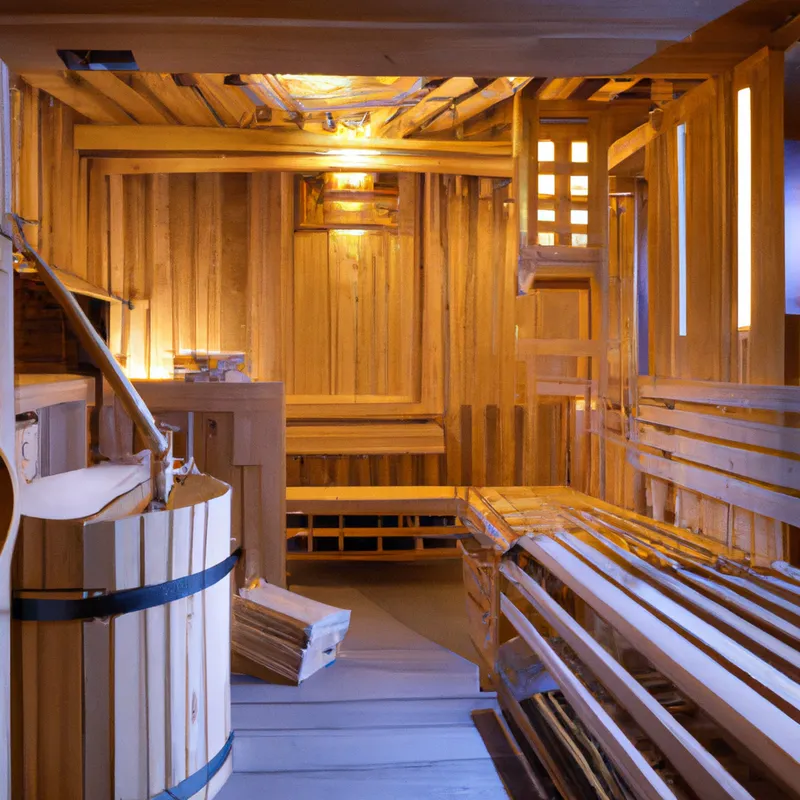
Reflect on Sauna Architecture Through the Ages
The Historical Development of Sauna Design and Architecture
Saunas serve as cherished spaces for relaxation, rejuvenation, and social interaction. Their design and architecture have evolved over centuries. This evolution reflects changes in materials, technology, and cultural practices. Understanding this journey enriches our appreciation of saunas today.
Origins of the Sauna
Saunas originated in ancient Finland as simple wooden structures. Early Finnish saunas used hot stones to create heat. People sat inside to sweat and cleanse their bodies. This practice evolved into a ritual promoting health, relaxation, and community bonding.
As sauna tradition grew, it spread throughout Europe. By the 12th century, various cultures began to adapt the sauna. Each culture modified the sauna to meet its unique needs. The Romans constructed elaborate public baths with heated floors and steam rooms. These communal spaces fostered social interactions alongside physical cleansing.
Traditional Finnish Saunas
Finnish saunas became iconic in sauna design and architecture. Traditional Finnish saunas feature a wood-burning stove called “kiuas.” The stove heats stones that radiate warmth, enveloping the bather. This design emphasizes simplicity and functionality, using natural materials like wood and stone. The ambiance remains serene, with soft lighting creating a peaceful environment.
In the 20th century, modern Finnish saunas emerged with electric heating. This innovation made saunas accessible to the general public. People could enjoy sauna experiences in their homes. Designers incorporated larger windows to let in natural light and connect with the outdoors. This shift enhanced aesthetics and contributed to overall wellness.
Architectural Evolution
Sauna architecture varies significantly across cultures. Japanese onsens integrate nature and tranquility into their design. These hot spring bathhouses blend seamlessly with their surroundings. They often feature wooden structures and outdoor baths, allowing bathers to enjoy nature. Designs focus on relaxation and harmony, incorporating rock gardens and water features.
In contrast, the Russian banya promotes communal sauna use. These saunas include cold plunge pools for alternating temperatures. This practice boosts circulation and invigorates the body. Banya architecture reflects its cultural significance, featuring rustic wooden structures that create a warm atmosphere.
Conclusion
Sauna design and architecture showcase cultural significance and evolution. Each tradition offers unique insights into relaxation and community bonding.
Below are related products based on this post:
FAQ
What are the origins of the sauna and how have they evolved over time?
Saunas originated in ancient Finland as simple wooden structures that utilized hot stones to create heat. Initially, they served as spaces for cleansing and community bonding. Over time, the sauna tradition spread throughout Europe, leading to adaptations by various cultures, including the Romans, who built elaborate public baths. This evolution reflects changes in materials and cultural practices, enriching the sauna experience today.
What distinguishes traditional Finnish saunas from modern designs?
Traditional Finnish saunas are known for their wood-burning stoves called “kiuas,” which heat stones to radiate warmth. They emphasize simplicity and functionality, using natural materials like wood and stone. In contrast, modern Finnish saunas incorporate electric heating, making them more accessible. They often feature larger windows to enhance natural light and connect with the outdoors, improving aesthetics and overall wellness.
How do saunas differ in architectural design across various cultures?
Sauna architecture varies significantly among cultures. For example, Japanese onsens are designed to integrate nature and tranquility, featuring wooden structures and outdoor baths that harmonize with their surroundings. In contrast, Russian banyas are focused on communal use and include cold plunge pools, promoting alternating temperatures for invigorating experiences. Each design reflects its cultural significance and the values associated with relaxation














Post Comment