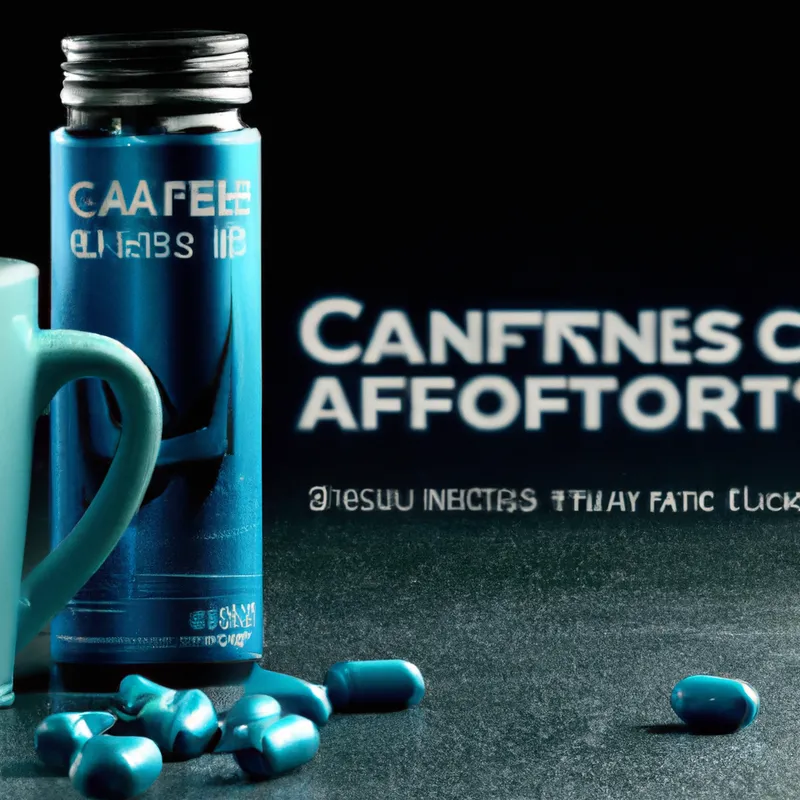
Harness Caffeine for Maximum Athletic Gains
The Science of Caffeine: How It Enhances Athletic Performance
Caffeine acts as a powerful performance enhancer for athletes. Numerous studies show it boosts endurance, strength, and mental focus. This blog explores caffeine’s science, its physiological mechanisms, and its impact on athletic performance.
Understanding Caffeine’s Mechanism
Caffeine blocks adenosine receptors in the brain. Adenosine promotes sleepiness and relaxation. By inhibiting it, caffeine increases alertness and energy levels. This effect benefits athletes during training or competition. A heightened state of arousal and focus improves performance.
Caffeine also stimulates adrenaline release, preparing your body for intense activity. Increased adrenaline raises heart rates and enhances blood flow to muscles. This response significantly boosts athletic performance, especially in endurance sports.
The Right Timing Matters
Timing your caffeine intake maximizes its benefits. Consuming caffeine too early or late can reduce effectiveness. Research suggests taking caffeine 30 to 60 minutes before exercise optimizes its effects. This timing allows maximum absorption during physical activity.
Athletes should experiment with different dosages. Most studies recommend 3 to 6 mg of caffeine per kilogram of body weight. For example, a 70 kg (154 lbs) athlete might benefit from 210 to 420 mg. Individual tolerance varies, so test different amounts before an event.
Tips for Effective Caffeine Use
1. **Start Slowly**: Begin with a lower dose if new to caffeine. Gradually increase to avoid side effects like jitteriness.
2. **Stay Hydrated**: Caffeine can increase urine production. Drink enough water before, during, and after exercise.
3. **Stick to Familiar Sources**: Choose known caffeine sources, like coffee or tea, to avoid surprises.
4. **Avoid Late-Day Consumption**: Limit caffeine intake to earlier in the day. Late consumption can disrupt sleep patterns.
Consider Your Sport
Different sports may require different caffeine strategies. For endurance sports, find the optimal approach for your needs.
Conclusion
Caffeine enhances athletic performance through increased alertness and energy. Understanding its mechanisms, timing, and dosages can help athletes maximize benefits.
Below are related products based on this post:
FAQ
How does caffeine enhance athletic performance?
Caffeine enhances athletic performance by blocking adenosine receptors in the brain, which promotes alertness and energy. It also stimulates adrenaline release, increasing heart rates and blood flow to muscles, significantly boosting performance, particularly in endurance sports.
What is the best timing for caffeine consumption before exercise?
The optimal timing for caffeine consumption is 30 to 60 minutes before exercise. This timing allows for maximum absorption during physical activity, ensuring that athletes can fully benefit from its performance-enhancing effects.
What dosage of caffeine is recommended for athletes?
Most studies recommend a dosage of 3 to 6 mg of caffeine per kilogram of body weight. For example, a 70 kg (154 lbs) athlete might benefit from 210 to 420 mg of caffeine, but individual tolerance may vary, so it’s advisable to test different amounts before an event.











Post Comment