Elevate Your Strength Routine with Kettlebells
Incorporating Kettlebells into a Traditional Strength Training Program
Kettlebells have become popular in gyms and home workouts. These versatile tools enhance traditional strength training and offer unique benefits. Integrating kettlebells improves strength, endurance, flexibility, and overall fitness. In this blog post, we will explore tips, advice, and benefits of using kettlebells while maximizing their effectiveness.
Understanding Kettlebells
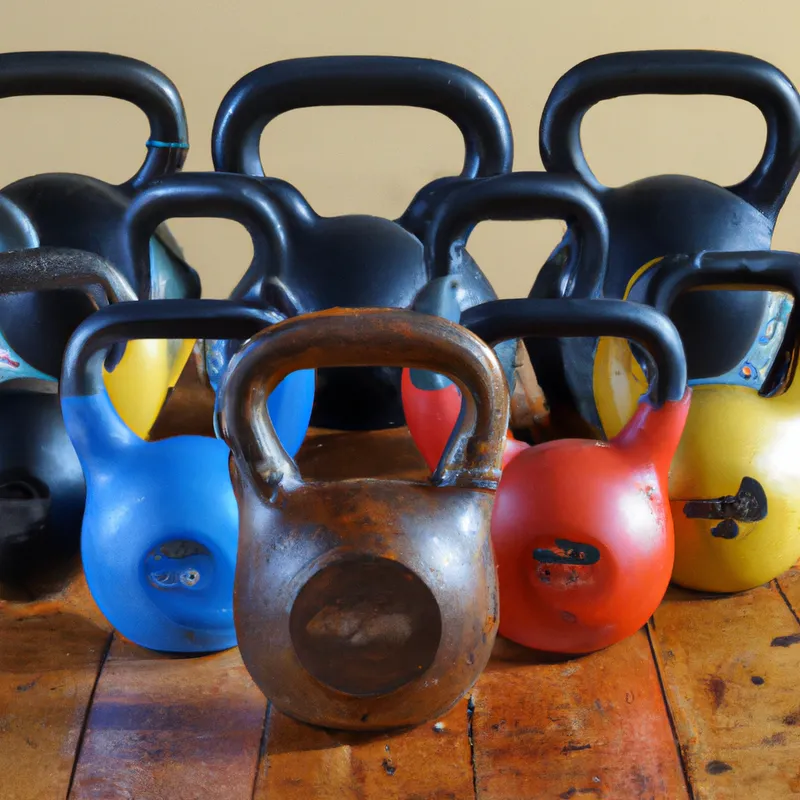
Kettlebells feature a spherical shape with a handle. This design enables movements that traditional dumbbells or barbells cannot achieve. Their off-centered weight distribution challenges your stability and engages your core muscles effectively. This unique training stimulus improves functional strength and athletic performance.
You can perform various exercises with kettlebells, such as swings, snatches, cleans, and Turkish get-ups. These exercises engage multiple muscle groups, enhancing coordination and balance. The dynamic nature of kettlebell workouts elevates your heart rate, providing cardiovascular benefits alongside strength training.
Choosing the Right Kettlebell
Selecting the appropriate weight is crucial when starting your kettlebell journey. Beginners should generally choose kettlebells weighing 8-12 kg (18-26 lbs) for women and 12-16 kg (26-35 lbs) for men. This varies based on individual strength levels and fitness backgrounds. Choose a weight you can lift comfortably while maintaining proper form. Gradually increase the weight as you progress and build strength.
Basic Kettlebell Exercises
To incorporate kettlebells effectively, master a few basic exercises. Here are foundational movements to include:
1. **Kettlebell Swings:** This explosive movement targets the hips, glutes, and core. Swings build power and endurance, fitting well into high-intensity interval training (HIIT) routines.
2. **Turkish Get-Ups:** This full-body exercise improves mobility, stability, and body awareness. It involves moving from lying to standing with a kettlebell overhead, showcasing excellent functional movement.
3. **Goblet Squats:** Holding a kettlebell close to your chest while squatting reinforces proper form and engages the core. This variation benefits beginners learning effective squat techniques.
4. **Kettlebell Deadlifts:** Similar to traditional deadlifts, kettlebell deadlifts strengthen the posterior chain, focusing on hamstrings, glutes, and lower back. They build strength while minimizing risk.
Conclusion
Incorporating kettlebells into your strength training routine enhances effectiveness and variety. Use these insights to improve your workouts.
Below are related products based on this post:
FAQ
What are the primary benefits of incorporating kettlebells into a strength training program?
Kettlebells enhance traditional strength training by improving strength, endurance, flexibility, and overall fitness. Their unique design allows for exercises that engage multiple muscle groups, improve core stability, and elevate heart rates, providing both strength and cardiovascular benefits.
How do I choose the right kettlebell for my fitness level?
When starting with kettlebells, beginners should generally select weights of 8-12 kg (18-26 lbs) for women and 12-16 kg (26-35 lbs) for men. Choose a weight that allows you to maintain proper form while lifting comfortably, and gradually increase the weight as your strength improves.
What are some basic kettlebell exercises I should try?
Some foundational kettlebell exercises include kettlebell swings, Turkish get-ups, goblet squats, and kettlebell deadlifts. These movements target various muscle groups, improve mobility and stability, and reinforce proper form, making them ideal for beginners.














Post Comment