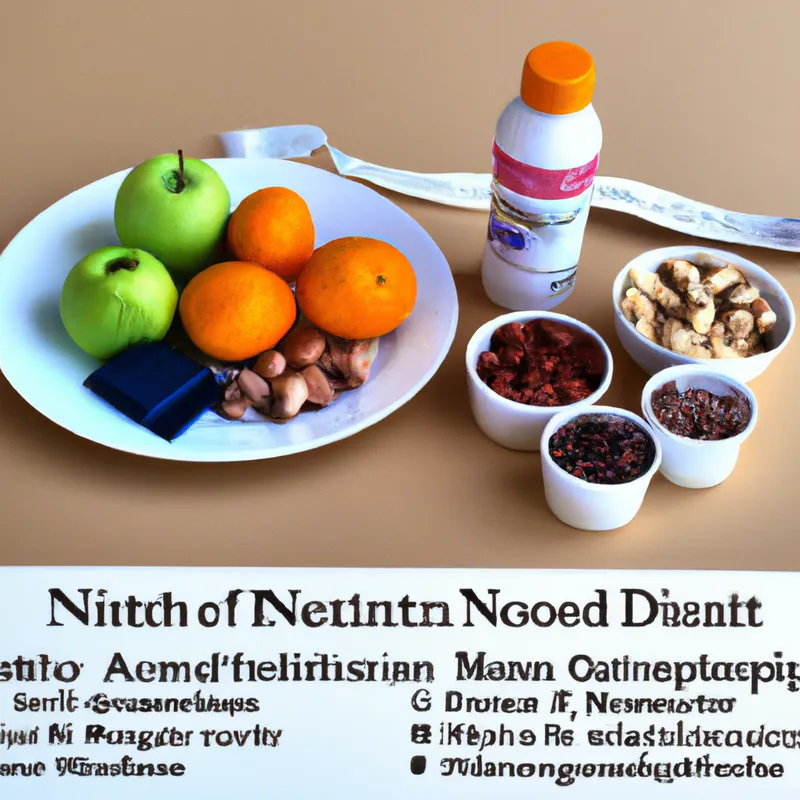
Elevate Energy: A Runner’s Balanced Plate
How to Create a Balanced Diet for Competitive Runners
Competitive running requires more than physical training. Proper nutrition fuels your body and enhances your performance. A balanced diet provides energy for longer runs and faster recovery. This guide helps you create a diet tailored to your needs.
Understand Your Nutritional Needs
Every runner has unique nutritional requirements. Age, sex, weight, and training intensity significantly impact these needs. Runners generally require higher carbohydrates, proteins, and healthy fats. Carbs deliver quick energy. Proteins aid muscle repair. Healthy fats support overall health.
Calculate Your Caloric Intake
Calculate your daily caloric needs to maintain energy levels. Follow these steps:
1. Determine your Basal Metabolic Rate (BMR).
2. Multiply your BMR by your activity level.
3. Adjust based on your training intensity.
For example, highly active runners may need 3,000 calories daily. Use this number as a baseline, adjusting for weight goals.
Focus on Macronutrients
Your diet should include macronutrients in proper proportions. Aim for this distribution:
– **Carbohydrates**: 55-65% of total calories
– **Proteins**: 15-20% of total calories
– **Fats**: 20-30% of total calories
Carbohydrates provide essential energy. Include whole grains, fruits, and vegetables. Proteins repair muscles after workouts. Choose lean meats, legumes, and dairy. Healthy fats, like nuts and avocados, promote overall health.
Plan Balanced Meals
Creating balanced meals optimizes performance. Each meal should combine macronutrients. Here are planning tips:
– **Breakfast**: Start with oats topped with fruit and nuts for sustained energy.
– **Lunch**: Enjoy a quinoa salad with vegetables and grilled chicken for balanced carbs and protein.
– **Dinner**: Try baked salmon with sweet potatoes and steamed broccoli for healthy fats and complex carbs.
– **Snacks**: Choose energy bars, yogurt, or fruit to fuel your body between meals.
Pre-Workout Nutrition
Fuel up before a run. Eat a carbohydrate-rich snack 30-60 minutes prior. A banana or toast with peanut butter works well. This snack provides quick energy without weighing you down.
Post-Workout Recovery
Focus on recovery after running. Eat a meal combining carbs and protein within 30 minutes. This helps replenish glycogen stores and repair muscles. A smoothie with protein powder and fruit is an excellent choice. A turkey sandwich on whole-grain bread also works.
Stay Hydrated
Hydration plays a critical role in performance. Dehydration causes fatigue, cramps, and decreased performance. Drink water throughout the day, especially before and after runs. During long runs, use sports drinks to replenish lost electrolytes. Monitor your urine color to gauge hydration. Aim for light yellow to indicate proper hydration.
Supplements and Vitamins
While a balanced diet provides most nutrients, some runners may need supplements. Consult a healthcare professional before taking any. Common options include:
– **Multivitamins**: Fill nutrient gaps.
– **Omega-3 Fatty Acids**: Support heart health and reduce inflammation.
– **Vitamin D**: Essential for bone health, especially in low-sunlight areas.
Benefits of a Balanced Diet
A well-rounded diet offers numerous benefits for competitive runners:
1. **Improved Performance**: Proper nutrition enhances endurance and speed.
2. **Faster Recovery**: A balanced diet reduces muscle soreness and accelerates healing.
3. **Increased Energy Levels**: The right nutrients maintain high energy levels.
4. **Better Immune Function**: A nutrient-rich diet strengthens your immune system.
Incorporate these dietary tips into your routine for better performance and health. Remember, nutrition is as important as training. Listen to your body and adjust your diet based on how you feel.
Conclusion
Creating a balanced diet for competitive runners involves understanding your nutritional needs and planning meals. Focus on macronutrient distribution, meal timing, and hydration. Monitor your body’s response and make necessary adjustments. Prioritizing nutrition sets you up for success on the track and in life. Embrace these dietary strategies and watch your performance soar.
Below are related products based on this post:
FAQ
What are the key macronutrients competitive runners should focus on in their diet?
Competitive runners should focus on carbohydrates, proteins, and healthy fats. Carbohydrates should make up 55-65% of total calories for quick energy, proteins should account for 15-20% to aid muscle repair, and healthy fats should comprise 20-30% to support overall health.
How important is hydration for competitive runners?
Hydration is critical for performance as dehydration can lead to fatigue, cramps, and decreased performance. Runners should drink water throughout the day and especially before and after runs. During long runs, sports drinks can help replenish lost electrolytes.
What should I eat before and after a workout to optimize performance?
Before a workout, it is recommended to eat a carbohydrate-rich snack 30-60 minutes prior, such as a banana or toast with peanut butter. After a workout, focus on consuming a meal that combines carbs and protein within 30 minutes, like a smoothie with protein powder and fruit or a turkey sandwich on whole-grain bread, to aid recovery.














Post Comment