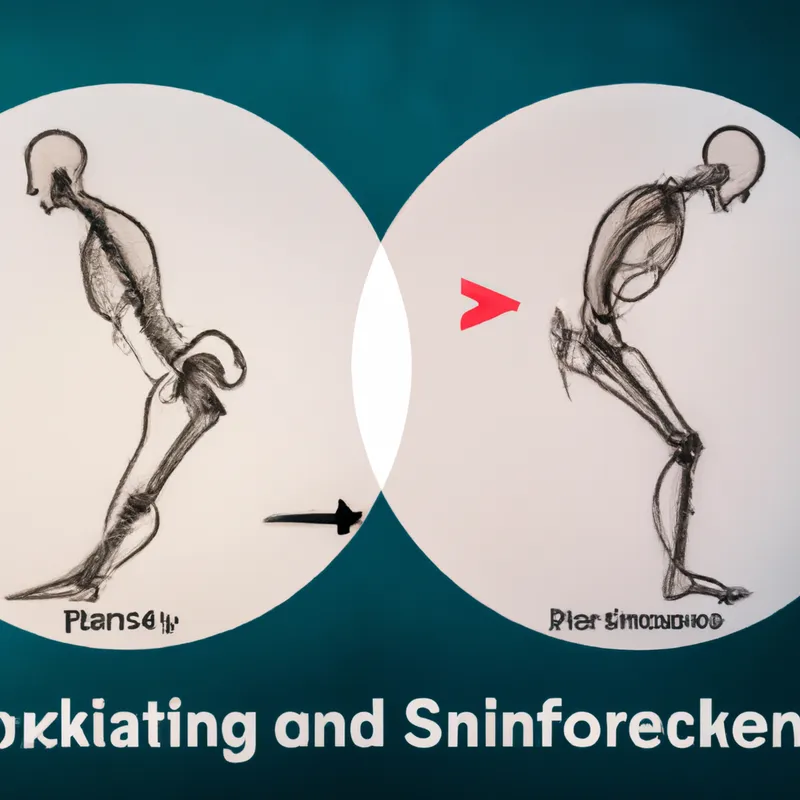
Boost Your Flexibility for Safer Skiing
The Role of Flexibility in Preventing Ski and Snowboard Injuries
Skiing and snowboarding excite millions every winter. However, these thrilling sports come with injury risks. Falls, collisions, and tough terrain can cause strains and sprains without proper precautions. Flexibility training effectively reduces these risks. This blog post highlights flexibility’s importance, offers practical tips to improve it, and discusses its benefits on the slopes.
Why Flexibility Matters
Flexibility significantly impacts skiing and snowboarding. Flexible muscles and joints respond better to sudden movements and challenges. This adaptability helps you maintain control and balance on difficult terrain.
Flexible muscles also absorb shocks efficiently. Skiing and snowboarding involve abrupt stops, sharp turns, and jumps that stress your body. Flexible muscles absorb shocks and facilitate smoother transitions, lowering injury chances.
Additionally, flexibility improves your overall range of motion. Free-moving joints allow better execution of turns, jumps, and tricks. An increased range of motion helps you react swiftly to unexpected situations, such as avoiding obstacles or adjusting your stance during falls. Consequently, flexibility reduces injuries from awkward movements caused by stiffness.
Tips for Improving Flexibility
Improving flexibility demands consistent effort. Here are practical tips to enhance flexibility for skiing and snowboarding:
1. Stretch Regularly
Integrate stretching into your daily routine. Target major muscle groups used in skiing and snowboarding, including hamstrings, quadriceps, hip flexors, calves, and back muscles. Hold each stretch for 15-30 seconds and repeat several times. Aim for stretching three to four times weekly, especially before skiing.
**Key Stretches:**
– **Hamstring Stretch**: Sit with one leg extended and the other bent. Reach toward your toes on the extended leg.
– **Quadriceps Stretch**: Stand on one leg and pull the other foot toward your glutes, keeping knees together.
– **Hip Flexor Stretch**: Step forward into a lunge position, keeping your back leg straight and pushing your hips forward.
2. Use Dynamic Stretching
Dynamic stretching effectively warms up muscles and improves flexibility. Unlike static stretching, dynamic stretching involves controlled movements that prepare muscles for action. Before skiing or snowboarding, perform dynamic stretches like leg swings, arm circles, and torso twists. These movements increase blood flow and enhance flexibility.
Conclusion
Flexibility enhances performance and reduces injury risks in skiing and snowboarding. Prioritize flexibility training for a safer, more enjoyable experience on the slopes.
Below are related products based on this post:
FAQ
Why is flexibility important for skiing and snowboarding?
Flexibility is crucial for skiing and snowboarding as it allows muscles and joints to respond better to sudden movements and challenges. Flexible muscles help maintain control and balance on difficult terrain, absorb shocks from abrupt stops and turns, and improve overall range of motion, reducing the risk of injuries from awkward movements.
What are some effective stretches to improve flexibility for these sports?
To enhance flexibility for skiing and snowboarding, target major muscle groups with stretches such as the hamstring stretch, quadriceps stretch, and hip flexor stretch. It’s recommended to hold each stretch for 15-30 seconds and repeat several times, ideally three to four times weekly, especially before hitting the slopes.
How can dynamic stretching benefit my skiing or snowboarding experience?
Dynamic stretching benefits skiing and snowboarding by warming up muscles and improving flexibility through controlled movements. Unlike static stretching, dynamic stretches, such as leg swings and torso twists, increase blood flow and prepare your muscles for action, enhancing performance and reducing injury risk.














Post Comment