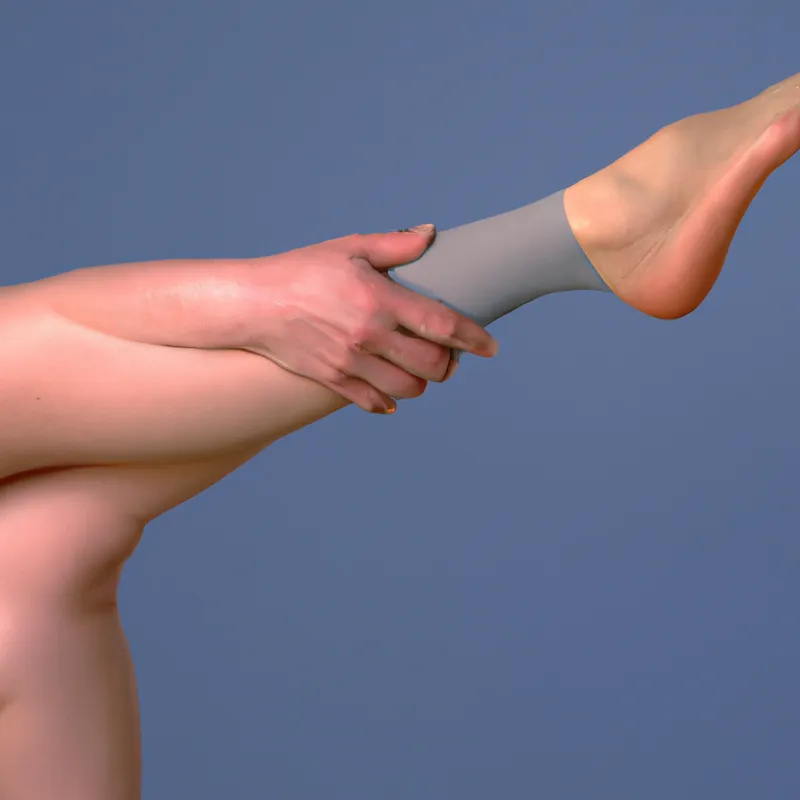
Unlocking Calf Mobility for Shin Splint Prevention
The Role of Calf Mobility in Preventing Shin Splints
Shin splints, or medial tibial stress syndrome, often affect runners, dancers, and many athletes. Pain along the shinbone can sideline individuals from their favorite activities. Calf mobility plays a crucial role in preventing shin splints. Improving calf flexibility and strength reduces the risk of this painful condition. This blog post shares tips to enhance calf mobility and highlights its benefits.
Understanding Shin Splints
Understanding shin splints is essential before exploring calf mobility. This condition arises from repetitive stress on the shinbone and surrounding tissues. Factors like overuse, improper footwear, and inadequate warm-ups often contribute. Tight calf muscles increase susceptibility to shin splints. When calves are tight, they pull on muscles and tendons attached to the shins, causing pain.
The Importance of Calf Mobility
Calf mobility is vital for effective running mechanics and overall leg function. The gastrocnemius and soleus muscles play critical roles in running, walking, and jumping. Flexible calves absorb impact better and provide propulsion for movement. Limited motion leads to compensatory patterns, stressing the shins and increasing injury risk. Improving calf mobility maintains proper form and enhances performance.
Tips to Improve Calf Mobility
1. **Stretch Daily**
Incorporate calf stretches into your routine to improve flexibility. Stand facing a wall, place your hands on it, and step back with one foot. Keep your heel on the ground and lean forward. Hold for 20–30 seconds, then switch sides. Stretch both the gastrocnemius (straight leg) and soleus (bent leg) muscles.
2. **Foam Rolling**
Foam rolling alleviates tightness in the calves effectively. Sit on the floor and place a foam roller under your calf. Use body weight to roll back and forth slowly, focusing on tight spots. Spend a few minutes on each calf to release tension and improve mobility.
3. **Strengthen Your Calves**
Strengthening exercises prevent injuries. Try calf raises to build muscle strength and endurance. Stand on the edge of a step with your heels hanging off. Lower your heels below the step, then rise onto your toes. Repeat for 10-15 repetitions.
Conclusion
Improving calf mobility effectively prevents shin splints. Incorporate stretching, foam rolling, and strengthening exercises into your routine for optimal results.
Below are related products based on this post:
FAQ
What are shin splints and who is most affected by them?
Shin splints, or medial tibial stress syndrome, are commonly experienced by runners, dancers, and various athletes. This condition causes pain along the shinbone, often sidelining individuals from their preferred activities due to repetitive stress and factors like overuse and improper footwear.
How does calf mobility contribute to preventing shin splints?
Calf mobility is essential for maintaining effective running mechanics and overall leg function. Tight calf muscles can increase the risk of shin splints by pulling on the muscles and tendons attached to the shins. Improving calf flexibility and strength helps absorb impact better and reduces the likelihood of injury.
What are some effective ways to improve calf mobility?
To improve calf mobility, consider incorporating daily stretching, foam rolling, and strengthening exercises into your routine. Calf stretches, foam rolling to alleviate tightness, and strengthening exercises like calf raises can help enhance flexibility and muscle endurance, ultimately preventing shin splints.













Post Comment