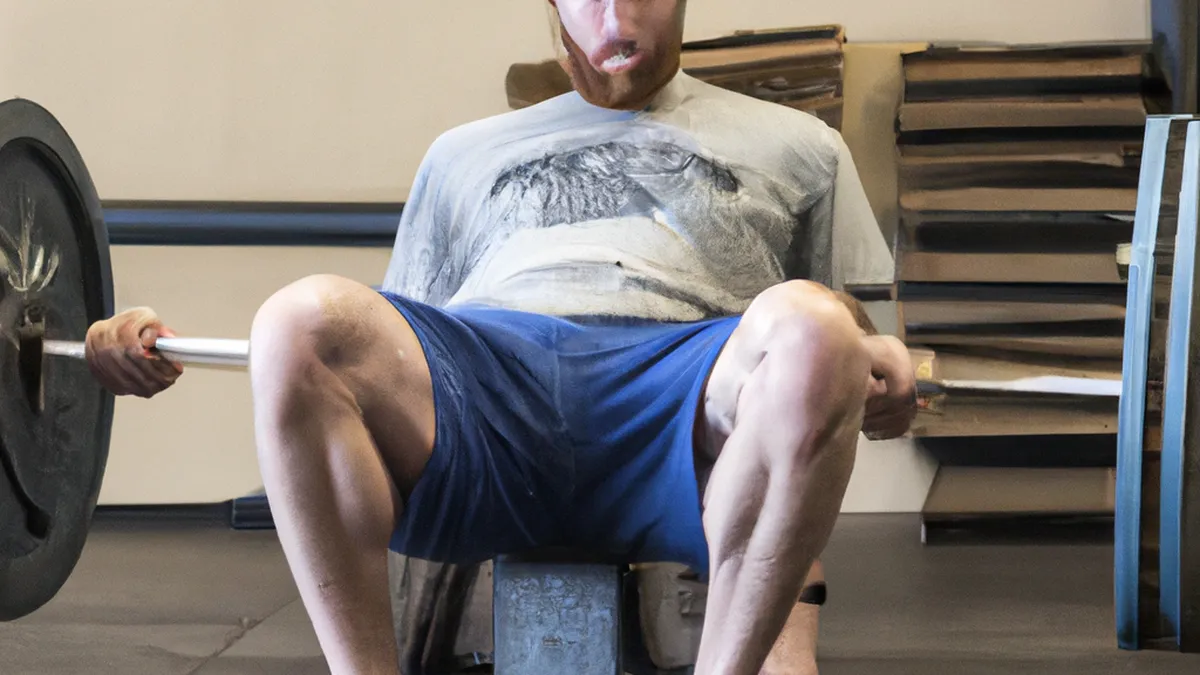
Timely Fuel: What to Eat After Lifting
Post-Lift Nutrition Timing: Fueling Recovery and GrowthPost-lift nutrition timing plays a crucial role in your fitness journey. After a workout, your body needs specific nutrients for effective recovery and muscle growth. This guide explains why nutrition timing matters, highlights key nutrients, and offers strategies to optimize your post-workout nutrition. Following these guidelines enhances recovery and supports your long-term fitness goals.
Why Timing Matters
After lifting weights, your body enters a vital recovery phase. Muscles repair and regenerate during this time, essential for building strength and size. Provide your body with the right nutrients promptly to avoid hindering recovery and missing gains. Research shows that consuming nutrients within the “anabolic window” enhances muscle recovery and growth.The anabolic window typically spans 30 to 60 minutes post-exercise. During this period, your muscles become especially receptive to nutrients. Replenish what you’ve depleted during your workout. Neglecting nutrition during this time may lead to prolonged soreness, increased fatigue, and suboptimal muscle growth.
Key Nutrients to Focus On
As an Amazon Associate I earn from qualifying purchases.
Gear tip: consider wrist wraps, liquid chalk, and resistance bands set to support this topic.
When planning post-lift nutrition, focus on two key macronutrients: protein and carbohydrates.
Protein: The Building Block
Protein is vital for muscle repair and growth. Weightlifting causes micro-tears in your muscles. Consuming protein helps rebuild these fibers, strengthening them over time. Aim for 20-30 grams of high-quality protein in your post-lift meal. Good protein sources include:- **Animal-based:** Chicken, turkey, fish, eggs, Greek yogurt.- **Plant-based:** Lentils, chickpeas, quinoa, tofu, tempeh.Including various protein sources ensures you obtain essential amino acids and keeps meals interesting.
Carbohydrates: The Energy Source
Carbohydrates also play an important recovery role. Intense workouts deplete glycogen stores, leading to fatigue and decreased performance. Consuming carbohydrates post-lift replenishes these stores, providing energy for your next session.Aim for a carbohydrate intake with a 3:1 or 4:1 ratio of carbohydrates to protein. This balance maximizes recovery and supports muscle growth. Good complex carbohydrate sources include:- Brown rice- Quinoa- Sweet potatoes- Whole grain bread and pasta- Fruits such as bananas, berries, and apples
Fats: Moderation is Key
While protein and carbohydrates take precedence, include healthy fats in moderation.
Conclusion
In summary, prioritize nutrition timing post-lift. Focus on protein and carbohydrates for optimal recovery and muscle growth. Implement these strategies for better performance.
Below are related products based on this post:
FAQ
Why is post-lift nutrition timing important?
Post-lift nutrition timing is crucial because it supports effective recovery and muscle growth. After a workout, your body requires specific nutrients to repair and regenerate muscles, which is essential for building strength and size. Consuming nutrients within the anabolic window, typically 30 to 60 minutes post-exercise, enhances these processes.
What are the key nutrients to focus on after lifting weights?
The key nutrients to focus on after lifting weights are protein and carbohydrates. Protein is vital for muscle repair, while carbohydrates help replenish glycogen stores depleted during intense workouts. Aiming for a carbohydrate-to-protein ratio of 3:1 or 4:1 optimizes recovery and supports muscle growth.
How much protein should I consume after a workout?
Aim for 20-30 grams of high-quality protein in your post-lift meal. Good sources of protein include animal-based options like chicken and fish, as well as plant-based sources like lentils and tofu. Ensuring a variety of protein sources helps you obtain essential amino acids and keeps your meals interesting.













Post Comment