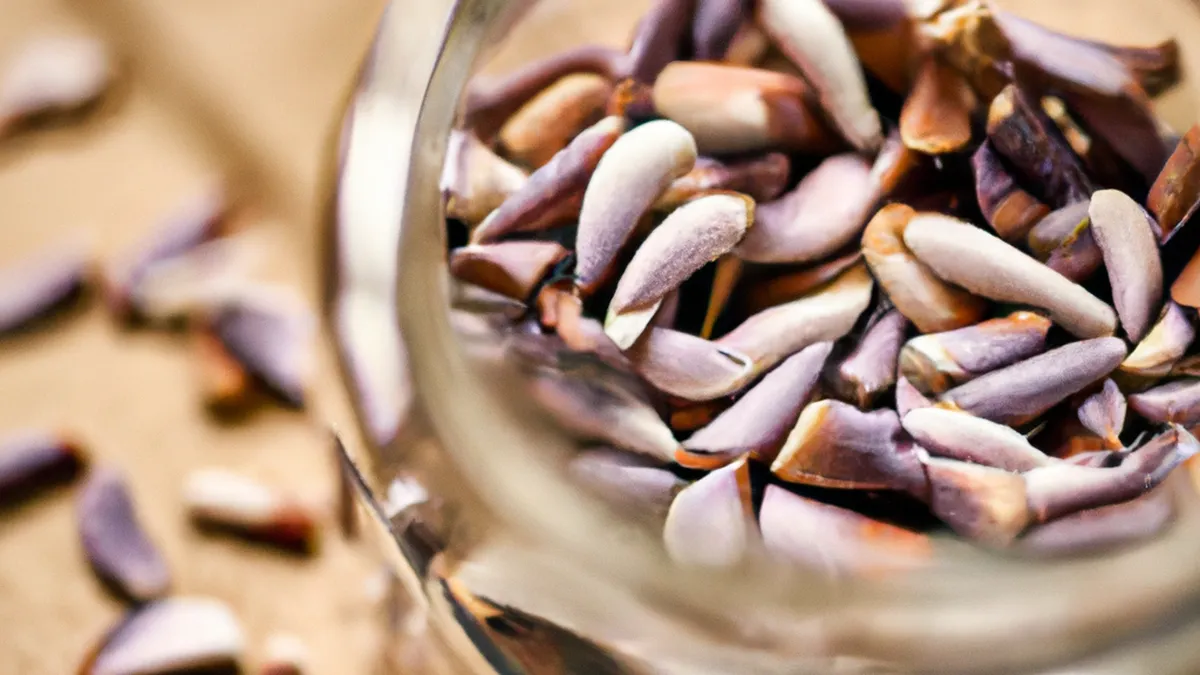
The Ultimate Guide to Prebiotics
Prebiotics: Foods That Fuel MicrobiotaGut microbiota plays a crucial role in your overall health. It consists of trillions of microorganisms that digest food, produce vitamins, and boost your immune system. To maintain a healthy microbiome, you must fuel it properly. Prebiotics help with this. Prebiotics are fibers that feed beneficial gut bacteria. This post explores prebiotics, top prebiotic-rich foods, and their benefits.
What Are Prebiotics?
Prebiotics are non-digestible fibers that stimulate beneficial bacteria growth in your gut. Unlike probiotics, prebiotics serve as food for these microorganisms. They improve gut health by promoting beneficial bacteria like Bifidobacteria and Lactobacillus.Common prebiotics include inulin, fructooligosaccharides (FOS), and galactooligosaccharides (GOS). You can find these in various foods, which we will discuss later.
Top Prebiotic Foods to Include in Your Diet
As an Amazon Associate I earn from qualifying purchases.
Gear tip: consider compact home gym set, standing desk balance board, and desk cycle to support this topic.
Including prebiotic-rich foods in your meals enhances gut health. Here are some excellent options:
1. Garlic
Garlic adds flavor and contains high amounts of inulin. This prebiotic fiber promotes beneficial gut bacteria growth. Garlic also has anti-inflammatory properties that boost your immune system.
2. Onions
Onions provide inulin and FOS. They improve gut health while adding flavor to dishes. Enjoy them raw in salads or cooked in recipes.
3. Bananas
Bananas offer a convenient snack and a great source of GOS. They promote gut bacteria growth. Bananas also provide potassium, essential for heart health.
4. Asparagus
Asparagus, a spring vegetable, contains prebiotic fibers. It has inulin that increases beneficial bacteria in your gut. Roast or grill asparagus for a tasty side dish.
5. Chicory Root
Chicory root serves as one of the richest inulin sources. It often acts as a coffee substitute. Adding chicory root boosts your prebiotic intake.Incorporate these foods into your diet to nourish your gut bacteria.
Tips for Incorporating Prebiotics into Your Meals
Incorporating prebiotic foods into your daily routine can be simple and delicious. Here are some tips:- **Start Slowly**: Introduce prebiotics gradually. This helps your gut adapt without discomfort.- **Mix It Up**: Consume various prebiotic foods. Different fibers feed different bacteria, promoting a diverse microbiome.- **Cook Smart**: Some prebiotic foods lose benefits when overcooked. Lightly steam or sauté vegetables to preserve fiber content.- **Snack Wisely**: Snack on prebiotic-rich foods. Enjoy raw onions in salads or have a banana as a quick snack.Following these tips lets you easily integrate prebiotics into your diet.
Benefits of Prebiotics
The benefits of consuming prebiotics extend beyond gut health. Here are some advantages:
Improved Digestive Health
Prebiotics regulate bowel movements and reduce constipation risk. They support beneficial bacteria growth that breaks down food efficiently.
Enhanced Immune Function
A healthy gut microbiome improves your immune system. Prebiotics produce short-chain fatty acids, regulating immune responses.
Better Nutrient Absorption
Prebiotics enhance essential nutrient absorption. They improve the bioavailability of minerals like calcium and magnesium, contributing to overall health.
Weight Management
Some studies suggest prebiotics aid in weight management. They may help you feel fuller longer, reducing overall calorie intake.
Mood Regulation
Research indicates that gut health influences mental health. A balanced microbiome may improve mood and reduce anxiety.
Conclusion
Incorporating prebiotic foods into your diet significantly impacts your gut health and overall well-being. Foods like garlic, onions, bananas, asparagus, and chicory root provide essential nutrients for beneficial bacteria. Follow simple tips to include these foods in your meals and enjoy the numerous benefits of prebiotics. A healthy gut leads to a healthier you. Start adding prebiotic-rich foods to your diet today to fuel your microbiota!
Below are related products based on this post:
FAQ
What are prebiotics?
Prebiotics are non-digestible fibers that stimulate the growth of beneficial bacteria in your gut. Unlike probiotics, which are live microorganisms, prebiotics serve as food for these beneficial bacteria, improving gut health and promoting strains like Bifidobacteria and Lactobacillus.
What are some top prebiotic foods?
Top prebiotic foods include garlic, onions, bananas, asparagus, and chicory root. These foods are rich in various prebiotic fibers that support the growth of beneficial gut bacteria while also providing additional health benefits.
What are the benefits of consuming prebiotics?
Consuming prebiotics offers several benefits, including improved digestive health, enhanced immune function, better nutrient absorption, weight management, and mood regulation. A healthy gut microbiome contributes to overall well-being and may help reduce anxiety and improve mood.














Post Comment