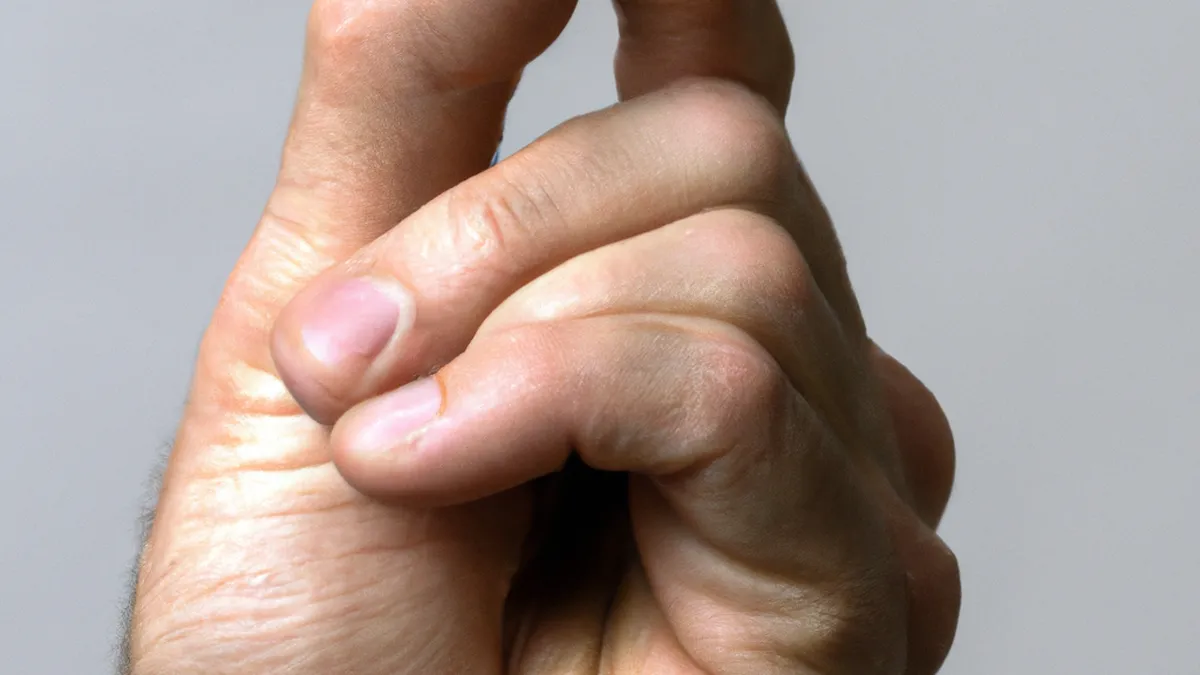
Support Your Recovery with Finger Strength Strategies
Strategies for Maintaining Finger Strength During Injury
Injuries frustrate you, especially when they disrupt daily activities. Athletes, musicians, and manual laborers commonly experience finger injuries. These injuries include sprains, strains, and fractures, limiting movement and strength. However, you can maintain finger strength during recovery with the right strategies. This blog post highlights effective methods to keep your fingers strong while healing.
Understanding Finger Injuries
Finger injuries can happen during sports, music practice, or manual tasks. Common injuries include sprains, strains, tendonitis, and fractures. The severity varies, often requiring time to heal. During this time, engage your fingers safely to prevent stiffness and muscle atrophy.
Injuries can cause pain, swelling, and limited mobility. However, with proper care, you can maintain strength and functionality in your fingers during healing. Consider these strategies:
Focus on Mobility
Focus on mobility as a primary strategy. Gentle movement promotes blood flow, nourishing healing tissues. Incorporate these effective mobility exercises:
1. **Finger Flexion and Extension**: Bend and straighten each finger gently. Repeat for several sets, gradually increasing the range of motion as comfort allows.
2. **Finger Abduction and Adduction**: Spread your fingers apart and bring them back together. This movement promotes flexibility and coordination, maintaining strength in intrinsic hand muscles.
3. **Wrist Rotations**: Rotate your wrist in circular motions. First, go clockwise, then counterclockwise. This exercise maintains hand functionality and alleviates tension in the wrist and fingers.
Start these exercises slowly and listen to your body. Stop and consult your healthcare provider if you experience pain.
Use Resistance Bands
Incorporate resistance bands into your rehabilitation routine for effective finger strength maintenance. Resistance bands strengthen your fingers with low impact, minimizing re-injury risk. Use resistance bands effectively with these exercises:
1. **Finger Extensions**: Place a resistance band around your fingers and spread them apart. Hold for a few seconds, then relax. This exercise targets your finger extensors.
2. **Finger Curls**: Wrap the band around your fingers and curl them inward against resistance. This exercise builds strength in your finger flexors, crucial for grip strength.
3. **Wrist Curls**: Hold the band in one hand while resting your arm on a flat surface.
Conclusion
In summary, implement mobility exercises and resistance bands to maintain finger strength during recovery. Prioritize safe practices to ensure effective healing.
Below are related products based on this post:
FAQ
What types of finger injuries are commonly experienced?
Common finger injuries include sprains, strains, tendonitis, and fractures. These injuries often occur during sports, music practice, or manual tasks and can vary in severity, affecting movement and strength.
How can I maintain finger strength while recovering from an injury?
To maintain finger strength during recovery, focus on mobility exercises such as finger flexion and extension, finger abduction and adduction, and wrist rotations. Additionally, incorporate resistance bands for exercises like finger extensions and curls to effectively strengthen your fingers while minimizing the risk of re-injury.
When should I consult a healthcare provider during my recovery?
If you experience pain while performing mobility exercises or any rehabilitation activities, it’s important to stop and consult your healthcare provider. They can provide guidance on safe practices and modifications to your recovery routine.













Post Comment