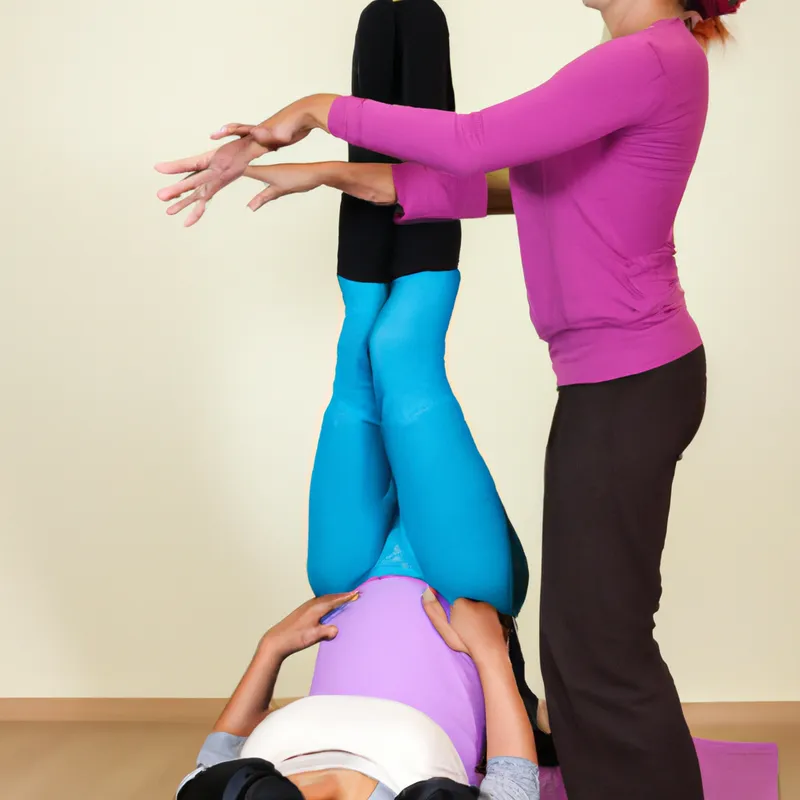
Strengthen Your Labor with Focused Breathing Methods
Effective Breathing Techniques for Labor and Delivery
Labor and delivery can evoke excitement, anxiety, and anticipation. Expectant mothers often feel nervous or overwhelmed before this significant life event. Effective breathing techniques can ease discomfort and promote relaxation during labor. This blog explores various breathing methods, practice tips, and benefits, empowering mothers-to-be with tools for a better birthing experience.
Understanding the Importance of Breathing
Breathing plays a crucial role in labor. It helps manage pain, maintain focus, and enhance the overall birthing experience. As contractions begin, intentional breathing provides comfort and a sense of control.
The Role of Breath in Pain Management
Pain during labor can feel daunting. However, effective breathing techniques can alleviate discomfort. Deep, controlled breaths signal relaxation, reducing tension and stress. This response allows mothers to cope better with pain. Breathing becomes a powerful tool in managing labor pains.
When the body relaxes, it produces less adrenaline, which can heighten pain sensations. Focused breathing promotes endorphin release, natural pain relievers that help ease contraction discomfort.
Breathing Techniques to Try
Several breathing techniques can benefit mothers during labor. Each method offers unique applications and advantages. Here are a few effective techniques to consider:
1. Deep Breathing
Deep breathing is foundational and often the first technique taught. This method involves inhaling deeply through the nose and exhaling slowly through the mouth. It calms both the mind and body.
**How to Practice:**
– Find a comfortable position, either sitting or lying down.
– Inhale deeply through your nose for a count of four, filling your lungs completely.
– Hold your breath for a moment to allow oxygen to circulate.
– Exhale slowly through your mouth for a count of six, releasing tension with each breath.
Repeat this cycle several times. Focus on your breath’s rhythm, visualizing each inhale bringing calmness and each exhale releasing stress.
2. Patterned Breathing
Patterned breathing is especially useful during contractions. This method helps maintain focus and distracts from labor intensity.
**How to Practice:**
– Inhale deeply through your nose.
– Exhale in a series of short, quick breaths. Mentally count one-two-three-four as you exhale.
– After several quick exhales, take another deep breath and repeat.
This technique distracts from pain and helps regulate breathing during intense moments, making the experience feel more manageable.
3. Visualization Breathing
Visualization breathing combines imagination with breath control, creating a calming mental space. This technique significantly enhances relaxation.
Conclusion
Effective breathing techniques can empower mothers during labor. Practicing these methods can ease discomfort and promote relaxation, enhancing the overall birthing experience.
Below are related products based on this post:
FAQ
What are the benefits of using breathing techniques during labor?
Breathing techniques play a crucial role in managing pain, maintaining focus, and enhancing the overall birthing experience. They help alleviate discomfort by promoting relaxation, reducing tension, and encouraging the release of endorphins, which are natural pain relievers.
How can I practice deep breathing effectively before labor?
To practice deep breathing, find a comfortable position, inhale deeply through your nose for a count of four, hold your breath for a moment, and then exhale slowly through your mouth for a count of six. Repeat this cycle several times while focusing on the rhythm of your breath, visualizing calmness with each inhale and releasing stress with each exhale.
What is patterned breathing and how is it different from deep breathing?
Patterned breathing is a technique that involves inhaling deeply through the nose and exhaling in a series of short, quick breaths, often counted as one-two-three-four. This method is particularly useful during contractions as it helps maintain focus and distract from the intensity of labor, whereas deep breathing is more about calming the mind and body through slow, controlled breaths.














Post Comment