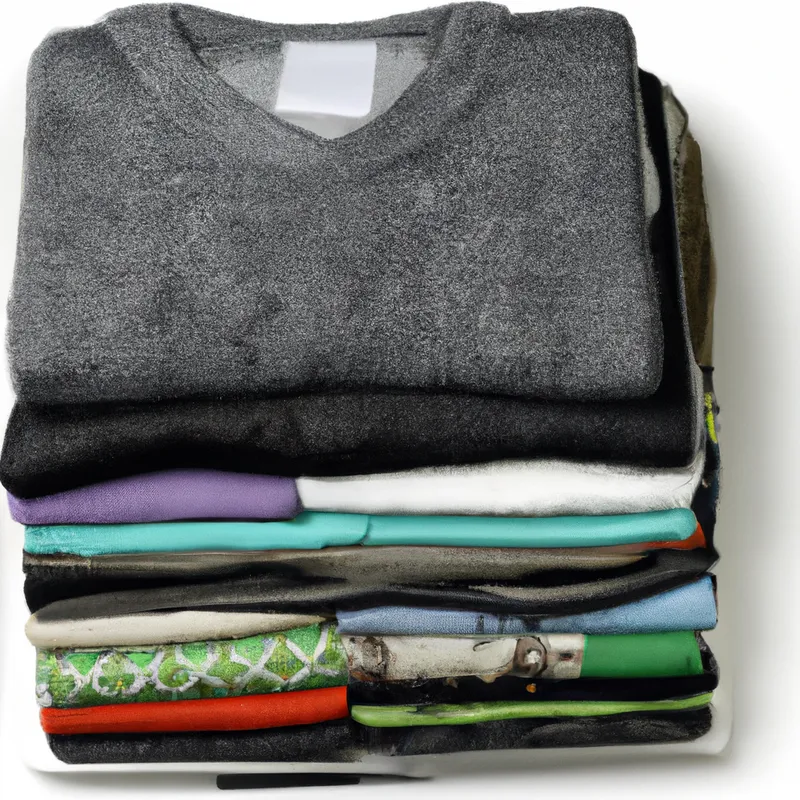
Embrace Eco-Friendly Choices for Winter Wear
How to Shop Sustainably for Winter Apparel
As winter approaches, many people seek warm clothing to stay cozy. The fashion industry significantly impacts our planet through pollution, waste, and unethical labor. Choosing sustainable winter apparel reduces this impact while allowing you to express your style. This blog post offers practical tips and insights for shopping sustainably.
Understanding Sustainable Fashion
Sustainable fashion encompasses clothing designed and produced in an environmentally friendly way. It emphasizes ethical practices, fair labor, and waste reduction across the supply chain. You can make informed choices by understanding these principles when shopping for winter apparel.
Look for Eco-Friendly Materials
The materials used in winter clothing greatly influence their sustainability. Choose fabrics like organic cotton, Tencel, or recycled polyester. These materials typically have a lower carbon footprint and conserve water during production.
Consider natural materials like wool or hemp, which are biodegradable and often produced with less environmental impact. Seek brands that use natural dyes, as they reduce water pollution. Understanding your winter apparel’s material composition helps you make sustainable choices.
Research Brands
Research brands before making a purchase. Check their commitment to sustainability and ethical practices. Many brands share detailed supply chain information on their websites. Look for certifications like Fair Trade or GOTS, which confirm adherence to environmental and labor standards.
Follow brands that support social causes or engage in community initiatives. Supporting these brands promotes sustainable fashion and positive social change.
Choose Quality Over Quantity
Fast fashion encourages cheap, trendy purchases that quickly fall apart. This cycle creates a throwaway culture, depletes resources, and generates waste. Instead, invest in high-quality winter apparel designed to last. Quality items often feature better materials and craftsmanship, enhancing durability.
While high-quality clothing may cost more upfront, it saves money in the long run. Fewer purchases lead to lower overall spending, and investing in timeless pieces creates a versatile wardrobe.
Buy Second-Hand
Shopping second-hand significantly reduces your environmental impact while adding unique pieces to your wardrobe. Thrift stores, consignment shops, and online resale platforms like Poshmark or Depop offer a diverse range of winter clothing.
Conclusion
In summary, shopping sustainably for winter apparel benefits both you and the planet. Consider eco-friendly materials, research brands, prioritize quality, and explore second-hand options.
Below are related products based on this post:
FAQ
What are some eco-friendly materials to look for when shopping for winter apparel?
When shopping for winter apparel, consider materials like organic cotton, Tencel, or recycled polyester, as they generally have a lower carbon footprint and conserve water during production. Additionally, natural materials such as wool or hemp are biodegradable and often produced with less environmental impact.
How can I research a brand’s commitment to sustainability?
You can research a brand’s commitment to sustainability by checking their website for supply chain information and certifications like Fair Trade or GOTS. Look for brands that share their ethical practices and support social causes, as these indicators often reflect a genuine commitment to sustainable fashion.
Why is it better to choose quality over quantity in winter apparel shopping?
Choosing quality over quantity helps combat the throwaway culture created by fast fashion. Investing in high-quality winter apparel means purchasing items designed to last, which enhances durability and saves money in the long run. Fewer high-quality purchases lead to lower overall spending and a more versatile wardrobe.














Post Comment