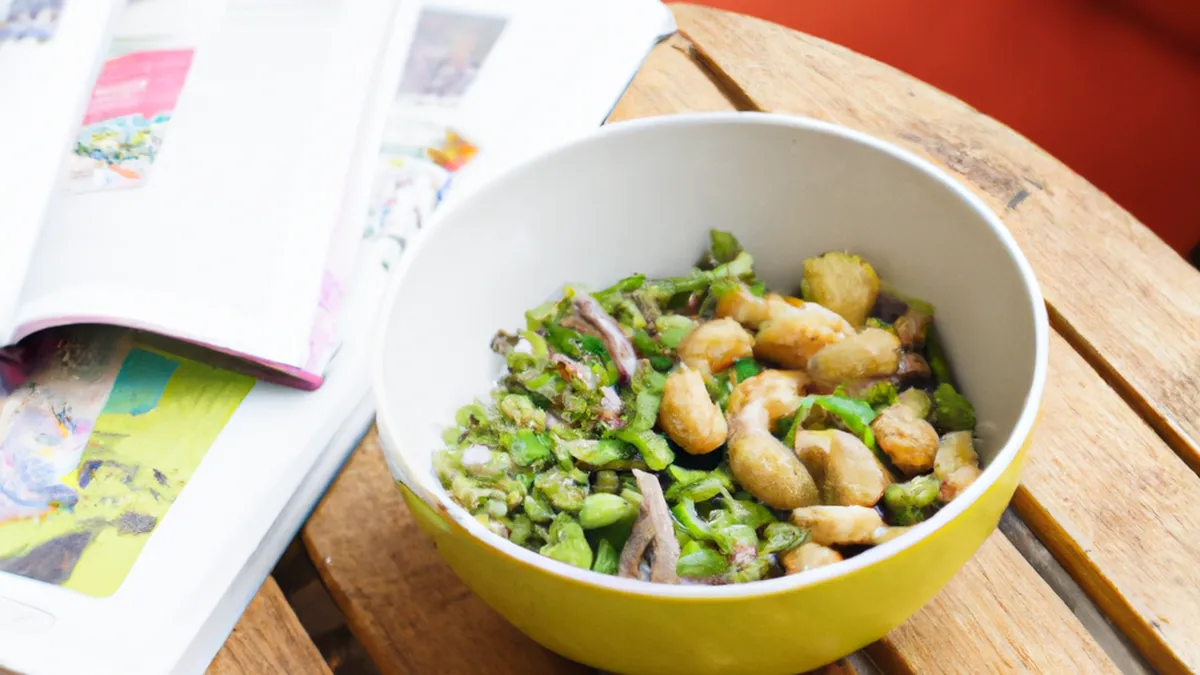
Snack Smart: Top Choices for Recovery
Post-Training Nutrition Essentials: Fueling Recovery for Optimal PerformanceAfter an intense workout, nourish your body. Proper post-training nutrition aids recovery, muscle repair, and performance. Knowing what to eat can enhance your fitness journey. This blog post explores essential tips for post-training nutrition, its benefits, and practical meal ideas for effective recovery.
Why Is Post-Training Nutrition Important?
Post-training nutrition fuels your body after exercise. Your muscles use glycogen, the stored form of carbohydrates, for energy during workouts. As you push your limits, glycogen stores deplete. To recover, your body needs replenishing. Exercise stresses your muscles, leading to microscopic tears. To repair these tears and build stronger muscles, consume protein. Eating the right nutrients post-workout speeds recovery, improves performance, and promotes muscle growth.
Key Nutrients for Recovery
As an Amazon Associate I earn from qualifying purchases.
Gear tip: consider compression socks, percussive massager, and electrolyte mix to support this topic.
Carbohydrates
Carbohydrates are vital for recovery. They provide energy for high-intensity workouts. After exercise, carbs help replenish glycogen stores. This is especially important for frequent trainers. Aim for complex carbohydrates, like whole grains, fruits, and vegetables. These options provide lasting energy and stabilize blood sugar levels. Consume carbohydrates within 30 to 60 minutes after your workout. A carbohydrate-to-protein ratio of about 3:1 enhances glycogen replenishment.
Protein
Protein is essential for muscle repair and growth. It rebuilds tiny tears from exercise, promoting recovery. Choose lean protein sources like chicken, fish, eggs, lentils, chickpeas, and quinoa. Consuming protein soon after your workout enhances muscle recovery. Aim for 10 to 20 grams of protein in your post-training meal or snack, depending on your body weight and training intensity.
Fats
Healthy fats support overall health and help with nutrient absorption and hormone production. Foods rich in omega-3 fatty acids, like avocados, nuts, seeds, and fatty fish, are excellent choices. Keep fat intake moderate immediately after workouts. High-fat foods can slow digestion and nutrient absorption.
Timing Your Post-Training Meal
Timing is crucial for post-training nutrition. Ideally, eat a balanced meal within two hours of finishing your workout. This timeframe allows your body to utilize nutrients effectively. If you can’t eat a full meal right away, consider a snack. A protein shake, a banana with peanut butter, or fruit and yogurt can aid recovery.
Hydration Matters
Don’t forget to hydrate after your workout. Drink water to replenish fluids lost during exercise.
Conclusion
Post-training nutrition plays a vital role in recovery and performance. Prioritize essential nutrients and timing for optimal results.
Below are related products based on this post:
FAQ
Why is post-training nutrition important?
Post-training nutrition is essential because it fuels the body after exercise, replenishing glycogen stores and aiding muscle recovery. During workouts, glycogen is depleted, and the body needs proper nutrients to repair microscopic tears in the muscles. Consuming the right nutrients helps speed recovery, improve performance, and promote muscle growth.
What key nutrients should I focus on after a workout?
After a workout, focus on carbohydrates, protein, and healthy fats. Carbohydrates help replenish glycogen stores, while protein is crucial for muscle repair and growth. Healthy fats support overall health and nutrient absorption. Aim for a balanced intake of these nutrients to optimize recovery.
When should I eat after exercising?
It is best to eat a balanced meal within two hours after finishing your workout to maximize nutrient utilization. If a full meal isn’t possible, a snack such as a protein shake or fruit with yogurt can be beneficial. Proper timing is crucial for effective recovery and performance enhancement.














Post Comment