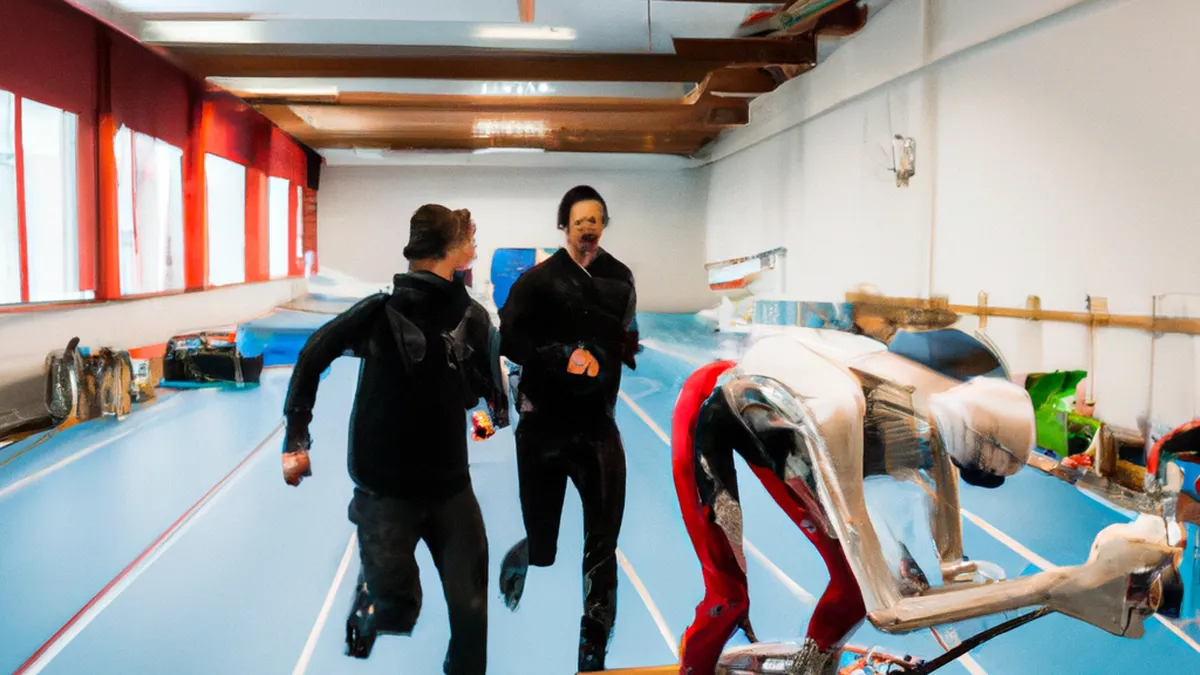
Skills You Gain from Competitive Sports
Transitioning Out of Competitive Sports: Navigating Change and Embracing New OpportunitiesTransitioning out of competitive sports can challenge athletes at any level. Many athletes struggle to leave behind a world that shaped their identity. However, this transition offers unique opportunities for personal growth and rediscovery. This blog post explores emotions involved, strategies for success, and new avenues to embrace.
Understanding Your Emotions
The transition away from competitive sports brings complex emotions. Many athletes feel sadness, loss, relief, and anxiety about the future. Grieving the end of this era is normal. Acknowledge and accept these emotions.Reflect on what competitive sports meant to you. Think about the relationships, lessons, and personal growth you experienced. Honor your past, but remember your identity includes more than being an athlete. Recognizing this broader identity can ease emotional turmoil.
Reflecting on Your Journey
Use reflection to understand your transition. Think about your athletic journey. Write about your experiences, challenges, and achievements. Examine the skills you developed, such as discipline, teamwork, and resilience. Consider how these skills apply to other life aspects. This exercise clarifies your thoughts and feelings, allowing you to appreciate your past while anticipating new opportunities.
Setting New Goals
As you transition, establish new goals aligned with your passions. Determine what you want to achieve in this chapter of your life. You might pursue a new career, focus on education, or explore hobbies. Setting meaningful goals gives you purpose and direction.Make your goals tangible by breaking them into smaller steps. If you want a career change, research fields, take courses, or seek informational interviews. This proactive approach helps you feel in control of your transition.
Seeking Support from Others
As an Amazon Associate I earn from qualifying purchases.
Gear tip: consider agility cones, speed ladder, and mini hurdles to support this topic.
Transitioning out of competitive sports can feel isolating, especially if your connections are primarily within sports. Reach out to your support network during this time. Share your thoughts and feelings with friends, family, or former teammates. They can offer valuable insights and encouragement.Consider seeking guidance from a coach or mentor who understands these unique challenges. They can provide perspective, share experiences, and assist in formulating a plan.
Conclusion
Transitioning out of competitive sports presents challenges and opportunities. Embrace your emotions, reflect on your journey, set new goals, and seek support. This pivotal life change can lead to personal growth and new adventures.
Below are related products based on this post:
FAQ
What emotions do athletes commonly experience when transitioning out of competitive sports?
Athletes often face complex emotions such as sadness, loss, relief, and anxiety about the future. It’s normal to grieve the end of their athletic careers and to acknowledge these feelings as part of the transition process.
How can reflection help during the transition from competitive sports?
Reflection allows athletes to understand their journey by examining their experiences, challenges, and achievements. By recognizing the skills they developed, such as discipline and teamwork, they can apply these attributes to new areas of their lives.
What steps should athletes take to set new goals after leaving competitive sports?
Athletes should establish new goals that align with their passions, whether pursuing a new career, focusing on education, or exploring hobbies. Breaking these goals into smaller, tangible steps can provide direction and a sense of control during the transition.














Post Comment