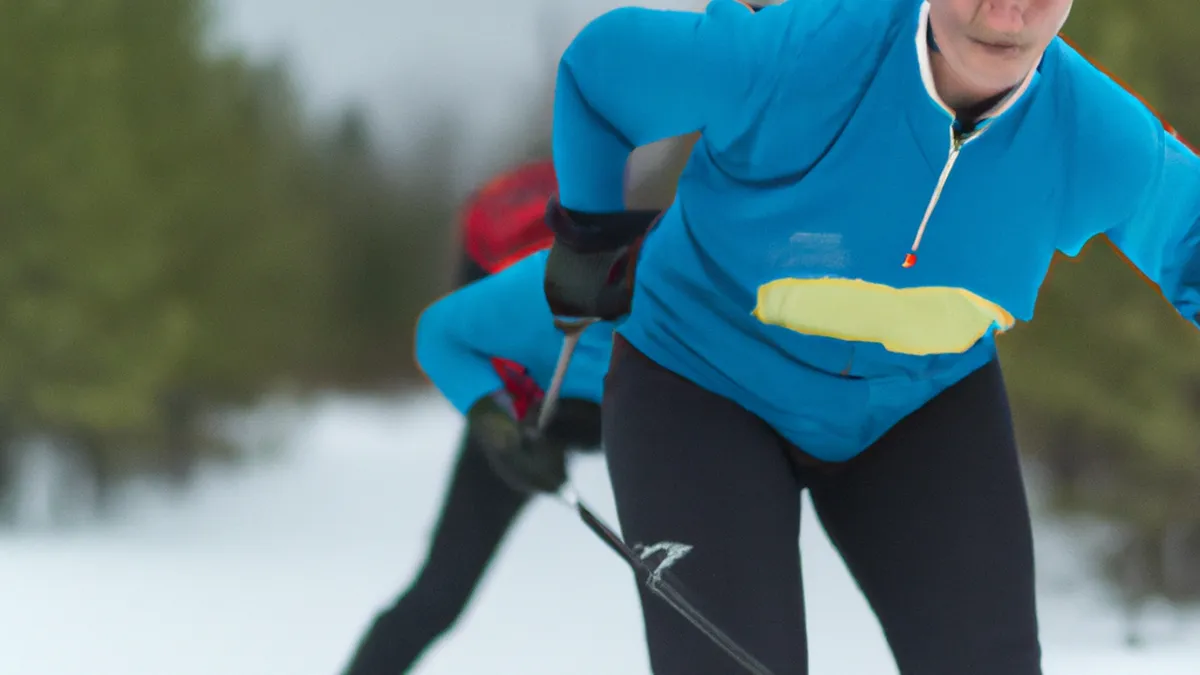
Skiing Smart: Adapting Techniques to Terrain
Mastering Form and Technique for Cross-Country Skiing on Different TerrainsCross-country skiing offers a unique way to explore winter landscapes while providing a full-body workout. Many enthusiasts cherish this blend of endurance and technique. Mastering form and technique enhances your skiing experience across various terrains. This post outlines different terrains and provides tips to improve your skills.
As an Amazon Associate I earn from qualifying purchases.
Gear tip: consider standing desk balance board, desk cycle, and ergonomic footrest to support this topic.
Understanding Different Terrains
Cross-country skiing features diverse terrains, each requiring specific techniques. Here’s a closer look at the primary terrains:
Flat Terrain
Flat terrain skiing may seem simple, but proper technique remains crucial. Focus on your glide to build speed and rhythm. Push off with your skis while balancing your weight over your feet.For optimal performance, use the classic stride technique. Shift your weight from one ski to the other as you glide. Let each ski carry your weight before transitioning. This technique conserves energy and maintains momentum. Actively swing your arms forward to propel yourself and create fluid movement.
Rolling Hills
Rolling hills introduce excitement and challenge to skiing. Adjust your technique based on the incline. Shorten your strides while ascending to avoid overexertion. Use the diagonal stride for effective uphill climbs.When descending, shift your weight back slightly for balance. Employ a snowplow technique or parallel turns to control your speed. Practicing these skills enhances confidence and enjoyment in skiing.
Steep Inclines
Steep inclines can intimidate many skiers, but the right techniques build confidence. Adopt a crouched position and lean forward slightly before approaching a steep hill. Use the herringbone technique for climbing steep hills. Spread your skis apart and push outward with your edges for traction. This method prevents slipping and provides grip as you ascend.
Downhill Skiing
Descending thrills many skiers but requires careful technique. Start with a snowplow stance to control your speed. Bend your knees and keep your weight centered over your skis for balance.As your confidence grows, try parallel turns. Shift your weight to the ski on the outside of the turn.
Conclusion
In summary, mastering techniques across various terrains enhances your cross-country skiing experience.
Below are related products based on this post:
FAQ
What are the key techniques for skiing on flat terrain?
On flat terrain, it is essential to focus on your glide to build speed and rhythm. The classic stride technique involves shifting your weight from one ski to the other while actively swinging your arms forward to create fluid movement.
How should I adjust my technique for rolling hills?
When skiing on rolling hills, shorten your strides while ascending to avoid overexertion and use the diagonal stride technique for effective uphill climbing. For descending, shift your weight back slightly and utilize snowplow techniques or parallel turns to control your speed.
What techniques are recommended for steep inclines?
For steep inclines, adopt a crouched position and lean forward before approaching the hill. The herringbone technique is effective for climbing, as it involves spreading your skis apart and pushing outward with your edges to gain traction and prevent slipping.













Post Comment