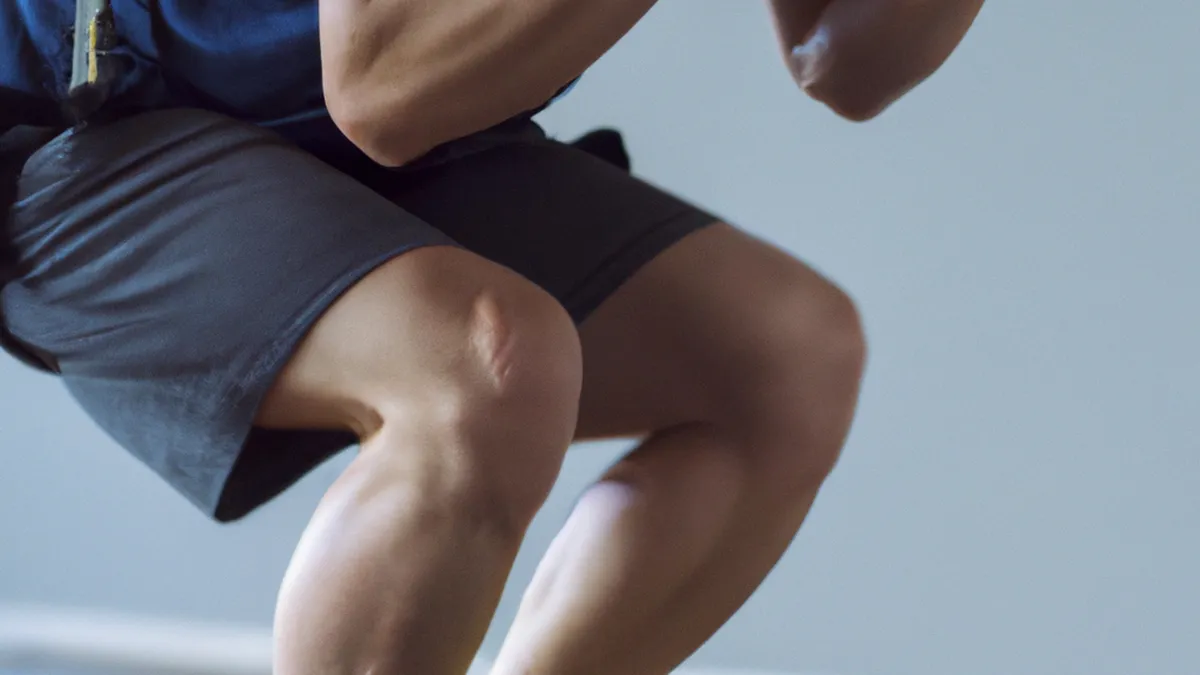
Single-Leg Squats: A Game Changer
Perfecting Single-Leg SquatsSingle-leg squats challenge and improve your lower body strength, balance, and stability. They combine strength, coordination, and concentration, making them a valuable exercise. Many people struggle to master them. This guide offers tips for perfecting single-leg squats, including form, variations, benefits, and common mistakes.
Understanding the Basics
Before attempting single-leg squats, understand the move’s mechanics. Balancing on one leg while lowering your body engages your quadriceps, hamstrings, glutes, and core.
Starting Position
Stand on one leg. Extend your non-working leg slightly in front or bend it at the knee, depending on comfort. Keep your arms extended for balance or cross them over your chest. Bend the knee of your standing leg while lowering your body, ensuring your knee aligns with your toes. Maintain a straight back and an upright chest throughout.
Core Engagement
Engage your core for stability during the squat. A strong core supports your spine and prevents leaning. Tighten your abdominal muscles before squatting to create a stable base.
Tips for Perfecting Your Form
As an Amazon Associate I earn from qualifying purchases.
Gear tip: consider TRX suspension trainer, kettlebell, and adjustable dumbbells to support this topic.
Focus on proper form for the best results from single-leg squats. Use these valuable tips to maintain correct technique:
1. Start with Assisted Variations
If you’re new to single-leg squats, begin with assisted variations. Use a sturdy chair, wall, or TRX strap for support. This helps you focus on balance and form without falling. Gradually reduce assistance as you gain confidence and strength.
2. Focus on Knee Alignment
Knee alignment prevents injury and ensures effective movement. Keep your knee tracking over your toes as you lower your body. If your knee collapses inward, it can cause strain and discomfort. Adjust your knee positioning as necessary throughout the exercise.
3. Maintain a Neutral Spine
Keep a neutral spine during single-leg squats. Avoid rounding your back or leaning forward. Instead, hinge at your hips while maintaining an upright posture. This helps engage the right muscles and prevents back strain.
4. Gradually Increase Depth
Start by squatting to a comfortable height, like a chair or bench. As you improve, gradually increase your squat depth. Aim to lower yourself until your thigh aligns with the ground.
Conclusion
In summary, single-leg squats enhance strength and balance. Focus on form, alignment, and gradual progression to master this exercise.
Below are related products based on this post:
FAQ
What are single-leg squats?
Single-leg squats are an exercise that challenges and improves lower body strength, balance, and stability. They require coordination and concentration, making them a valuable addition to any workout routine.
How should I start practicing single-leg squats?
Begin with assisted variations using a sturdy chair, wall, or TRX strap for support. This will help you focus on balance and form while gradually building your strength and confidence.
What are the key points to maintain proper form during single-leg squats?
To maintain proper form, ensure your knee aligns with your toes and avoid rounding your back. Keeping a neutral spine and gradually increasing the depth of your squat will help engage the right muscles and prevent injuries.












Post Comment