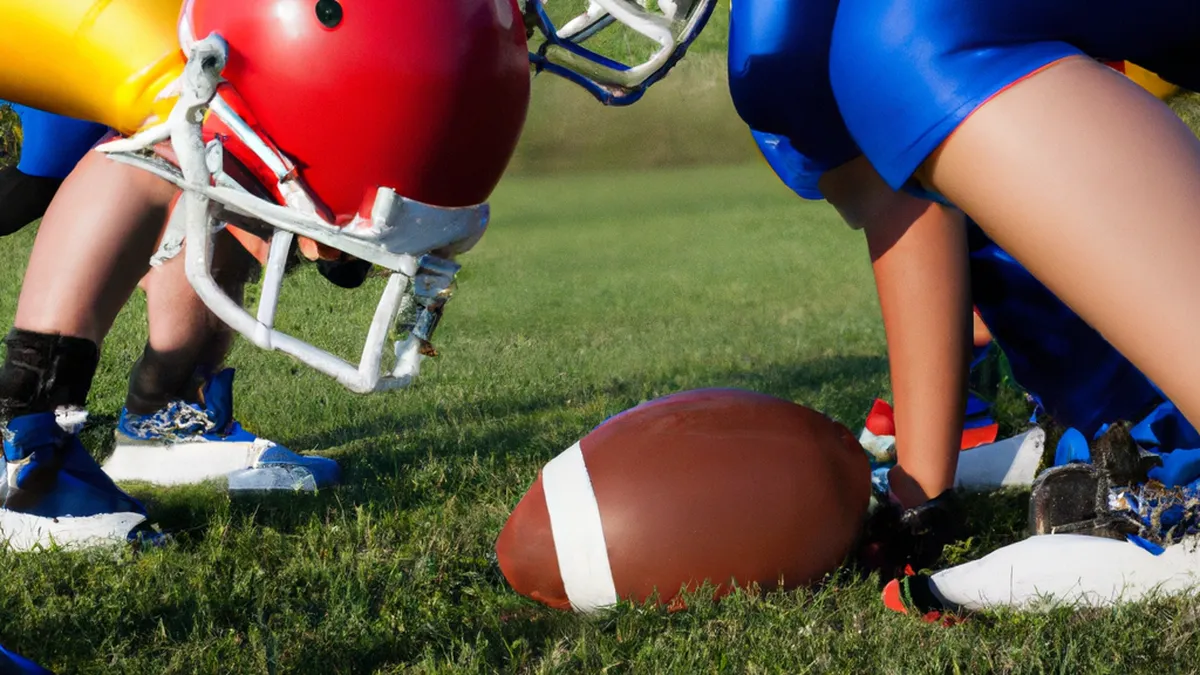
Safe Practices in Youth Sports Training
Age-Appropriate Training for Young AthletesTrain young athletes with careful planning and consideration. Children and teenagers develop physically and mentally at different rates. Age-appropriate training ensures growth and performance. This blog post offers tips and advice for effective training, fostering a lifelong love for sports and safe skill development.
Understanding Developmental Stages
Young athletes progress through developmental stages that influence their physical abilities and training needs. Coaches and parents must understand these stages.
Early Childhood (Ages 5-7)
Focus on fun and basic motor skill development. Encourage activities like running, jumping, throwing, and catching. Children naturally enjoy play and exploration. Use games like obstacle courses or tag to build a foundation for physical activity without competition pressure.
Middle Childhood (Ages 8-12)
In middle childhood, children often specialize in sports. Maintain a focus on skill development and teamwork. Introduce structured practices emphasizing coordination, agility, and sport-specific skills. Include drills that enhance athletic abilities and foster camaraderie among teammates. Ensure activities remain enjoyable, focusing on learning and improvement.
Adolescence (Ages 13-18)
Teenagers experience rapid physical changes during adolescence. These changes can affect performance and motivation. Increase training intensity and complexity for this age group. Focus on strength training, endurance, and sport-specific skills while incorporating flexibility and injury prevention strategies. Provide positive reinforcement and a supportive environment to help athletes develop their identities in sports.
Tips for Age-Appropriate Training
As an Amazon Associate I earn from qualifying purchases.
Gear tip: consider football, receiver gloves, and resistance bands set to support this topic.
1. **Prioritize Fun** Keep training enjoyable for young athletes. Incorporate games and friendly competitions to make practices exciting. When athletes enjoy themselves, they engage and commit to their sport.2. **Set Realistic Goals** Establish achievable goals for each age group, emphasizing skill improvement over winning. Younger children might focus on mastering new skills or increasing participation. For older athletes, set performance benchmarks to maintain motivation. Celebrate all achievements to build confidence and encourage effort.3. **Use Positive Reinforcement** Provide encouragement through praise and support. Highlight progress and effort instead of just results. Positive reinforcement builds self-esteem and fosters a growth mindset, helping athletes appreciate effort and improvement.4. **Incorporate Variety** Mix different activities into training to prevent boredom and maintain interest.
Conclusion
In summary, age-appropriate training nurtures young athletes’ growth, enjoyment, and skill development.
Below are related products based on this post:
FAQ
What is age-appropriate training for young athletes?
Age-appropriate training involves tailoring physical training programs to align with the developmental stages of children and teenagers. This approach ensures that training is safe, effective, and fosters a love for sports while promoting skill development.
What should be the focus during early childhood training?
During early childhood, the focus should be on fun and basic motor skill development. Activities like running, jumping, throwing, and catching should be encouraged through games, allowing children to explore and enjoy physical activity without the pressure of competition.
How can coaches and parents support athletes during adolescence?
Coaches and parents can support adolescent athletes by increasing training intensity and complexity while focusing on strength, endurance, and sport-specific skills. Providing a positive and supportive environment helps teenagers navigate their physical changes and develop their identities in sports.











Post Comment