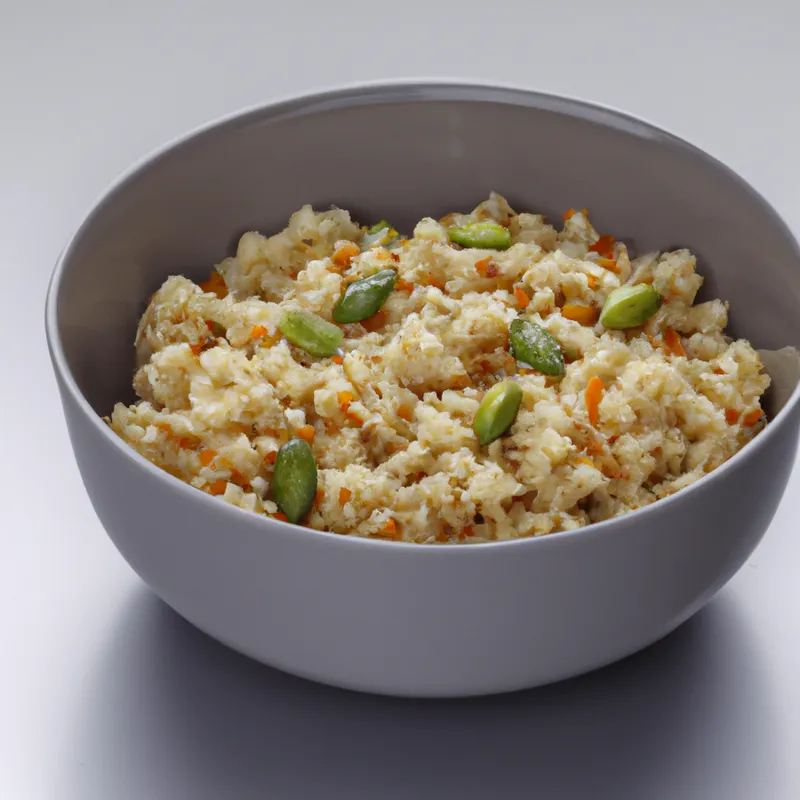
Revolutionize Your Meals with Plant-Based Options
The Future of Ready-to-Eat Plant-Based Protein Meals
Society increasingly embraces healthier eating habits, boosting the popularity of ready-to-eat plant-based protein meals. These meals combine convenience, nutrition, and sustainability, catering to busy lifestyles while supporting eco-friendly practices. This blog post examines the future of these meals, highlighting their benefits, innovations, practical selection tips, and daily integration.
The Rise of Plant-Based Diets
Recently, plant-based diets have moved from niche markets to mainstream acceptance. More people recognize the health benefits of plant-based foods, including lower risks of chronic diseases like heart disease, diabetes, and certain cancers. A study in *Nutrients* shows that plant-based diets can reduce body mass indices and improve metabolic health.
Additionally, environmental impacts from food choices have gained attention. Meat and dairy production consumes resources and contributes significantly to greenhouse gas emissions. In contrast, plant-based diets require fewer resources and have lower carbon footprints. As society becomes more aware of food production’s environmental effects, ready-to-eat plant-based meals meet the demand for sustainable dietary choices.
Convenience Meets Nutrition
In our fast-paced world, convenience matters. Ready-to-eat meals offer quick solutions for those lacking time or energy to cook. With busy schedules, family commitments, and social obligations, many people often choose unhealthy fast food. Ready-to-eat plant-based meals provide healthier alternatives without extensive preparation.
Many brands prioritize balanced meals with essential nutrients. These meals typically contain whole grains, legumes, vegetables, and healthy fats, ensuring a well-rounded diet. Eye-catching packaging and easy access enhance their appeal. For health-conscious individuals, ready-to-eat plant-based meals can bridge convenience and nutrition.
Innovation in Meal Preparation
Food technology advances rapidly, leading to innovative meal preparation solutions. Companies continuously explore new ingredients and cooking methods to improve flavor and nutritional value. Ingredients like lentils, chickpeas, quinoa, and various vegetables create high-protein, flavorful options.
Moreover, advancements in food preservation technologies, such as vacuum sealing and freeze-drying, help ready-to-eat meals maintain quality, flavor, and nutrition over time. This results in longer shelf life without excessive preservatives, making these meals appealing to health-conscious consumers.
Tips for Choosing Plant-Based Meals
When selecting ready-to-eat plant-based meals, consider these essential factors:
1. **Check the Ingredients**: Always read the ingredient list. Choose meals with whole-food ingredients and minimal additives. Simpler ingredient lists are better.
2. **Assess Nutritional Value**: Look for meals rich in protein, fiber, vitamins, and minerals.
Conclusion
Ready-to-eat plant-based protein meals provide convenience, nutrition, and sustainability. As trends evolve, these meals will play a vital role in healthy eating.
Below are related products based on this post:
FAQ
What are the health benefits of ready-to-eat plant-based protein meals?
Ready-to-eat plant-based protein meals offer numerous health benefits, including lower risks of chronic diseases such as heart disease, diabetes, and certain cancers. They are often rich in essential nutrients, such as protein, fiber, vitamins, and minerals, which support overall health and metabolic well-being.
How do ready-to-eat plant-based meals contribute to sustainability?
Ready-to-eat plant-based meals contribute to sustainability by requiring fewer resources and having a lower carbon footprint compared to meat and dairy production. As consumers become more aware of the environmental impact of their food choices, these meals provide a convenient way to make eco-friendly dietary decisions.
What should I look for when choosing ready-to-eat plant-based meals?
When selecting ready-to-eat plant-based meals, it’s essential to check the ingredient list for whole-food ingredients and minimal additives. Additionally, assess the nutritional value by looking for meals that are rich in protein, fiber, vitamins, and minerals to ensure a balanced diet.














Post Comment