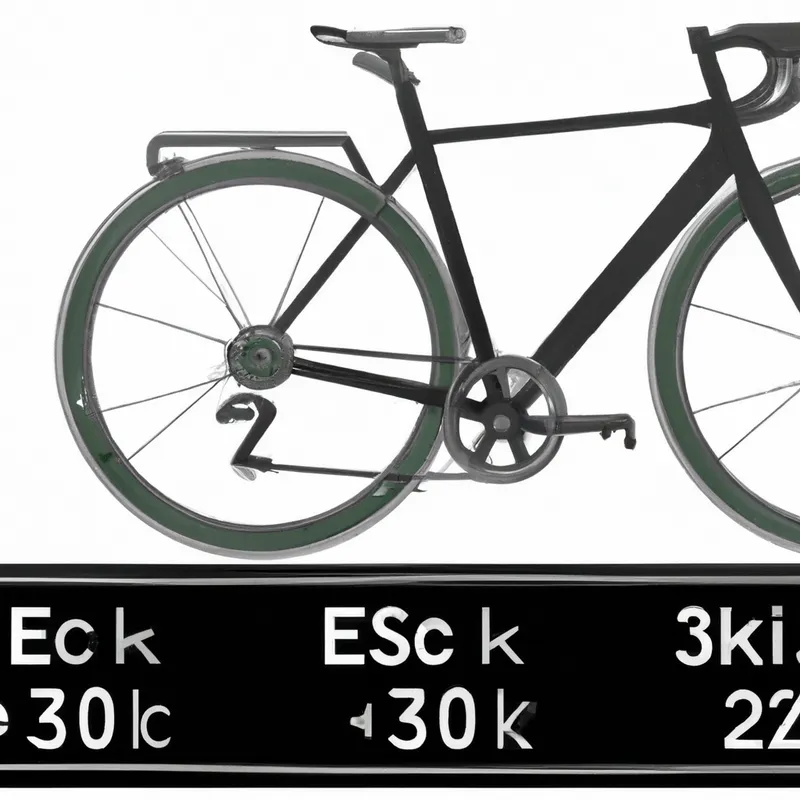
Revamp Your Cycling with Ideal Bike Fit
The Importance of Bike Fit: Avoiding Injuries and Enhancing Performance
Proper bike fit greatly enhances your cycling experience. A good fit boosts performance for casual riders and competitive cyclists alike. It affects comfort, efficiency, and injury risk. This blog post discusses bike fit’s importance in preventing injuries and improving performance.
Understanding Bike Fit
Bike fit involves adjusting your bicycle to match your body dimensions and riding style. Achieving the right fit matters for several reasons. First, it ensures a comfortable riding position. Second, it enhances efficiency, allowing for more powerful pedaling. Third, it minimizes injury risk from poor alignment.
Common Signs of Poor Fit
Recognizing poor bike fit signs is crucial. If you feel discomfort during or after rides, reassess your setup. Common symptoms include:
– **Knee Pain**: Knee pain often signals that your saddle height is incorrect. Strained knees can lead to long-term injuries.
– **Back Pain**: An improper fit can cause unnatural riding positions, straining your lower back, especially on long rides.
– **Neck Strain**: Low or distant handlebars can force you to strain your neck, causing discomfort.
– **Numbness in Hands or Feet**: This often indicates incorrect saddle positioning, leading to pressure on nerves and blood vessels.
Ignoring these symptoms can result in chronic issues, sidelining you from cycling.
Tips for Achieving the Perfect Fit
To achieve the perfect bike fit, pay attention to various bicycle aspects. Here are essential tips to get started.
1. Adjust the Saddle Height
Saddle height is critical for bike fit. To find the right height, sit on the saddle and place your heel on the pedal. Your leg should fully extend when the pedal reaches its lowest point.
This position maximizes leg extension, increasing power output. If your saddle is too low, you risk knee pain and lower efficiency.
2. Fine-tune Saddle Position
After setting the height, adjust the saddle position. Ensure the saddle remains level and aligns your knees with the pedals. A forward position boosts power, while a backward position enhances comfort. Balance is essential for peak performance.
3. Handlebar Height and Reach
Adjusting handlebar height and reach also contributes to a proper fit. Your handlebars should align comfortably with your riding posture.
Conclusion
In summary, a proper bike fit significantly enhances comfort, efficiency, and performance. Avoid injuries by ensuring your bike fits you well.
Below are related products based on this post:
FAQ
Why is bike fit important for cyclists?
Proper bike fit is essential because it enhances comfort, efficiency, and performance while reducing the risk of injuries. A good fit ensures that cyclists can ride comfortably and efficiently, allowing for more powerful pedaling and minimizing the likelihood of discomfort or pain during and after rides.
What are some common signs of a poor bike fit?
Common signs of a poor bike fit include knee pain, back pain, neck strain, and numbness in the hands or feet. These symptoms often indicate incorrect saddle height, poor saddle positioning, or improper handlebar adjustments, which can lead to chronic issues if not addressed.
How can I achieve the perfect bike fit?
To achieve the perfect bike fit, start by adjusting saddle height to ensure your leg fully extends when the pedal is at its lowest point. Next, fine-tune the saddle position to align your knees with the pedals. Finally, adjust the handlebar height and reach to match your riding posture comfortably. These adjustments help enhance your overall cycling experience.













Post Comment