
Recreational vs. Competitive: Emergency Response Plans
First Aid Preparedness for Recreational Athletes vs. Competitive AthletesAthletes face various risks related to sports injuries. Whether in casual games or championship training, injury risks persist. Proper first aid measures can enhance recovery and safety. However, first aid needs differ for recreational and competitive athletes. Understanding these differences improves overall safety and well-being, allowing athletes to focus on performance.
As an Amazon Associate I earn from qualifying purchases.
Gear tip: consider ice bath tub, waterproof thermometer, and circulation pump to support this topic.
Understanding the Differences
Recreational athletes engage in sports for fun, fitness, or socializing. They often play in local leagues without strict training. Competitive athletes train with specific goals, striving for peak performance in high-stakes situations. Their intense training exposes them to more severe injuries.
Common Injuries
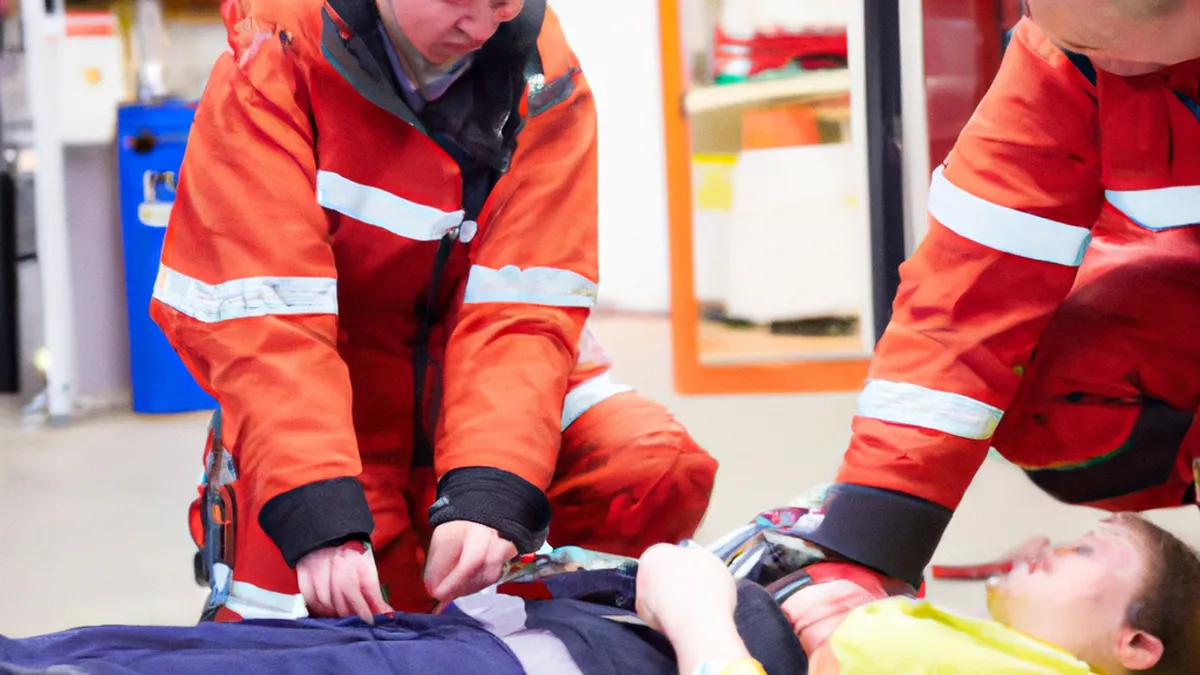
Recreational athletes usually experience sprains, strains, minor cuts, and bruises. These injuries arise from less intense activities and require basic first aid. In contrast, competitive athletes may suffer fractures, concussions, and joint dislocations that need prompt medical attention.
Psychological Factors
Injury management psychology varies between groups. Recreational athletes may feel anxiety over minor injuries. Competitive athletes face pressure to return quickly, often ignoring serious symptoms. Education on proper injury management and recovery is essential for both groups.
Key First Aid Tips for Recreational Athletes
Recreational athletes should adopt a simple first aid approach. Here are essential tips tailored for them:
1. Basic First Aid Kit
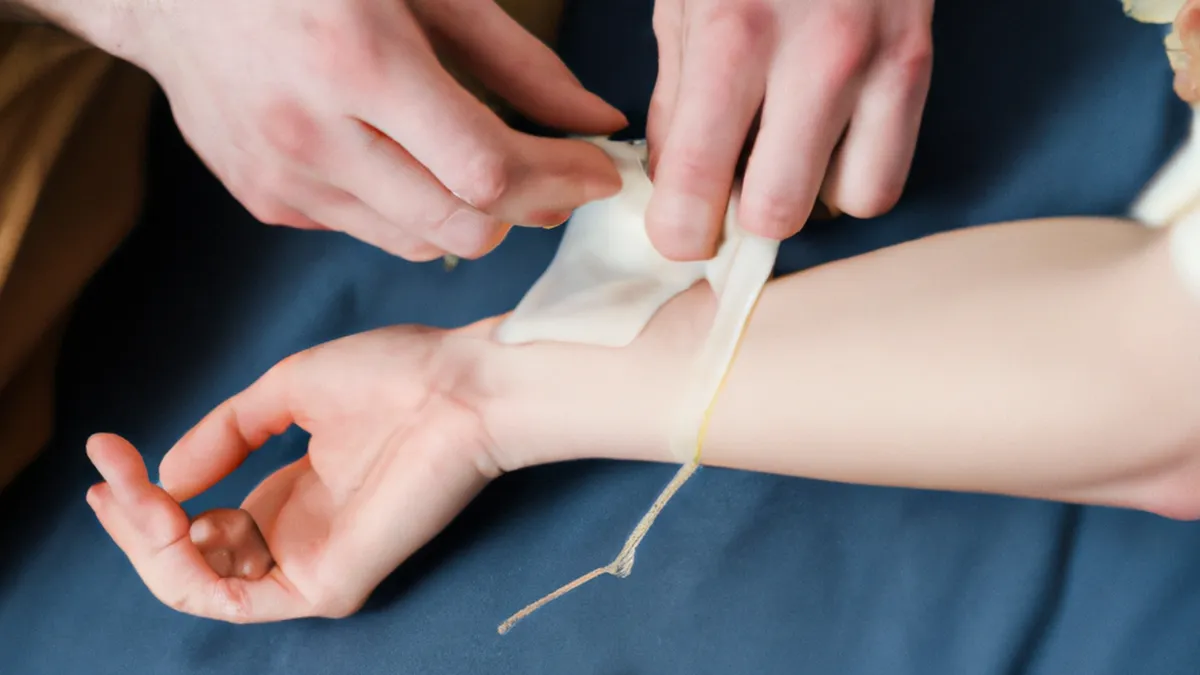
Every recreational athlete needs a readily available first aid kit. This kit should contain adhesive bandages, antiseptic wipes, gauze pads, and adhesive tape. Ice packs for sprains and strains are crucial too. Store the kit in an easily accessible location during practices and games.
2. Know the Basics
Familiarize yourself with basic first aid techniques. Learn to treat injuries like sprains, strains, and cuts effectively. The R.I.C.E. method (Rest, Ice, Compression, Elevation) works well for sprains. Additionally, knowing CPR and the Heimlich maneuver prepares athletes for emergencies.
3. Communication is Key
Effective communication among teammates is vital for managing injuries. Share your first aid knowledge with teammates to enhance safety.
Conclusion
Understanding first aid differences between recreational and competitive athletes improves safety. Being prepared fosters a better experience for all athletes.
Below are related products based on this post:
FAQ
What are the main differences in injury types between recreational and competitive athletes?
Recreational athletes typically experience sprains, strains, minor cuts, and bruises due to less intense activities. In contrast, competitive athletes may face more severe injuries such as fractures, concussions, and joint dislocations due to their rigorous training and high-stakes situations.
What should a basic first aid kit for recreational athletes include?
A basic first aid kit for recreational athletes should contain adhesive bandages, antiseptic wipes, gauze pads, adhesive tape, and ice packs for sprains and strains. It’s important to store the kit in an easily accessible location during practices and games.
Why is communication important in managing injuries among recreational athletes?
Effective communication among teammates is crucial for managing injuries as it allows for the sharing of first aid knowledge and enhances overall safety. When athletes communicate about injuries, they can ensure that everyone is aware of how to respond appropriately in emergencies.












Post Comment