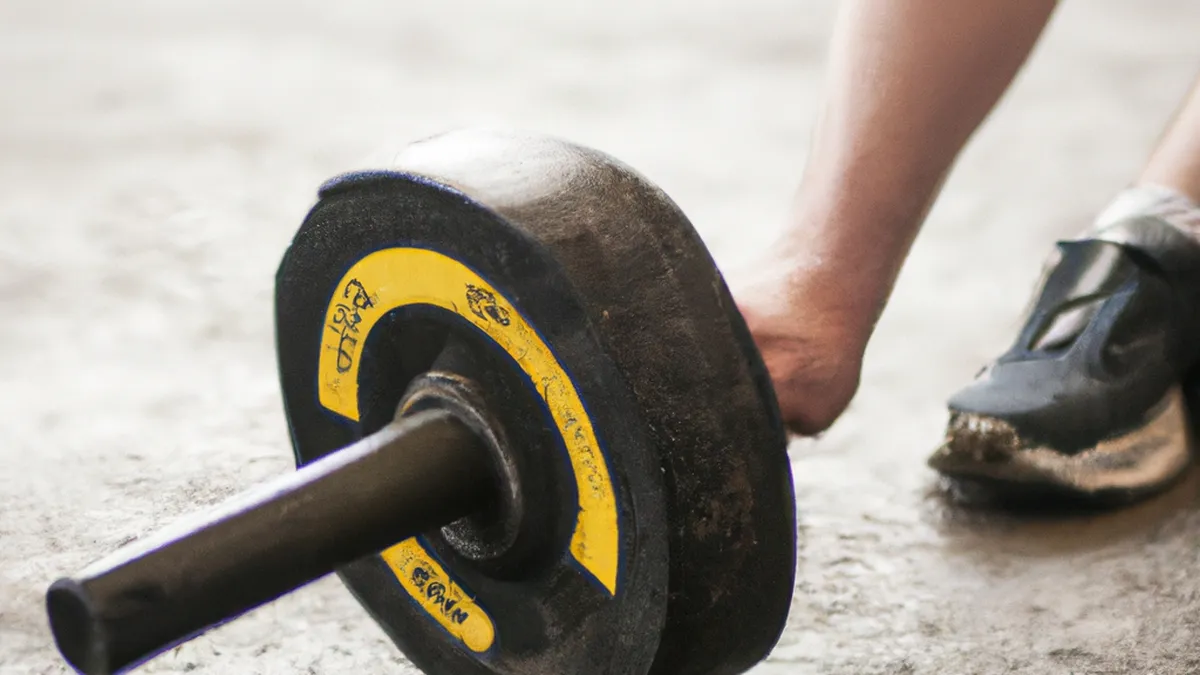
Recover Faster with Clubbell Foam Rolling Tips
Foam Rolling Techniques for Clubbell UsersFoam rolling aids recovery for clubbell trainers. It alleviates muscle soreness, improves flexibility, and accelerates recovery. Incorporating foam rolling enhances performance and reduces injury risk. This post explores effective foam rolling techniques for clubbell users.
Understanding Foam Rolling
Foam rolling involves self-myofascial release. It targets tight muscles and fascia. Use a foam roller to apply pressure to specific areas. Clubbell training stresses your muscles, so maintaining their health is crucial.
Why Foam Rolling Matters
Foam rolling promotes muscle recovery. It increases blood flow and breaks up muscle knots. This process alleviates pain and tightness while improving range of motion. You can perform clubbell exercises more effectively as a result.
Essential Foam Rolling Techniques
As an Amazon Associate I earn from qualifying purchases.
Gear tip: consider massage gun, massage oil, and standing desk balance board to support this topic.
Here are foam rolling techniques tailored for clubbell enthusiasts. Follow these tips to maximize your recovery.
1. Target Your Upper Back
Lie on your back with the foam roller under your upper back. Bend your knees and keep your feet flat. Slowly roll up and down, focusing on the thoracic spine. Spend extra time on tight spots to release tension from overhead clubbell exercises.
2. Focus on the Lats
Shift your focus to the lats. Lie on your side with the foam roller under your armpit. Extend your arm overhead while keeping your body straight. Roll from your underarm to your mid-rib cage to release tightness from pulling movements.
3. Roll Your Hamstrings
Your hamstrings need attention too. Sit on the floor and place the foam roller under your thighs. Lift your body off the ground using your hands. Roll from your glutes to your knees, pausing on tight areas to improve hip mobility for swings.
4. Loosen Up Your Calves
Don’t neglect your calves. Sit on the floor and place the foam roller under your calves. Cross one leg over the other for more pressure. Roll from your ankles to your knees to mitigate tightness that affects your footwork.
Best Practices for Foam Rolling
Follow these best practices to maximize foam rolling benefits. These tips enhance your recovery routine.
Timing Matters
Foam rolling works well before and after workouts. Before training, focus on tight areas to prepare your muscles. After workouts, foam roll to aid recovery and prevent soreness.
Take Your Time
Avoid rushing the foam rolling process. Spend at least 30 seconds on each muscle group. Hold pressure on tight spots for 20 to 30 seconds to help muscles relax.
Breathe Deeply
Breathe deeply while foam rolling. Inhale over tight spots and exhale as you release. Deep breathing promotes relaxation and enhances foam rolling effectiveness.
Benefits of Foam Rolling for Clubbell Users
Incorporating foam rolling into your routine offers key advantages.
Improved Flexibility
Foam rolling breaks down muscle adhesions, enhancing flexibility. Increased range of motion helps you perform clubbell exercises with better form.
Reduced Muscle Soreness
Foam rolling decreases delayed onset muscle soreness (DOMS). It accelerates recovery by increasing blood flow, allowing you to return to training sooner.
Enhanced Performance
Foam rolling enhances overall performance by improving flexibility and reducing soreness. You will find complex clubbell movements easier to execute, thus improving strength and endurance.
Conclusion
Foam rolling is invaluable for clubbell users. It aids recovery, improves flexibility, and enhances performance. Follow the techniques in this post to maximize foam rolling benefits. Regularly include it in your training routine. Your body will thank you!
Below are related products based on this post:
FAQ
What is foam rolling?
Foam rolling involves self-myofascial release, targeting tight muscles and fascia. It utilizes a foam roller to apply pressure to specific areas, which is essential for maintaining muscle health, especially for clubbell trainers.
Why is foam rolling important for clubbell users?
Foam rolling promotes muscle recovery by increasing blood flow and breaking up muscle knots. This process alleviates pain and tightness, ultimately improving the range of motion and allowing for more effective clubbell exercises.
How should I incorporate foam rolling into my routine?
Foam rolling should be done both before and after workouts. Before training, focus on tight areas to prepare your muscles, and after workouts, use foam rolling to aid recovery and prevent soreness.














Post Comment