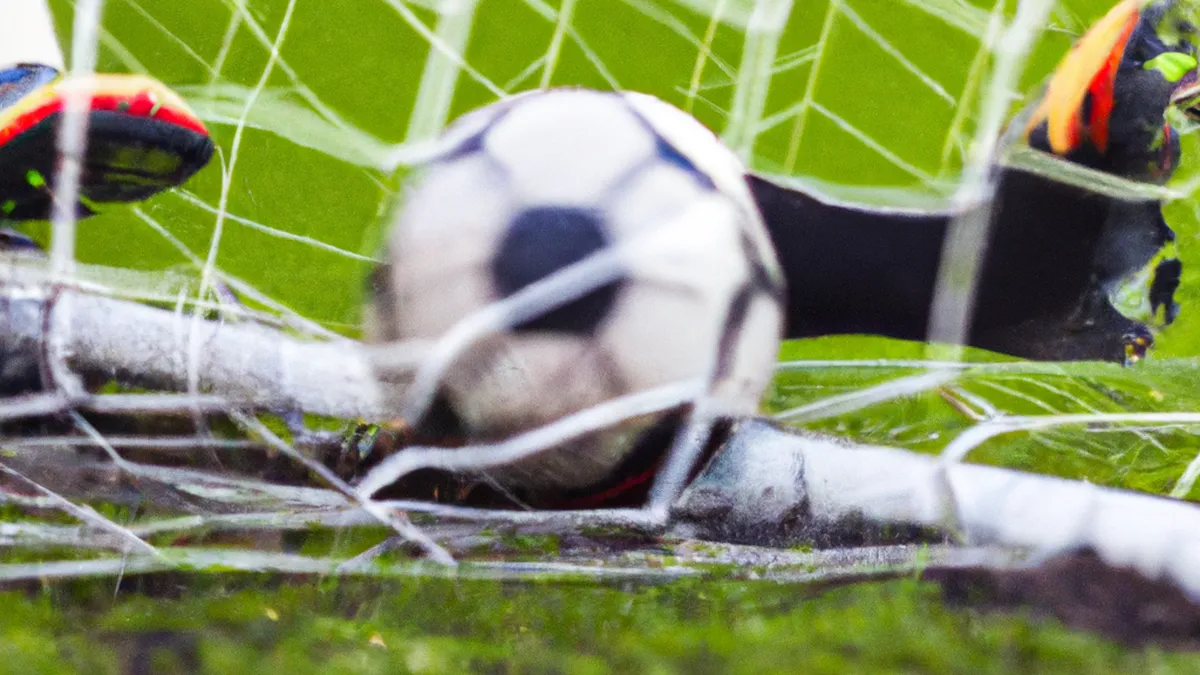
Reaction Time: Essential for Quick Counterattacks
Mastering Counter-Attacking Principles in SoccerCounter-attacking can change a soccer game’s outcome. Teams often defend but can regain control with a swift counter-attack. Players and coaches must understand counter-attacking principles. This blog offers tips, strategies, and benefits for mastering this vital skill.
Understanding Counter-Attacking
Counter-attacking occurs when a team regains possession of the ball. Instead of holding the ball, the team quickly transitions to attack. This strategy exploits opponent weaknesses and open spaces.To counter-attack effectively, players must stay alert and recognize vulnerabilities. Quick decision-making is crucial. Players should know when to pass and when to run into space. Successful counter-attacks require individual skill, teamwork, and strategic thinking.
Key Tips for Effective Counter-Attacking
As an Amazon Associate I earn from qualifying purchases.
Gear tip: consider shin guards, goalkeeper gloves, and mini shaker to support this topic.
1. Quick Transition
Quick transitions are the first principle of counter-attacking. Players should advance immediately after regaining possession. This requires high awareness and communication.In training, players should practice transitioning from defense to offense. Coaches can set up drills that simulate losing and quickly regaining possession. This practice develops instinctive reactions during matches.
2. Exploit Space
After regaining possession, players should exploit available space. Opponents often leave gaps in their defense when they push forward. Players must identify these areas and make smart runs.Using width stretches the opponent’s defense. Wingers or outside midfielders should position themselves in open areas. This creates multiple attacking options and increases scoring chances. Central players should draw defenders or make penetrating runs.
3. Support Each Other
Counter-attacking requires teamwork. Players must support one another during attacks. After winning the ball, teammates should position themselves to receive passes.The player with the ball should scan the field for the best passing options. Quick, short passes maintain attack pace and keep defenses on edge. Players must remain alert to ensure a smooth transition from defense to offense.
4. Decision-Making Under Pressure
Players face pressure from opponents during counter-attacks. Therefore, decision-making under pressure is crucial. Players should train to remain calm and assess their options quickly.For example, when a defender approaches, players must decide quickly whether to pass or dribble.
Conclusion
Mastering counter-attacking principles enhances a team’s effectiveness. Focus on quick transitions, exploiting space, supporting teammates, and making decisions under pressure.
Below are related products based on this post:
FAQ
What is counter-attacking in soccer?
Counter-attacking occurs when a team regains possession of the ball and quickly transitions to attack. This strategy is designed to exploit the opponent’s weaknesses and open spaces, making it a vital skill for teams to master.
What are the key principles of effective counter-attacking?
The key principles include quick transitions, exploiting space, supporting teammates, and decision-making under pressure. These principles help teams maintain an effective attack and capitalize on the opponent’s defensive gaps.
How can players improve their counter-attacking skills?
Players can improve their counter-attacking skills by practicing quick transitions during training and simulating scenarios where they regain possession. Additionally, focusing on teamwork and communication during these drills can enhance their overall effectiveness in matches.














Post Comment