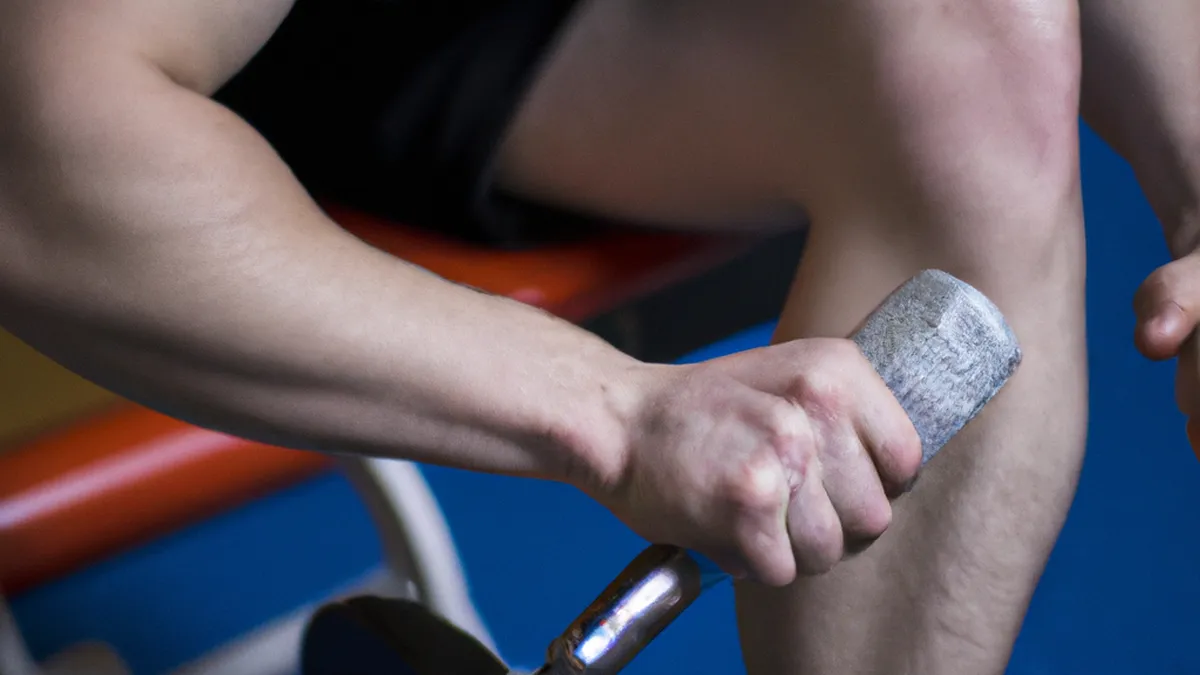
Ramp Up Your Resistance Training Efforts
Mastering Progressive Overload: Strategies for Fitness SuccessProgressive overload involves gradually increasing stress on your body during exercise. By challenging your muscles, you stimulate growth, enhance strength, and improve endurance. Beginners and experienced lifters alike can benefit from understanding progressive overload. This principle can help you achieve your fitness goals.In this post, we will discuss strategies for progressive overload and provide practical tips to maximize your workouts. Let’s dive in!
Understanding Progressive Overload
Progressive overload challenges your body to adapt to increased demands. Lifting weights causes micro-tears in your muscles. As these tears heal, your muscles grow stronger. If you perform the same exercises consistently, your muscles will plateau. To continue making gains, increase workout intensity over time.You can implement progressive overload in several ways. Adjust weights, repetitions, sets, or the tempo of your lifts. Find a method that suits your fitness level and goals. Let’s explore specific strategies for applying progressive overload effectively.
Effective Strategies for Implementing Progressive Overload
As an Amazon Associate I earn from qualifying purchases.
Gear tip: consider compression sleeves, compression socks, and percussive massager to support this topic.
1. Gradually Increase Weights
One straightforward method is to gradually increase the weights you lift. Aim to add 5-10% more weight every few weeks. For example, if you squat 100 pounds, try increasing to 105-110 pounds soon. This gradual increase challenges your muscles while minimizing injury risk.
2. Adjust Repetitions and Sets
You can also change the number of repetitions and sets you perform. If you usually do three sets of ten repetitions, consider increasing to four sets or 12-15 repetitions. This added volume stresses your muscles, promoting growth and strength. Increase your total weekly volume by 10% each week, but listen to your body. Adjust your plan if you feel fatigued or strained.
3. Manipulate Tempo
Altering your lift tempo can enhance your training significantly. Slow down the eccentric (lowering) phase of a lift. This increases time under tension, leading to greater muscle activation. For example, during a squat, try a 3-second descent followed by a quick ascent. This simple adjustment can greatly impact your muscle response.
Conclusion
In summary, understanding progressive overload can transform your fitness journey. Implement these strategies to maximize your workouts and achieve your goals.
Below are related products based on this post:
FAQ
What is progressive overload?
Progressive overload is the principle of gradually increasing the stress placed on your body during exercise. This approach stimulates muscle growth, enhances strength, and improves endurance, making it beneficial for both beginners and experienced lifters.
How can I implement progressive overload in my workouts?
You can implement progressive overload by gradually increasing weights, adjusting repetitions and sets, or manipulating the tempo of your lifts. Each method challenges your muscles in different ways, helping you continue making progress towards your fitness goals.
What is a safe way to increase weights during training?
A safe way to increase weights is to aim for a 5-10% increase every few weeks. This gradual approach allows your muscles to adapt without risking injury, ensuring that you maintain a consistent and effective training regimen.













Post Comment