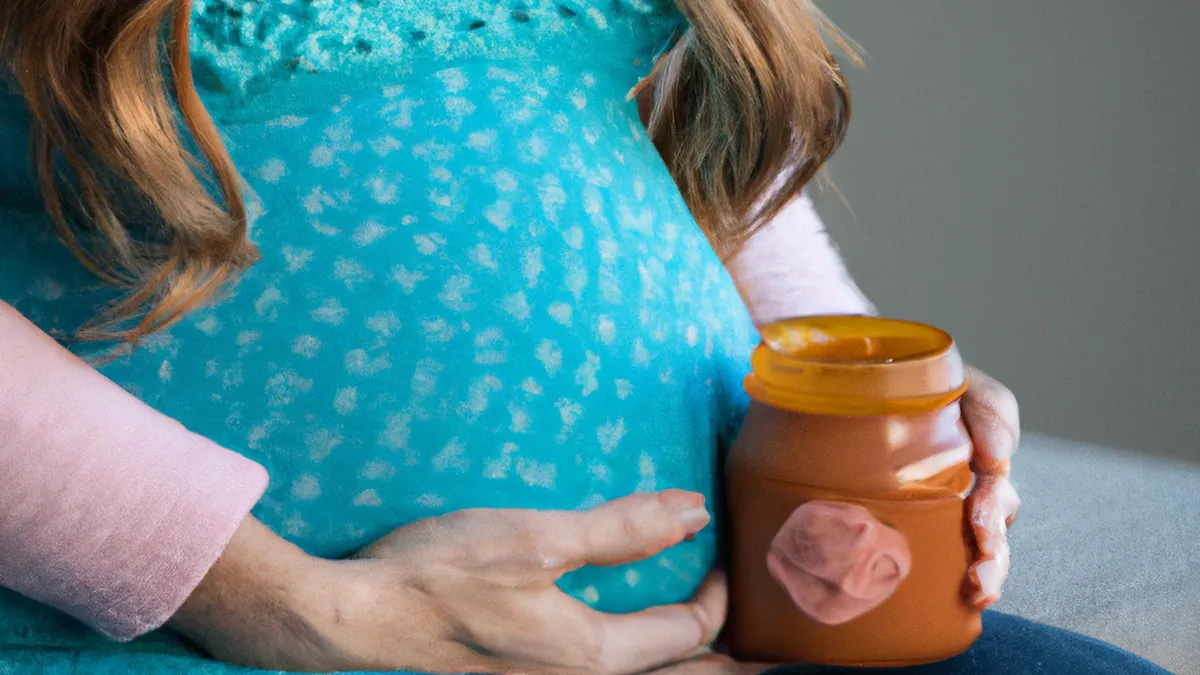
Pregnancy and Osteoporosis: What to Know
Pregnancy’s Impact on Bone DensityPregnancy transforms a woman’s body through significant physiological changes. One important aspect is its effect on bone density. Expectant mothers should understand these changes to maintain their bone health and overall well-being.
How Pregnancy Affects Bone Density
Pregnancy increases hormone levels, particularly estrogen. Estrogen helps maintain bone density by promoting osteoblast activity, which forms bones. However, pregnancy raises the demand for calcium and minerals to support the developing fetus. This demand can temporarily reduce bone density, especially in later pregnancy stages.Research shows women may lose about 3-5% of bone density during pregnancy. This loss varies among individuals due to factors like diet, physical activity, and overall health. Increased calcium needs often lead to calcium mobilization from the mother’s bones to nourish the fetus.
Nutrition’s Role in Bone Health
As an Amazon Associate I earn from qualifying purchases.
Gear tip: consider walking poles, hand grip strengthener, and low step platform to support this topic.
A balanced diet is vital for bone health during pregnancy. Specific nutrients support both mother and baby, especially regarding bone density.
Calcium
Calcium is critical for pregnant women, essential for fetal bone development. The recommended daily intake of calcium increases to about 1,000 mg for most women. Dairy products like milk, cheese, and yogurt provide excellent calcium sources. For lactose intolerant individuals, leafy greens, fortified plant-based milks, and certain fish offer alternatives.
Vitamin D
Vitamin D works with calcium to promote bone health. It enhances calcium absorption in the intestines, ensuring effective mineral utilization. Pregnant women should aim for at least 600 IU of vitamin D daily. Sunlight exposure naturally provides vitamin D, while fatty fish, fortified foods, and supplements can help meet dietary needs. Discussing a vitamin D supplement with a healthcare provider may benefit those with limited sunlight exposure.
Magnesium and Phosphorus
Magnesium and phosphorus also contribute to bone strength. Magnesium converts vitamin D into its active form, crucial for calcium absorption. Rich magnesium foods include nuts, seeds, whole grains, and leafy vegetables. Phosphorus, found in protein-rich foods like meat, fish, eggs, and dairy, supports bone health by contributing to bone structure.
Lifestyle Tips for Maintaining
Expectant mothers should engage in weight-bearing exercises, maintain a balanced diet, and manage stress. Regular check-ups with healthcare providers ensure adequate nutrient intake and monitor bone health.
Conclusion
Pregnancy significantly impacts bone density. Understanding nutritional needs and maintaining a healthy lifestyle can help expectant mothers support their bone health.
Below are related products based on this post:
FAQ
How does pregnancy affect bone density?
Pregnancy leads to increased hormone levels, particularly estrogen, which helps maintain bone density. However, the demand for calcium and minerals to support the developing fetus can temporarily reduce bone density, especially in the later stages of pregnancy.
What nutrients are important for bone health during pregnancy?
Calcium and vitamin D are critical for maintaining bone health during pregnancy. Pregnant women should aim for about 1,000 mg of calcium daily and at least 600 IU of vitamin D to support both their own bone density and the fetal bone development.
What lifestyle tips can help maintain bone health during pregnancy?
Engaging in weight-bearing exercises, maintaining a balanced diet rich in essential nutrients, and managing stress are important for expectant mothers. Regular check-ups with healthcare providers can also help monitor bone health and ensure adequate nutrient intake.













Post Comment