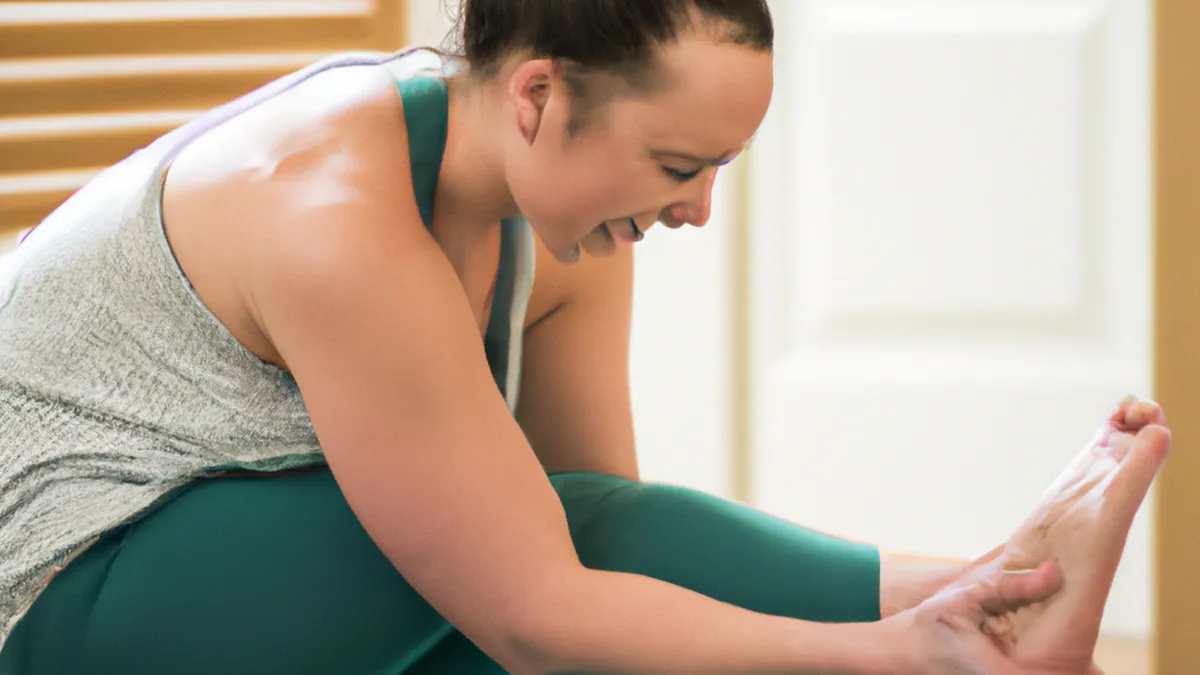
Pelvic Pain Relief: Simple Home Rehab Moves
Rehab Exercises for Pelvic PainPelvic pain affects many individuals, regardless of age or gender. It disrupts daily life and reduces overall well-being. Specific rehabilitation exercises can alleviate discomfort and improve quality of life. This blog post explores effective rehab exercises for pelvic pain relief and tips for incorporating them into your routine.
Understanding Pelvic Pain
Pelvic pain arises from muscle tension, injuries, or medical issues. It may feel sharp or dull and can radiate to other body areas. Common causes include pelvic floor dysfunction, endometriosis, interstitial cystitis, and psychological factors like stress.Understanding the root cause of pelvic pain remains crucial for treatment. A healthcare professional can diagnose the issue and recommend suitable rehab exercises. Consulting specialists like physical therapists, gynecologists, or urologists provides valuable insights into managing your condition.
Effective Rehab Exercises
As an Amazon Associate I earn from qualifying purchases.
Gear tip: consider compression socks, resistance loop bands, and compression sleeves to support this topic.
Various exercises can relieve pelvic pain and promote pelvic health. Here are some effective options:
1. Pelvic Floor Exercises
Pelvic floor exercises, known as Kegel exercises, strengthen pelvic region muscles. These exercises improve muscle tone, enhance bladder control, and alleviate pelvic pain.**How to perform Kegel exercises:**- Find a comfortable position, lying down, sitting, or standing.- Tighten pelvic floor muscles as if stopping urine flow.- Hold for 5-10 seconds, then relax.- Repeat 10-15 times.Aim to perform these exercises daily, gradually increasing contraction duration as strength improves. Consistency is key to seeing results.
2. Hip Flexor Stretches
Tight hip flexors contribute to pelvic pain by creating tension. Stretching these muscles alleviates discomfort and improves flexibility.**How to perform a hip flexor stretch:**- Kneel on one knee, with the other foot in front, forming a 90-degree angle.- Shift your weight gently forward until you feel a stretch in the kneeling leg’s hip.- Hold for 20-30 seconds, breathing deeply.- Switch sides and repeat.Incorporate this stretch into your routine a few times daily. It helps release tension and enhances hip and pelvic mobility.
3. Child’s Pose
Child’s pose is a gentle yoga stretch targeting the lower back and pelvis. It promotes relaxation and reduces pain, benefiting those with tension after a long day.**How to perform child’s pose:**- Kneel on the floor, then sit back on your heels.- Reach your arms forward on the ground, lowering your forehead to the mat.- Hold for 30 seconds, breathing deeply.
Conclusion
Rehabilitation exercises can significantly relieve pelvic pain and improve quality of life. Incorporate these exercises into your routine for better pelvic health.
Below are related products based on this post:
FAQ
What causes pelvic pain?
Pelvic pain can arise from various issues such as muscle tension, injuries, or medical conditions. Common causes include pelvic floor dysfunction, endometriosis, interstitial cystitis, and psychological factors like stress. Understanding the root cause is essential for effective treatment.
What are Kegel exercises and how do they help?
Kegel exercises strengthen the pelvic region muscles, which can improve muscle tone and bladder control. By regularly performing these exercises, individuals may experience a reduction in pelvic pain and enhanced pelvic health. Consistency is key to achieving the best results.
How can I incorporate hip flexor stretches into my routine?
Hip flexor stretches can be incorporated a few times daily to alleviate tension and improve flexibility. To perform the stretch, kneel on one knee and gently shift your weight forward until you feel a stretch. This helps enhance hip and pelvic mobility, contributing to pain relief.














Post Comment