Mastering Finger Strength Through Climbing Challenges
Using Climbing Competitions to Measure Finger Strength Improvement
Climbing competitions provide an exciting way to test your skills. These events help climbers compete and measure progress. Finger strength plays a crucial role in gripping holds and executing moves. This post outlines how to use competitions to gauge finger strength improvement, offering practical tips.
Understanding Finger Strength in Climbing
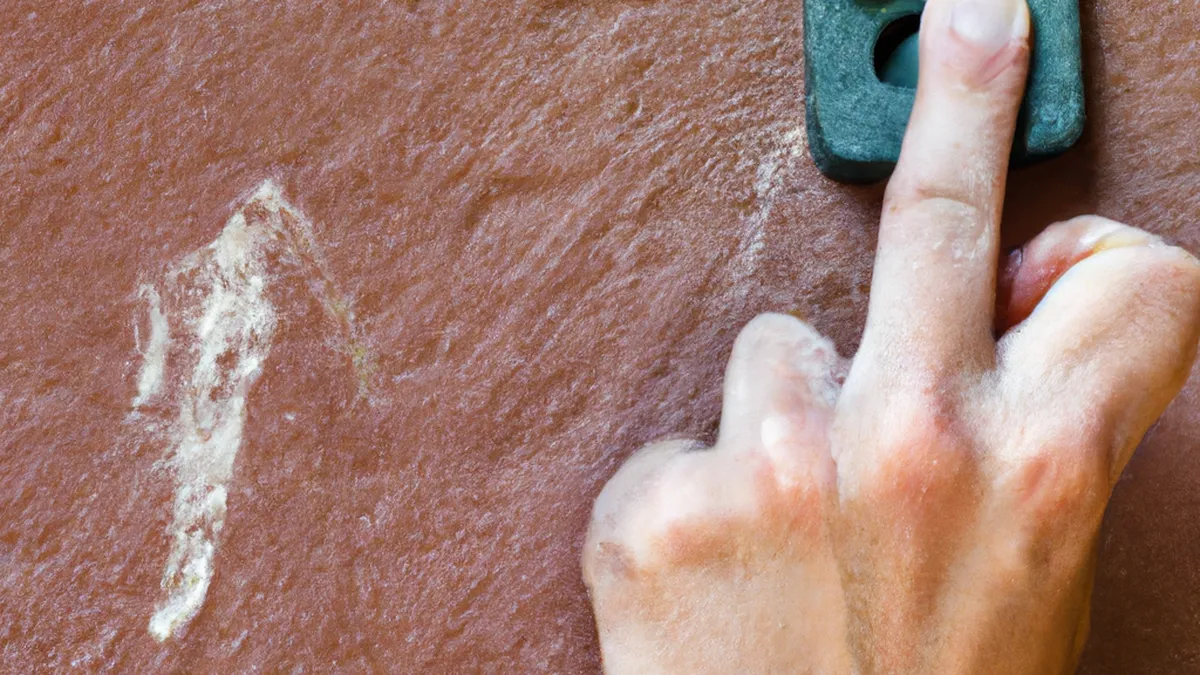
Finger strength significantly impacts climbing performance. It measures your fingers’ ability to support body weight on holds. Strong fingers enable climbers to tackle tricky routes with small grips. As you climb, finger strength becomes essential for success. Competitions showcase how finger strength influences climbing capabilities.
The Role of Competition Formats
Climbing competitions feature various formats, such as bouldering, lead climbing, and sport climbing. Each format tests different skills. Bouldering emphasizes short, powerful routes that require significant finger strength. Lead climbing focuses on endurance and technique over longer distances.
Understanding these formats helps you choose competitions aligned with your goals. If you want to improve finger strength, opt for bouldering competitions. These events challenge your grip and push your limits in a supportive atmosphere.
Setting Goals for Competitions
Set clear, achievable goals before entering a competition. Define what you want to accomplish, such as improving grip strength or completing specific problems. Establishing measurable goals helps you track progress effectively.
For example, aim to climb a certain number of problems at a specific difficulty level. Alternatively, focus on improving your time on certain routes or tackling more challenging problems than before. Documenting your goals keeps you accountable and motivated.
Tips for Measuring Finger Strength Improvement
Use these strategies to gauge finger strength improvement through competitions:
1. Track Your Performance
During competitions, take detailed notes on your performance. Record the grades you attempt, the difficulty of each problem, and your finger strength observations. Did you struggle with specific holds? Did you experience fatigue or discomfort in your fingers?
This data allows you to compare results over time and identify trends.
Conclusion
In summary, climbing competitions provide valuable insights into your finger strength improvement. Use these events to track progress and set achievable goals.
Below are related products based on this post:
FAQ
How can climbing competitions help me improve my finger strength?
Climbing competitions allow climbers to test their skills in a supportive environment, providing an opportunity to measure progress in finger strength. By participating in events like bouldering, which emphasizes short, powerful routes, climbers can challenge their grip and push their limits while tracking their improvement over time.
What should I consider when setting goals for climbing competitions?
When setting goals for climbing competitions, it’s important to define clear and achievable objectives. Focus on specific outcomes, such as improving grip strength, completing a certain number of problems at a particular difficulty level, or enhancing your time on specific routes. Documenting these goals will help keep you accountable and motivated throughout the competition.
What strategies can I use to measure my finger strength improvement during competitions?
To effectively measure finger strength improvement during competitions, track your performance by taking detailed notes on the grades you attempt, the difficulty of each problem, and your finger strength observations. Pay attention to any struggles with specific holds or signs of fatigue in your fingers. This data will help you identify trends and compare results over time.












Post Comment