
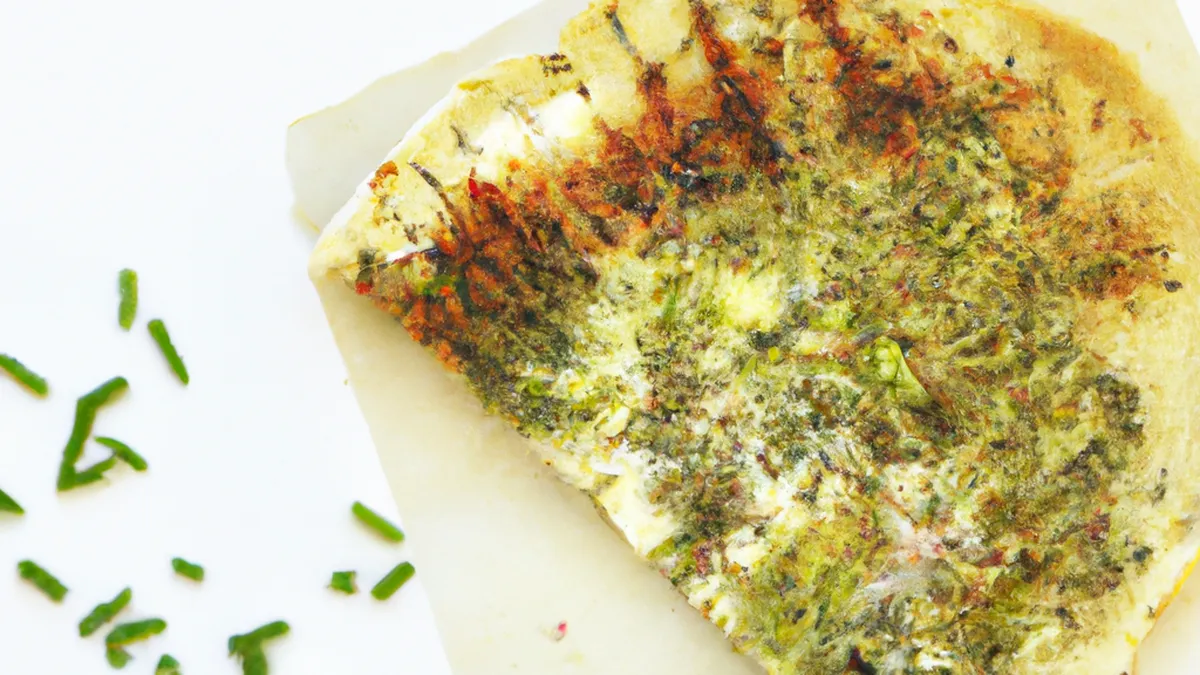
Lean Proteins: Build Muscle Effectively
Nutrition for Female AthletesNutrition significantly impacts athletic performance, especially for female athletes facing unique challenges. Understanding these challenges helps optimize their diets for peak performance. This blog post offers practical nutrition tips tailored for female athletes, stressing a well-rounded diet to enhance performance, recovery, and health.
The Importance of Nutrition
Nutrition serves as the foundation of athletic performance. The right diet fuels every aspect of an athlete’s journey, from training to competition. For female athletes, proper nutrition is crucial for performance, hormonal balance, bone health, and overall well-being. Women have different nutritional needs due to body composition, menstrual cycles, and energy expenditure. A well-rounded diet enhances performance, prevents injuries, and supports long-term health.
Macronutrients Matter
Athletes need three primary macronutrients: carbohydrates, proteins, and fats. Each macronutrient plays a specific role in performance and recovery. Understanding their importance helps female athletes make informed dietary choices.- **Carbohydrates**: Carbohydrates serve as the body’s primary energy source during high-intensity activities. Female athletes must consume adequate carbohydrates to maintain energy levels. Complex carbohydrates like whole grains, fruits, and vegetables provide sustained energy and are rich in vitamins and minerals. Depending on training intensity, female athletes should aim for 3-10 grams of carbohydrates per kilogram of body weight daily.- **Proteins**: Protein supports muscle repair and recovery. Female athletes should consume lean protein sources like chicken, fish, beans, and legumes for muscle synthesis. Include protein in every meal and snack. The recommended protein intake for athletes typically ranges from 1.2 to 2.0 grams per kilogram of body weight, depending on training intensity.- **Fats**: Healthy fats support hormonal balance, energy provision, and overall health. They should comprise about 20-35% of total daily calories. Female athletes should focus on unsaturated fats from sources like avocados, nuts, seeds, and olive oil. Omega-3 fatty acids, found in fatty fish and flaxseeds, reduce inflammation and support heart health.
Timing is Key
Meal timing significantly impacts an athlete’s performance. Female athletes should focus on nutrient timing around workouts to maximize energy and recovery. Eating a balanced meal or snack before exercise enhances energy levels and performance. A mix of carbohydrates and protein is ideal, and athletes should eat this 30-90 minutes before training.For post-exercise recovery, consume a similar snack or meal within 30 minutes. This practice helps replenish glycogen stores and promotes muscle repair. A good recovery meal might include a smoothie.
Conclusion
As an Amazon Associate I earn from qualifying purchases.
Gear tip: consider collapsible funnel, reusable snack bags, and carb gels to support this topic.
In summary, female athletes should prioritize nutrition to enhance performance, recovery, and overall health.
Below are related products based on this post:
FAQ
Why is nutrition important for female athletes?
Nutrition is essential for athletic performance as it fuels every aspect of an athlete’s journey, from training to competition. For female athletes, proper nutrition supports performance, hormonal balance, bone health, and overall well-being, addressing their unique nutritional needs.
What macronutrients should female athletes focus on?
Female athletes should prioritize three primary macronutrients: carbohydrates, proteins, and fats. Carbohydrates provide energy, proteins support muscle repair, and healthy fats contribute to hormonal balance and overall health.
How does meal timing affect performance for female athletes?
Meal timing is crucial as it impacts energy levels and recovery. Female athletes should consume a balanced meal or snack before exercise and another within 30 minutes post-exercise to maximize performance and promote muscle repair.













Post Comment