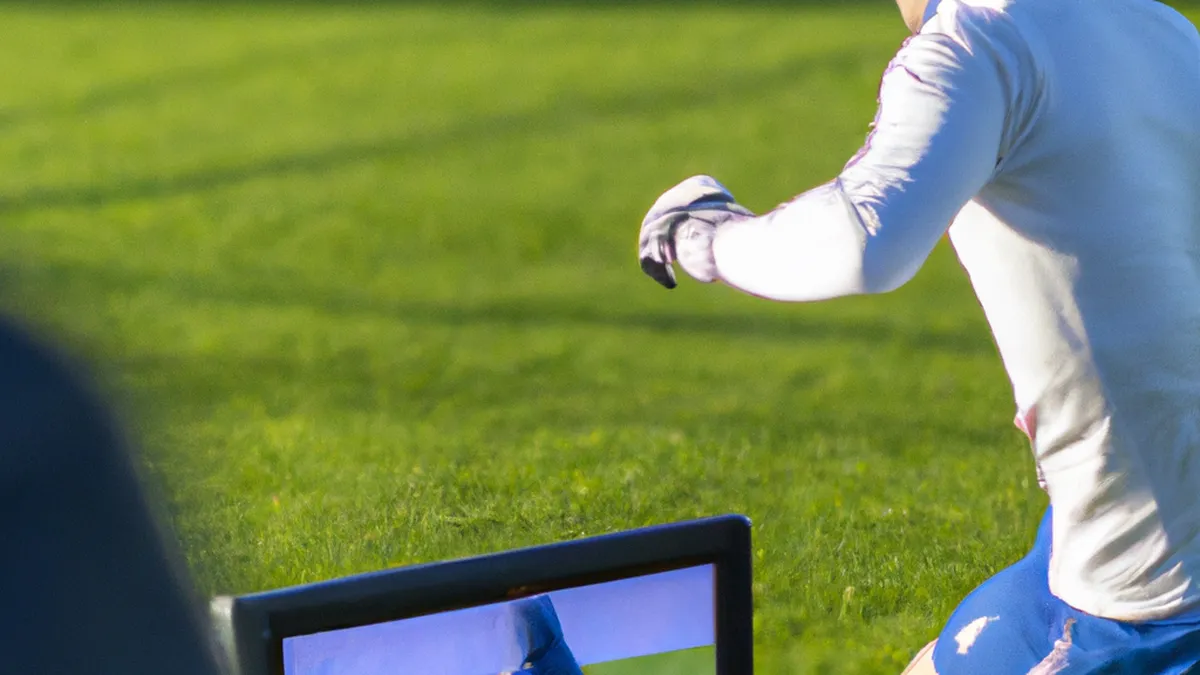
Insights from Video: Elevating Player Performance
The Role of Video Analysis in Refining Player Techniques
As an Amazon Associate I earn from qualifying purchases.
Gear tip: consider agility cones, speed ladder and training hurdles to support this workout.
In sports, technique is crucial. Athletes must perfect their skills to compete effectively. Video analysis serves as a powerful tool for improvement. Coaches and athletes use it to refine techniques and enhance performance. This blog post explores video analysis in player development, offering tips, advice, and benefits.
Understanding Video Analysis
Video analysis records players during practice or games. Coaches review footage to identify strengths and weaknesses. This process enables objective assessment. Unlike verbal feedback, video clearly shows players what they need to improve.
Video captures details that the naked eye might miss. For example, a player may misalign their feet during a swing. Coaches can provide visual evidence through video. This clarity helps players understand necessary adjustments.
The Technology Behind Video Analysis
Video analysis technology has evolved significantly. High-definition cameras capture slow-motion footage, allowing detailed examination of movements. Many coaches use apps and software specializing in sports analysis. These tools offer frame-by-frame breakdowns and video overlays for comparison.
Advanced systems also incorporate artificial intelligence and machine learning. These tools analyze player behavior and performance metrics. They provide insights into movement patterns and fatigue levels. Coaches can even predict injury risks based on biomechanics. This analysis helps develop personalized training regimens.
Incorporating Video Analysis into Training
Coaches should follow a structured approach for effective video analysis. First, select the right technology. Many apps and software options exist for analyzing sports footage. Choose one that fits your team’s needs and budget.
Next, regularly record practice sessions and games. Consistency is key. Gathering substantial footage creates a library of player techniques. This library becomes a valuable resource for ongoing development.
After recording, analyze the footage together. Coaches and players should review it collaboratively. This approach encourages open communication. Players often notice things they might have missed on the field. Discussing the video fosters deeper understanding.
Tips for Effective Video Analysis
1. **Focus on Specific Techniques**: Analyze one skill or technique at a time. This focus prevents overwhelming players and allows targeted improvement.
2. **Use Slow Motion**: Slow down footage to highlight key movements. This technique makes spotting mistakes easier. For example, analyzing a tennis serve in slow motion reveals foot placement or timing issues.
3. **Highlight Positive Aspects**: Always showcase players’ strengths. Positive reinforcement boosts confidence and motivates improvement. When athletes see their successes, they become more willing to address weaknesses.
Conclusion
Video analysis enhances player development by providing clear insights and fostering collaboration. Coaches and athletes can refine techniques effectively using modern technology.
Below are related products based on this post:
FAQ
What is the main purpose of video analysis in sports?
The main purpose of video analysis in sports is to help athletes refine their techniques and enhance performance. By reviewing footage, coaches can identify strengths and weaknesses, allowing for objective assessments and better feedback compared to verbal communication.
How has video analysis technology evolved over the years?
Video analysis technology has significantly evolved with the introduction of high-definition cameras and specialized software. These advancements allow for slow-motion footage, frame-by-frame breakdowns, and even the incorporation of artificial intelligence and machine learning to analyze player behavior, performance metrics, and injury risks.
What are some tips for effectively incorporating video analysis into training?
To effectively incorporate video analysis into training, coaches should focus on specific techniques one at a time, use slow-motion footage to highlight key movements, and always highlight positive aspects to boost players’ confidence. Regular recording of practice sessions and collaborative analysis with players also enhances understanding and communication.














Post Comment