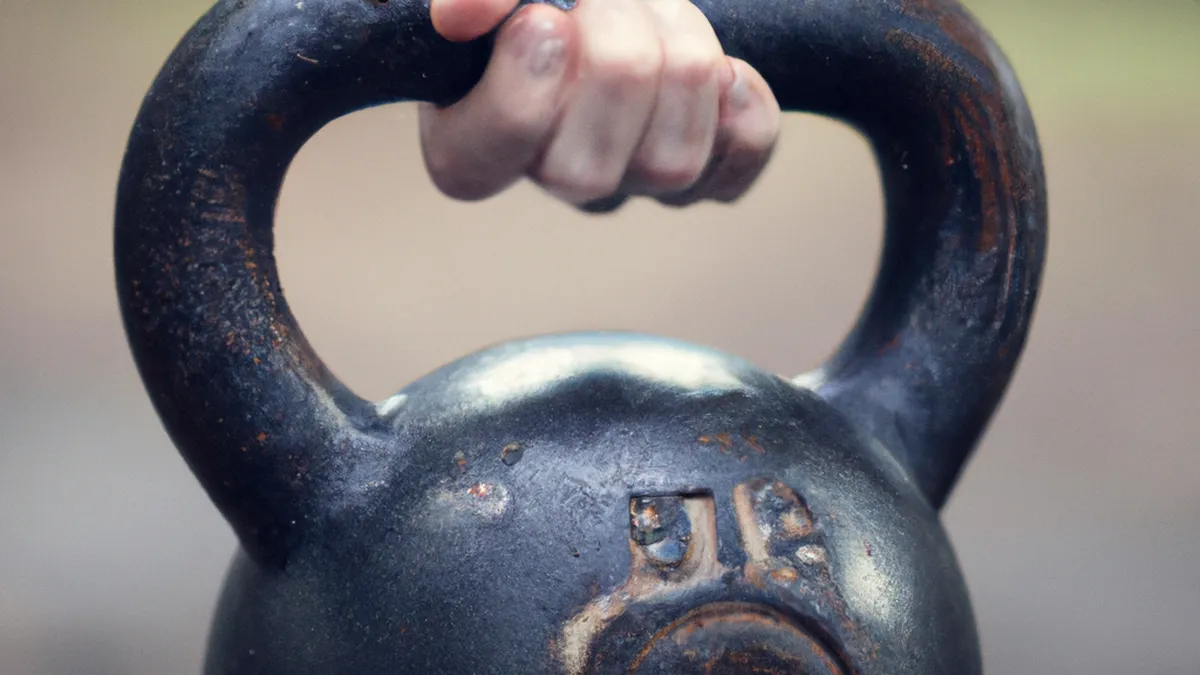
High-Performance Kettlebell Swing Tips
Mastering Kettlebell Swing Form: A Comprehensive GuideKettlebell swings offer a dynamic exercise that transforms your fitness routine. They engage multiple muscle groups, improve endurance, and enhance strength. Proper form maximizes benefits and prevents injuries. This guide covers kettlebell swing mechanics, tips for perfecting your form, and the benefits of this exercise.
Understanding the Kettlebell Swing
Kettlebell swings primarily target the posterior chain, including glutes, hamstrings, and lower back. They also engage the core, shoulders, and grip. The hip hinge motion sets swings apart from traditional strength-training exercises.
Key Components of Kettlebell Swing Form
Focus on these key components for a correct kettlebell swing:
Grip and Stance
Stand with feet shoulder-width apart and toes slightly outward. Grip the kettlebell firmly with both hands and palms facing you. Maintain a strong yet relaxed grip for control. This stance provides stability and optimizes hip movement.
Hinge at the Hips
Kettlebell swings emphasize a hip-dominant movement. Push your hips back while keeping a flat back and neutral spine. Bend your knees slightly but focus on hinging at your hips, activating your glutes and hamstrings.
Engage Your Core
Engage your core for stability and injury prevention. Draw your belly button toward your spine as you prepare for the swing. This keeps your torso rigid and prevents excessive back arching or rounding.
Performing the Swing
After establishing grip, stance, and core engagement, begin the swing:1. **Initiate the Swing**: Swing the kettlebell back between your legs while maintaining the hip hinge. This creates tension in your posterior chain.2. **Thrust Your Hips Forward**: As the kettlebell reaches its lowest point, explosively thrust your hips forward. This hip extension propels the kettlebell upward. Remember, your hips generate power, not your arms.3. **Control the Descent**: Control the kettlebell’s descent as it peaks. Allow it to swing back down between your legs, hinging at the hips again. This movement prepares you for the next repetition and maintains proper form.
Tips for Perfecting Your Kettlebell Swing
Maintain proper form throughout your swings.
Conclusion
As an Amazon Associate I earn from qualifying purchases.
Gear tip: consider kettlebell, adjustable dumbbells, and olympic barbell to support this topic.
Master kettlebell swings to enhance your fitness routine and enjoy numerous benefits. Prioritize form to prevent injuries and maximize effectiveness.
Below are related products based on this post:
FAQ
What muscles are targeted by kettlebell swings?
Kettlebell swings primarily target the posterior chain, which includes the glutes, hamstrings, and lower back. They also engage the core, shoulders, and grip, making it a comprehensive workout for multiple muscle groups.
How should I position my body when performing kettlebell swings?
For proper kettlebell swings, stand with your feet shoulder-width apart and toes slightly outward. Grip the kettlebell firmly with both hands, ensuring a strong yet relaxed grip to maintain stability and optimize hip movement.
What is the importance of core engagement during kettlebell swings?
Engaging your core is crucial for stability and injury prevention during kettlebell swings. By drawing your belly button toward your spine, you keep your torso rigid, which helps avoid excessive arching or rounding of the back.













Post Comment