Guide Athletes Through the Challenges of RED-S
Communicating with Athletes About RED-S
Relative Energy Deficiency in Sport (RED-S) affects athletes in various sports. This condition occurs when athletes fail to consume enough calories, leading to physical and psychological consequences. Coaches, trainers, and sports professionals must communicate effectively about RED-S to ensure athletes’ health and performance. This article offers strategies for engaging athletes on this important topic.
Understanding RED-S
Before discussing RED-S, understand its implications. RED-S can impact athletes’ physical health, mental well-being, and performance. Athletes with RED-S may experience fatigue, decreased performance, and a higher risk of injuries. This condition can disrupt hormonal balance and affect bone density, potentially harming an athlete’s career.
Signs and Symptoms
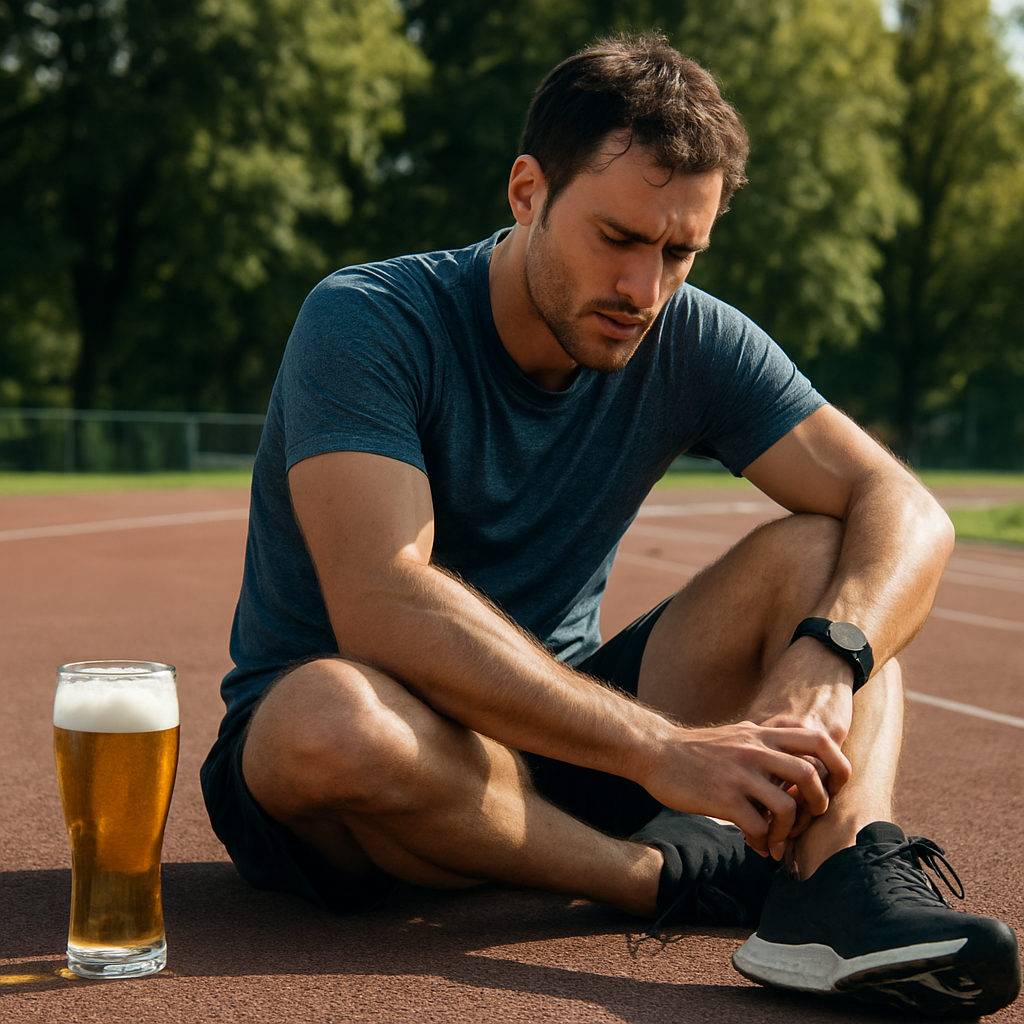
Recognizing RED-S signs enables timely intervention. Common symptoms include fatigue, irritability, mood swings, and low motivation. Female athletes may have irregular menstrual cycles or amenorrhea, while male athletes might face hormonal imbalances. Many athletes may not recognize these signs, making proactive communication essential.
Common Misconceptions
A major challenge in addressing RED-S involves the belief that lower body weight means better performance. This misconception can lead athletes to adopt unhealthy habits, like restrictive dieting or excessive training. Address these misconceptions directly. Explain how proper energy balance supports health and performance. Use data to help athletes understand that energy sufficiency is vital for sustainable success.
Tips for Effective Communication
When discussing RED-S with athletes, prioritize clarity, empathy, and support. Here are practical strategies for open conversations.
Create a Safe Environment
Foster a supportive atmosphere where athletes feel safe sharing thoughts and experiences. Use open-ended questions to encourage dialogue. For example, ask, “How do you feel about your training and nutrition?” This builds trust and encourages athletes to discuss energy intake or body image struggles.
Use Simple Language
Avoid technical jargon that might confuse athletes. Instead, use clear, relatable language. For instance, say, “Your body needs enough fuel to perform well, just like a car needs gas.” Clarity helps athletes understand the importance of energy balance and nutrition.
Encourage Self-Reflection
Encourage athletes to reflect on their eating habits and energy levels. Ask questions like, “Do you feel energized during training?” or “How do you feel after meals?”
Conclusion
In summary, effective communication about RED-S involves understanding the condition, addressing misconceptions, and fostering a supportive environment.
Below are related products based on this post:
FAQ
What is Relative Energy Deficiency in Sport (RED-S)?
Relative Energy Deficiency in Sport (RED-S) occurs when athletes do not consume enough calories to meet their energy needs, leading to various physical and psychological consequences. It can negatively impact athletes’ health, performance, and overall well-being.
What are the common signs and symptoms of RED-S?
Common signs and symptoms of RED-S include fatigue, irritability, mood swings, low motivation, and in female athletes, irregular menstrual cycles or amenorrhea. Male athletes may experience hormonal imbalances. Recognizing these signs is crucial for timely intervention.
How can coaches and trainers effectively communicate about RED-S with athletes?
Coaches and trainers can effectively communicate about RED-S by creating a safe environment for open dialogue, using simple language to explain concepts, and encouraging self-reflection among athletes regarding their eating habits and energy levels. This approach fosters trust and understanding, helping athletes recognize the importance of energy balance.













Post Comment