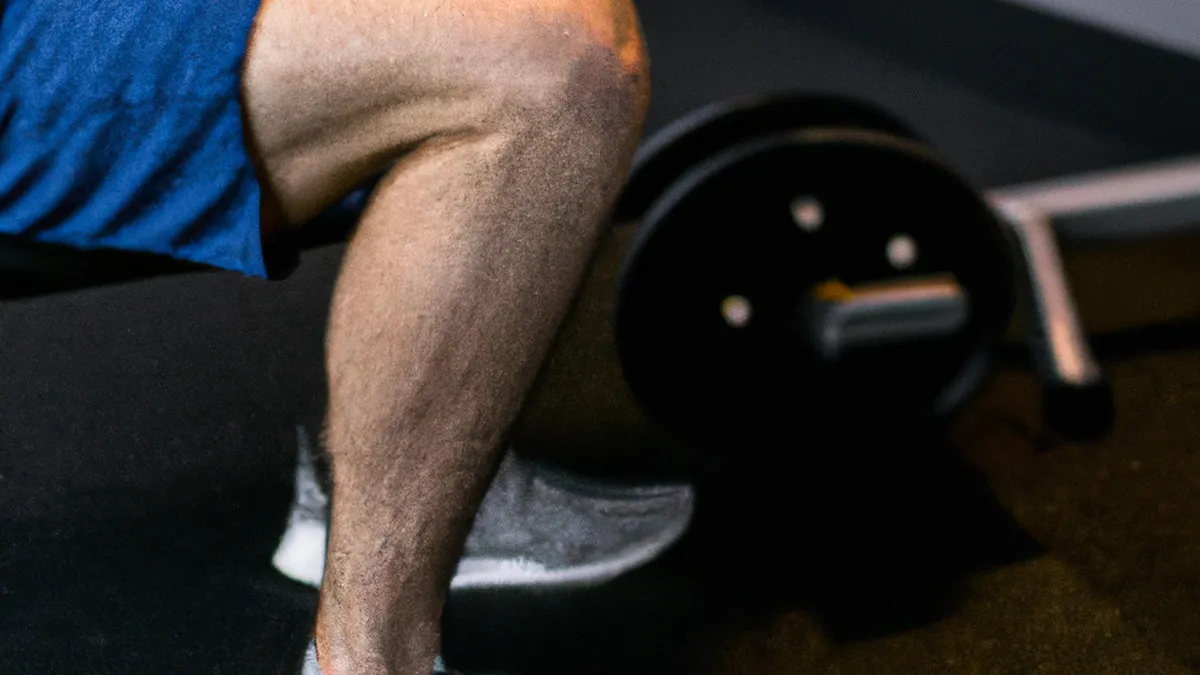
Glute-Centric Routine: A Complete Guide
Designing a Glute-Centric ProgramReady to sculpt your glutes? A glute-centric program enhances your physique, boosts sports performance, and prevents injuries. This blog post guides you in creating an effective glute workout plan. Whether you’re a beginner or advanced, these tips will help you achieve your goals.
Understanding the Glutes
The gluteal muscles consist of three parts: gluteus maximus, gluteus medius, and gluteus minimus. Each part plays a vital role in lower body movement. The gluteus maximus is the body’s largest muscle. It handles hip extension, rotation, and stabilization. The gluteus medius and minimus assist with hip stability and abduction. To target these muscles effectively, use a diverse range of exercises. A well-rounded program builds strength, size, and endurance in your glutes. Understanding glute anatomy helps you choose the best exercises for your specific goals.
The Role of the Glutes
Glutes impact more than aesthetics—they are crucial for overall bodily function. Strong glutes support movements like walking, running, and climbing stairs. They also stabilize the pelvis and lower back for proper posture. Moreover, strong glutes enhance athletic performance in activities requiring sprinting, jumping, or heavy lifting.
Tips for Designing Your Program
As an Amazon Associate I earn from qualifying purchases.
Gear tip: consider compression sleeves, compression socks, and percussive massager to support this topic.
Creating a glute-centric program requires careful planning. Here are practical tips to get started.
1. Prioritize Compound Movements
Compound movements engage multiple muscle groups and build overall strength. Incorporate exercises like squats, deadlifts, and lunges into your routine. These movements effectively target the glutes while working other muscles.For example, barbell squats significantly activate the gluteus maximus. They also engage the quadriceps, hamstrings, and core. Deadlifts engage the glutes and work the posterior chain, including hamstrings and lower back. Aim for 3-4 sets of 6-12 reps for strength and muscle mass.
2. Include Isolation Exercises
Isolation exercises specifically target the glutes and enhance muscle definition and growth. Add hip thrusts, glute bridges, donkey kicks, and cable kickbacks to your routine. Hip thrusts provide an intense glute contraction and effectively promote muscle hypertrophy. Perform 3-4 sets of 8-15 reps. You can do glute bridges with bodyweight or added resistance. They activate the glutes without straining the lower back. Use resistance bands or cables for focused work on the glute muscles with cable kickbacks.
3. Vary Your Rep Ranges
Different rep ranges stimulate muscle growth and strength. Experiment with high and low rep ranges to maximize your training results.
Conclusion
In summary, focus on compound and isolation exercises to effectively target your glutes. Vary your rep ranges for optimal growth. With dedication and the right program, you can achieve your glute goals.
Below are related products based on this post:
FAQ
What are the main parts of the gluteal muscles?
The gluteal muscles consist of three main parts: the gluteus maximus, gluteus medius, and gluteus minimus. Each part plays a crucial role in lower body movement, with the gluteus maximus being the largest muscle responsible for hip extension and stabilization.
Why are strong glutes important?
Strong glutes are essential not only for aesthetics but also for overall bodily function. They support movements such as walking and running, stabilize the pelvis and lower back, and enhance athletic performance in activities that require sprinting or heavy lifting.
What types of exercises should I include in a glute-centric program?
A glute-centric program should include both compound movements and isolation exercises. Compound movements like squats and deadlifts engage multiple muscle groups, while isolation exercises such as hip thrusts and glute bridges specifically target the glutes for muscle definition and growth.











Post Comment