
Focus on Healing: Essential Recovery Steps
Recovery Protocols Post-Injury: Your Path to HealingInjuries disrupt our lives. Sprains, fractures, and muscle strains often come unexpectedly, impacting daily activities. Understanding recovery protocols can speed up healing. This blog post shares essential recovery tips and the benefits of structured protocols for successful recovery.
Initial Steps After an Injury
Take immediate steps after sustaining an injury. Promptly addressing the injury greatly influences your recovery timeline. Use the RICE method: Rest, Ice, Compression, and Elevation.
Rest
Rest is vital for healing. Avoid putting weight on the injured area. This allows your body to heal naturally. Ignoring pain can worsen your injury and lengthen recovery time. Listen to your body; stop activities that hurt and rest.
Ice
Apply ice to reduce swelling and numb pain. Ice constricts blood vessels and limits inflammation right after injury. Wrap ice or a cold pack in cloth to protect your skin. Apply it to the injured area for 15-20 minutes every few hours. Take breaks between applications to avoid frostbite.
Compression
Use compression to minimize swelling with the RICE method. An elastic bandage or compression wrap restricts excess fluid accumulation. Ensure the compression is snug but not too tight. You should still move your toes or fingers.
Elevation
Elevate the injured area above heart level. This helps reduce swelling and improves blood circulation. Use pillows or cushions to support the injured limb while resting or sleeping. This simple act aids the recovery process.
Active Rehabilitation Techniques
As an Amazon Associate I earn from qualifying purchases.
Gear tip: consider cold pack, receiver gloves, and compression sleeves to support this topic.
After the initial phase and as pain diminishes, focus on rehabilitation. Engage in active rehabilitation techniques to enhance recovery and prevent complications. Start incorporating mobility, strength, and flexibility exercises into your routine.
Mobility Training
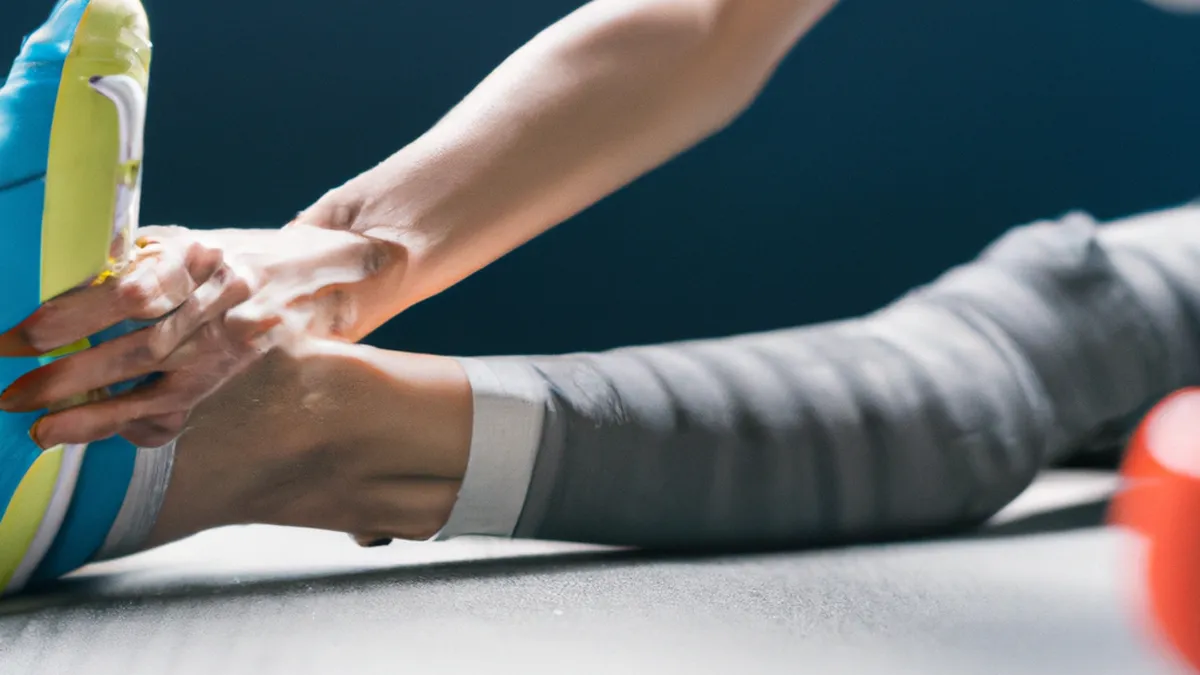
Begin with gentle mobility exercises to restore range of motion. Simple movements help regain movement without straining the injury. For ankle injuries, try ankle circles or foot flexing. Gradually increase intensity and duration as you feel comfortable.
Strength Training
Once you regain mobility, introduce strength training. Building strength in the affected area helps prevent future injuries.
Conclusion
In summary, follow these recovery protocols to support your healing journey. Implementing these steps can lead to a successful recovery.
Below are related products based on this post:
FAQ
What are the initial steps to take after an injury?
Immediately after an injury, it is crucial to take prompt action to influence your recovery timeline. The RICE method—Rest, Ice, Compression, and Elevation—should be employed to address the injury effectively. This approach helps reduce swelling and manage pain, setting the foundation for a smoother recovery process.
How important is rest in the recovery process?
Rest is essential for healing after an injury. By avoiding weight on the injured area, you allow your body to recover naturally. Ignoring pain and continuing activities can exacerbate the injury and prolong recovery time, making it important to listen to your body and prioritize rest.
What role does rehabilitation play in recovery?
Active rehabilitation techniques are vital after the initial healing phase, as they enhance recovery and prevent complications. Incorporating mobility, strength, and flexibility exercises helps restore function and prepares the body for future activities. Gradually increasing the intensity of these exercises supports a more effective recovery process.












Post Comment