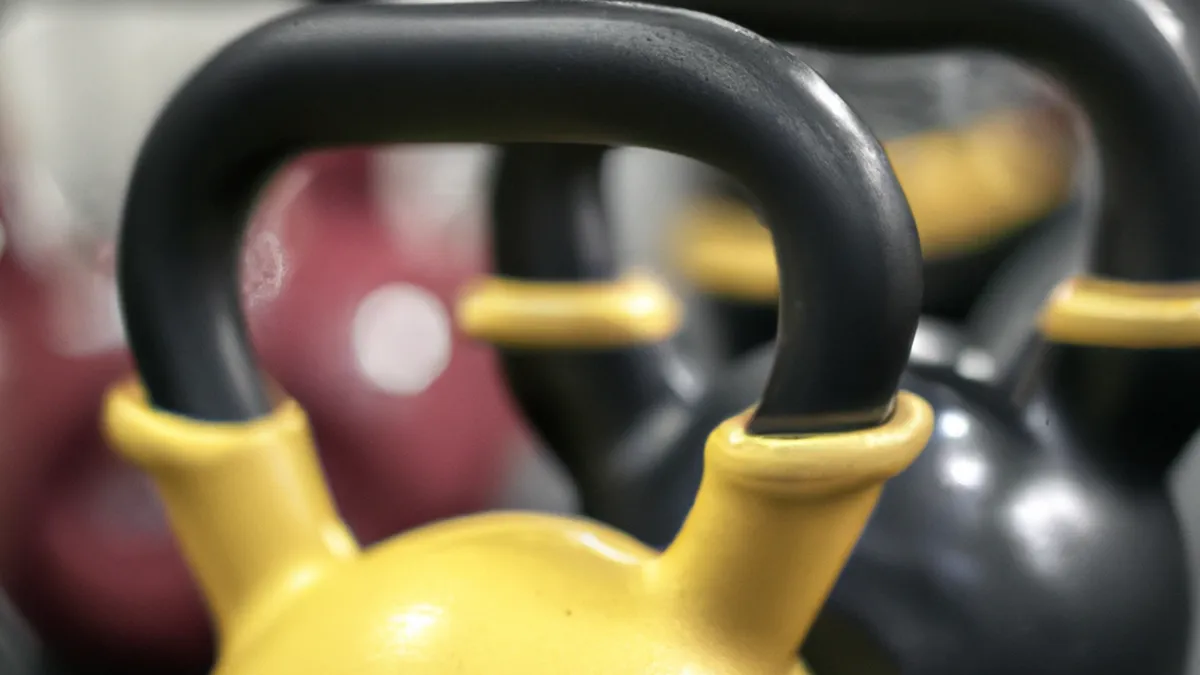
Five Key Safety Practices for Kettlebells
Safe Kettlebell Practices: A Comprehensive GuideKettlebells have gained popularity in fitness for their versatility and effectiveness. These weights resemble cannonballs with handles and allow various exercises. They engage multiple muscle groups simultaneously. Improper kettlebell use can cause injuries. Therefore, you must follow safe kettlebell practices. This guide covers kettlebell training benefits, safety tips, and proper form to maximize workouts.
Understanding the Kettlebell
Kettlebells differ from traditional dumbbells. Their center of mass extends beyond the hand. This design enables dynamic movements and explosive exercises. Kettlebell training improves cardiovascular fitness, flexibility, and core stability. Their unique design requires a different lifting approach and movement patterns.
Choosing the Right Weight
Selecting the right kettlebell weight is crucial for beginners. Start with a lighter kettlebell, typically 8 to 12 kg (18 to 26 lbs) for women and 12 to 16 kg (26 to 35 lbs) for men. This choice allows you to learn movements and techniques safely. If you’re unsure about your starting weight, consult a fitness professional. They can assess your strength and recommend a suitable kettlebell. As you gain confidence and comfort, gradually increase the weight. Always prioritize proper technique over weight lifted.
Proper Warm-Up Techniques
Warming up is vital for any workout, especially kettlebell training. A proper warm-up prepares your muscles and joints, reducing injury risk. Start with dynamic stretches focusing on the hips, shoulders, and core. Incorporate movements like arm circles, leg swings, and torso twists. These help increase blood flow and flexibility. Add bodyweight exercises like squats and lunges to activate the muscles for your kettlebell workout.After warming up, practice fundamental kettlebell movements with a lighter weight. This practice reinforces proper form and technique. It also builds confidence before your workout.
Maintaining Proper Form
As an Amazon Associate I earn from qualifying purchases.
Gear tip: consider kettlebell, dumbbells, and adjustable dumbbells to support this topic.
Proper form is essential for safe kettlebell practice. Incorrect form can cause injuries, particularly in the lower back, shoulders, and knees. Focus on these key points to maintain good technique during workouts.
Keep Your Back Straight
Maintain a straight back during kettlebell exercises. Rounding your back can cause strain and injury. Engage your core muscles to support your back.
Conclusion
Prioritize safe kettlebell practices to prevent injuries. Follow these guidelines for effective and enjoyable workouts.
Conclusion
A brief summary concluding the insights shared.
Below are related products based on this post:
FAQ
What are the benefits of kettlebell training?
Kettlebell training offers numerous benefits, including improved cardiovascular fitness, flexibility, and core stability. Their unique design allows for dynamic movements that engage multiple muscle groups simultaneously, making workouts efficient and effective.
How do I choose the right kettlebell weight as a beginner?
For beginners, it is recommended to start with a lighter kettlebell, typically 8 to 12 kg (18 to 26 lbs) for women and 12 to 16 kg (26 to 35 lbs) for men. This allows you to learn proper movements and techniques safely, with the option to consult a fitness professional for personalized recommendations.
Why is warming up important before kettlebell training?
Warming up is crucial as it prepares your muscles and joints, significantly reducing the risk of injury. A proper warm-up includes dynamic stretches and bodyweight exercises that increase blood flow, flexibility, and activate the muscles required for kettlebell workouts.













Post Comment