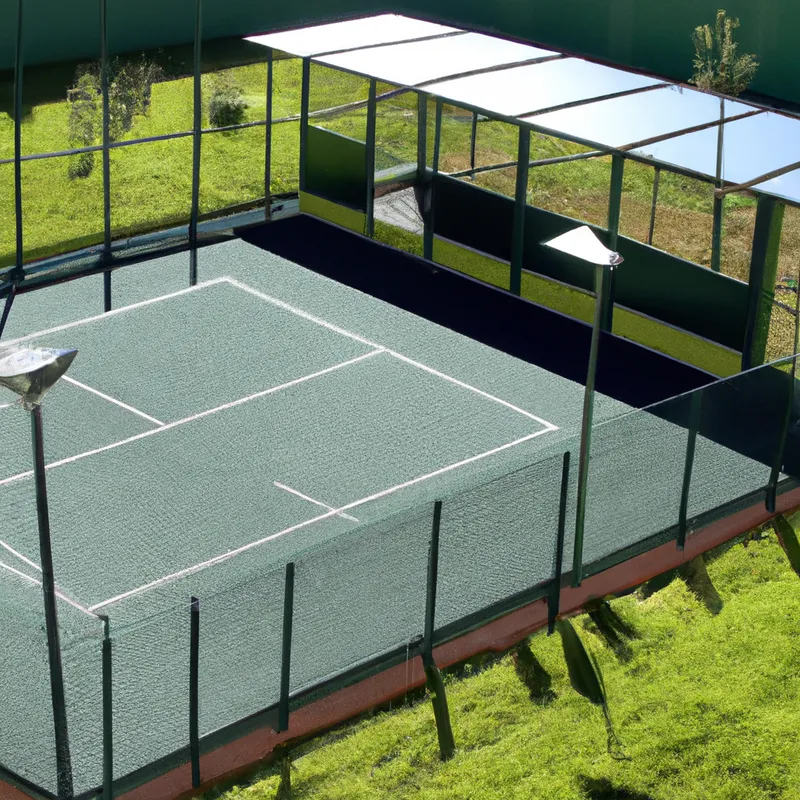
Explore Sustainable Innovations in Padel Construction
Environmental Impact of Padel: Sustainability in Court Construction
Padel, a sport blending tennis and squash, has grown rapidly in popularity over the last decade. More players on the courts have increased the demand for padel facilities and court construction. This rapid growth raises concerns about environmental sustainability. As padel courts multiply, assessing and mitigating their environmental impact becomes essential. We must explore sustainable practices in court construction to protect our planet’s health.
Understanding Padel Court Construction
Constructing padel courts involves materials and designs that significantly affect the environment. Traditional methods often use concrete and synthetic materials, causing detrimental effects. For example, concrete production releases substantial carbon dioxide, contributing to climate change. Additionally, synthetic materials often lack recyclability, increasing waste. We must rethink materials and methods for constructing padel courts.
Choosing Sustainable Materials
Selecting sustainable materials is crucial for creating eco-friendly padel courts. Using recycled materials can drastically reduce the environmental footprint of court construction. For instance, recycled glass or rubber surfaces minimize waste while providing durable playing surfaces that match traditional materials.
Wood offers another sustainable alternative for padel courts. Ensure the wood comes from responsibly managed forests to preserve biodiversity and combat deforestation. By choosing durable and sustainable materials, facility owners can build environmentally friendly courts without sacrificing quality.
Energy-Efficient Construction Techniques
Incorporating energy-efficient construction techniques enhances sustainability. Installing solar panels on or near facilities significantly reduces energy consumption. Solar power can supply lighting and other facilities with renewable energy, lowering operational costs and minimizing fossil fuel reliance.
Furthermore, natural ventilation and lighting can decrease energy use. Designing courts to maximize natural light reduces the need for artificial lighting during the day. Architectural designs that promote airflow lower air conditioning needs, creating a comfortable environment and reducing energy consumption.
Waste Minimization Strategies
Implementing effective waste management strategies is critical during construction. Modular designs allow easier assembly and disassembly of courts, reducing waste generated. Reusable or repurposable modular components minimize new material needs.
Additionally, introducing on-site recycling programs can further reduce waste. Clearly marked bins for different waste types help construction teams dispose of materials properly, maximizing recycling potential.
Tips for Eco-Friendly Court Design
Designing eco-friendly padel courts requires careful planning and consideration of materials and techniques.
Conclusion
In summary, sustainable practices in padel court construction protect the environment while supporting the sport’s growth.
Below are related products based on this post:
FAQ
What are the environmental impacts of traditional padel court construction?
Traditional padel court construction often relies on concrete and synthetic materials, which can have detrimental effects on the environment. The production of concrete releases significant amounts of carbon dioxide, contributing to climate change, while synthetic materials are typically non-recyclable, leading to increased waste.
How can facility owners create eco-friendly padel courts?
Facility owners can create eco-friendly padel courts by selecting sustainable materials, such as recycled glass or rubber, and using responsibly sourced wood. Incorporating energy-efficient construction techniques, like installing solar panels and maximizing natural light, can also enhance sustainability. Additionally, implementing waste minimization strategies, such as modular designs and on-site recycling programs, is crucial.
What are some recommended strategies for waste management during court construction?
Effective waste management strategies during court construction include adopting modular designs that facilitate easier assembly and disassembly, thereby reducing waste. Introducing on-site recycling programs with clearly marked bins for different waste types can help construction teams dispose of materials properly and maximize recycling potential.














Post Comment