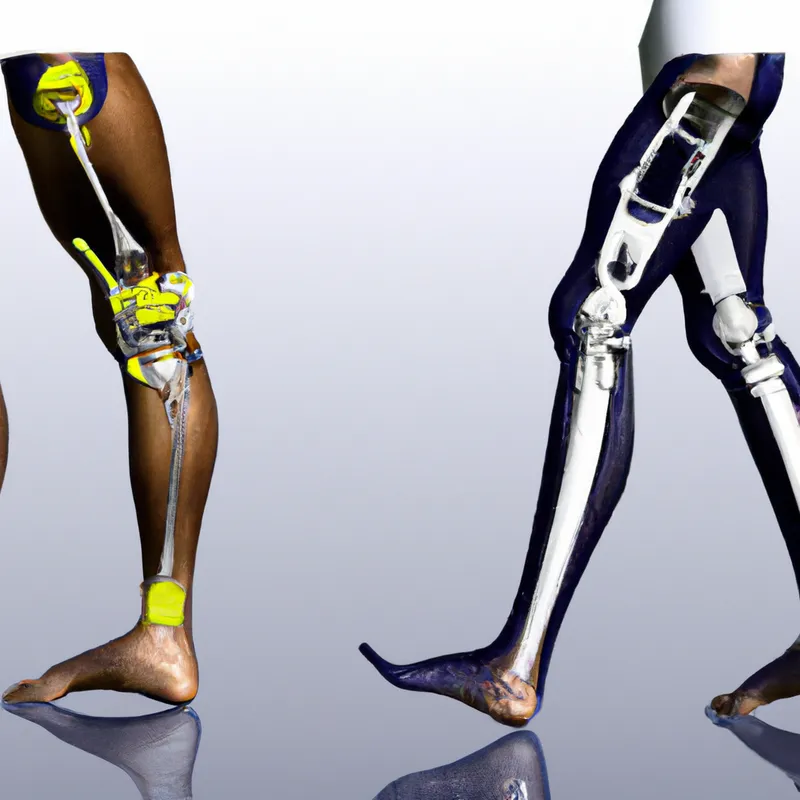
Explore Gait Changes with Advanced Prosthetic Designs
The Influence of Prosthetics on Gait Mechanics
Prosthetics have advanced significantly, changing lives for individuals with limb loss. They restore mobility and influence gait mechanics, which describe walking patterns. Users and healthcare professionals must understand how prosthetics affect gait. This blog explores prosthetics’ impact on gait, offers tips for optimizing walking, shares expert advice, and highlights advanced prosthetic benefits.
Understanding Gait Mechanics
Gait mechanics involve complex movements in walking, including joint and muscle coordination and foot-ground interaction. When users adopt a prosthetic limb, these dynamics change, requiring adaptation. This adaptation affects balance, stride length, and overall speed. Users must understand their prosthetic devices to navigate these changes effectively.
The foot’s interaction with the ground is crucial for gait. A prosthetic limb should mimic this natural interaction closely. Advanced prosthetics use technology to simulate natural movements, allowing users to walk comfortably and efficiently. Each user’s experience with a prosthetic limb varies due to factors like limb loss type, physical condition, and personal goals. Personalized adjustments and ongoing support enhance performance and comfort.
Factors Influencing Gait with Prosthetics
Several factors significantly influence how a prosthetic limb affects gait mechanics:
1. **Type of Prosthetic**: The design and technology of a prosthetic limb influence its performance. For instance, microprocessor-controlled knees adjust in real-time to different terrains, enhancing stability and comfort. These features help users navigate various environments effectively and improve gait.
2. **Fit and Comfort**: Proper fit is crucial for comfort and gait efficiency. A poorly fitted prosthetic can cause discomfort and lead to compensatory walking patterns. Regular fittings and adjustments ensure the device remains comfortable and functional as the user’s body changes.
3. **Physical Condition**: The user’s physical condition and fitness level significantly impact gait mechanics. Stronger muscles and better fitness support adaptation to a prosthetic limb, improving walking patterns. Rehabilitation, strength training, and physical fitness play key roles in successful prosthetic use.
4. **Psychological Factors**: Confidence and motivation influence gait mechanics. Users who feel empowered and confident in their prosthetic limb often demonstrate better walking patterns. Emotional support and encouragement help build this confidence.
Tips for Optimizing Gait with Prosthetics
1. **Focus on Fit**: Ensure your prosthetic limb fits well. Regularly consult with your prosthetist.
Conclusion
In summary, understanding the influence of prosthetics on gait mechanics enhances user experience and walking efficiency.
Below are related products based on this post:
FAQ
How do prosthetics influence gait mechanics?
Prosthetics significantly alter gait mechanics by changing the way users walk. They affect joint and muscle coordination, balance, stride length, and overall speed. Users must adapt to these changes, making it essential to understand how their prosthetic devices work to navigate walking patterns effectively.
What factors should be considered when using a prosthetic limb for optimal gait?
Several factors influence gait mechanics with prosthetics, including the type of prosthetic, fit and comfort, physical condition, and psychological factors. Advanced prosthetics with better technology can enhance stability, while a proper fit ensures comfort. Additionally, a user’s physical fitness and confidence play crucial roles in optimizing gait.
What are some tips for improving walking patterns with a prosthetic limb?
One key tip for improving walking patterns is to focus on the fit of the prosthetic limb. Users should regularly consult with their prosthetist to ensure the device remains comfortable and functional. Additionally, engaging in rehabilitation and strength training can support better adaptation to the prosthetic, enhancing overall walking efficiency.












Post Comment