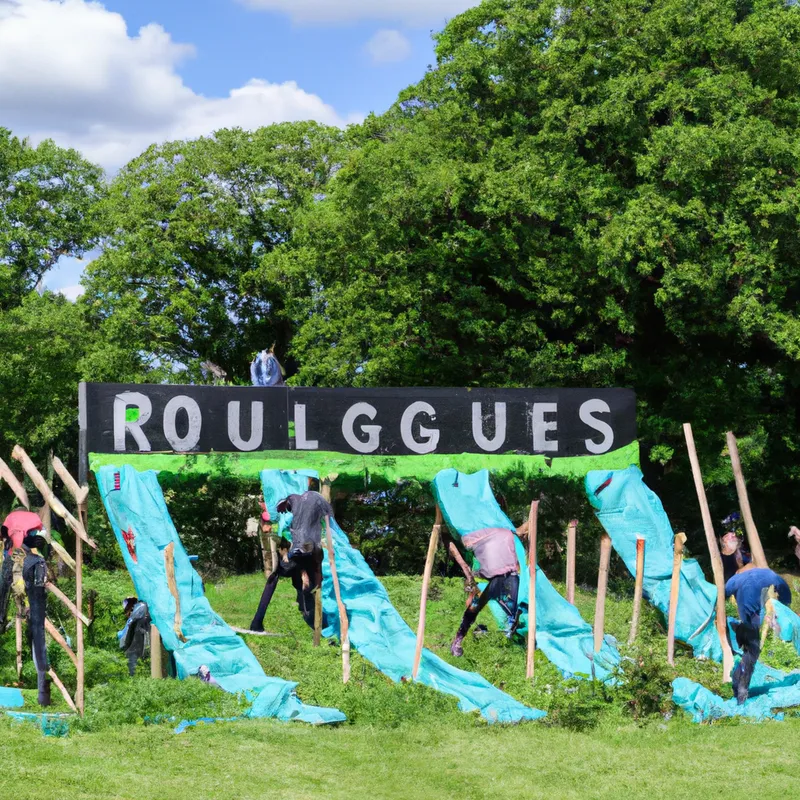
Enhance Endurance to Overcome OCR Hurdles
How to Tackle the Toughest OCR Obstacles: Pro Tips
Obstacle Course Racing (OCR) has gained popularity over the past decade, attracting athletes and adventure seekers. It tests speed, strength, agility, and mental toughness. Whether you’re an experienced racer or a beginner, obstacles can seem daunting. With the right preparation and mindset, you can conquer any challenge. This blog offers strategies and techniques to help you overcome tough OCR obstacles.
Understanding OCR Obstacles
Before exploring solutions, understand the common types of OCR obstacles. Knowing what to expect enhances your preparation. OCRs usually include:
1. **Walls**: These range from 6 to 12 feet high, testing climbing ability and upper body strength.
2. **Rope Climbs**: These require grip strength and coordination of legs and arms.
3. **Monkey Bars**: Swinging from bar to bar tests grip endurance and upper body strength.
4. **Mud Pits and Water Crossings**: These challenge balance, agility, and navigation on slippery surfaces.
5. **Carries**: Carrying heavy objects tests both strength and stamina.
Familiarizing yourself with these obstacles helps tailor your training.
Pro Tips for Overcoming Obstacles
1. Build Functional Strength
Focus on building functional strength for OCR success. Perform compound movements that mimic race demands. Include pull-ups, push-ups, kettlebell swings, and squats in your routine. These exercises enhance muscle strength and improve endurance for race day.
Add grip strength exercises like farmer’s carries and dead hangs. Grip strength is crucial for rope climbs and monkey bars, significantly impacting your performance.
2. Practice Technique
Mastering technique can decide your success on race day. Spend time perfecting techniques for each obstacle. For walls, practice jump and pull-up techniques repeatedly. Use a sturdy structure at a gym or park for wall climbs.
Focus on the S-wrap technique for rope climbs. This technique lets you use your legs to push up, conserving energy in your arms. Practicing these techniques increases confidence and efficiency on the course.
3. Train Your Core
A strong core supports many physical activities, including OCR. A robust core stabilizes your body and enhances performance across obstacles. Incorporate exercises like planks and Russian twists.
Conclusion
By following these tips, you can enhance your OCR performance and tackle challenges effectively. Train hard, focus on technique, and build strength for success on race day.
Below are related products based on this post:
FAQ
What types of obstacles can I expect in an OCR event?
OCR events typically include a variety of obstacles such as walls that range from 6 to 12 feet high, rope climbs requiring grip strength, monkey bars that test upper body endurance, mud pits and water crossings challenging balance, and carries involving heavy objects for strength and stamina.
How can I improve my grip strength for OCR challenges?
Improving grip strength can be achieved by incorporating specific exercises like farmer’s carries, dead hangs, and regular pull-ups into your training routine. These exercises are vital for successfully navigating obstacles like rope climbs and monkey bars.
Why is core strength important for OCR racing?
A strong core is essential in OCR as it stabilizes your body during various obstacles, enhancing your overall performance. Incorporating core-strengthening exercises such as planks and Russian twists can significantly benefit your training and efficiency during the race.












Post Comment