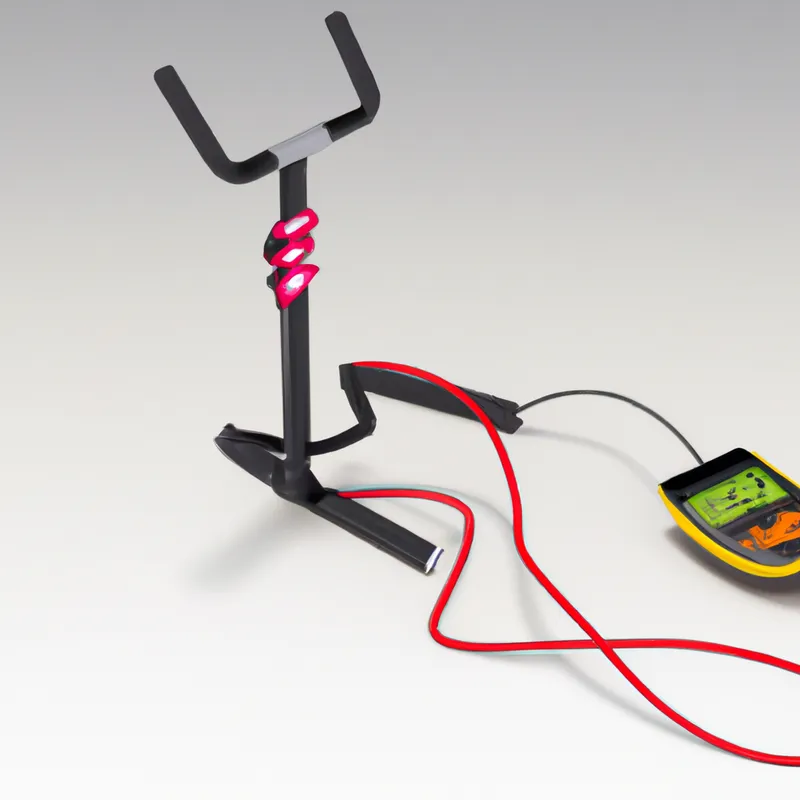
Elevate Recovery: Bungee Resistance Training Unleashed
The Role of Bungee Resistance Training in Athlete Recovery Plans
Athletes continuously push their bodies during training and competition. They need effective recovery strategies to prevent injuries and enhance performance. Bungee resistance training has become a popular recovery method. This blog explores how bungee resistance training benefits athlete recovery plans and offers practical integration tips.
What is Bungee Resistance Training?
Bungee resistance training uses elastic bands or bungee cords for resistance during workouts. Athletes can attach these cords to their bodies or equipment. Bungee training provides dynamic support, mimicking movements specific to each sport. It accommodates various exercises, offering adjustable resistance that challenges athletes based on their abilities.
How Does It Work?
Bungee resistance training mechanics are fascinating. Stretching the bungee cords creates resistance that engages multiple muscle groups. As athletes perform movements, like squats or agility drills, the resistance adapts to the intensity. This adaptability suits athletes of all fitness levels, from beginners to elite competitors.
The elastic bands allow greater motion ranges, promoting flexibility and coordination. Athletes can adjust resistance in real-time, helping them gradually build strength and endurance without injury risks associated with traditional weight training.
Incorporating Bungee Resistance Training into Recovery Plans
Athletes should integrate bungee resistance training with other recovery methods. A comprehensive recovery plan includes rest, nutrition, hydration, and mental recovery techniques. Here are practical tips for effective incorporation:
1. **Start Slowly**: Newcomers should begin with low resistance. This approach helps athletes familiarize themselves with movements and avoid injuries. Increase resistance as strength improves.
2. **Focus on Form**: Correct technique is crucial. Maintaining proper form reduces injury risks and maximizes training benefits. Athletes must pay attention to posture, alignment, and movement patterns.
3. **Listen to Your Body**: Recovery varies for each athlete. They should adjust training intensity based on how they feel. Modify exercises or take breaks if discomfort arises.
4. **Mix It Up**: Combine bungee training with other recovery methods, such as foam rolling.
Conclusion
Bungee resistance training offers innovative recovery benefits for athletes. Integrating it into recovery plans can enhance performance and prevent injuries.
Below are related products based on this post:
FAQ
What are the main benefits of bungee resistance training for athletes?
Bungee resistance training offers several benefits for athletes, including enhanced flexibility, improved coordination, and adjustable resistance that accommodates various fitness levels. This training method mimics sport-specific movements, engages multiple muscle groups, and allows for a broader range of motion, which can help prevent injuries and promote effective recovery.
How should athletes start incorporating bungee resistance training into their recovery plans?
Athletes should start slowly by using low resistance to familiarize themselves with the movements, focusing on maintaining proper form to reduce injury risks. It is important for them to listen to their bodies, adjusting the intensity based on how they feel, and to combine bungee training with other recovery methods for a comprehensive approach.
Can bungee resistance training be beneficial for all levels of athletes?
Yes, bungee resistance training is suitable for athletes of all fitness levels, from beginners to elite competitors. The adaptability of the resistance allows athletes to progressively build strength and endurance while minimizing the injury risks associated with traditional weight training.














Post Comment