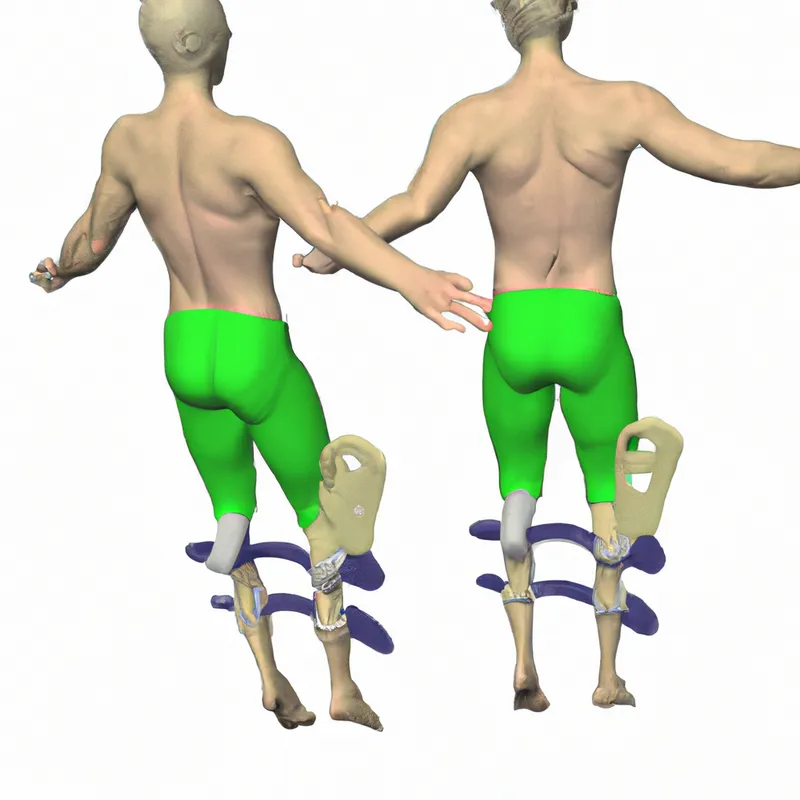
Elevate Core Stability with Scapular Control
The Impact of Scapular Control on Core Stability During Exercise
Core stability often centers on abdominal muscles. However, scapular control plays a crucial role in stability during exercise. The connection between these components is vital for effective movement, athletic performance, and injury prevention. This post explores how scapular control impacts core stability and offers strategies to enhance both.
Understanding Core Stability
Core stability involves a network of muscles supporting the spine and pelvis during movement. While the rectus abdominis often receives attention, deeper muscles like the transverse abdominis, multifidus, and pelvic floor also play key roles. Additionally, back and shoulder muscles contribute to maintaining alignment and balance.
Research shows that a strong core enhances athletic performance and reduces injury risk. A stable core promotes efficient movement patterns. Conversely, compromised core stability forces the body to rely on other muscle groups, leading to imbalances and injuries.
The Role of Scapular Control
Scapular control refers to shoulder blades moving and stabilizing effectively during activities. Proper scapular mechanics support upper body movements, providing a stable base for the arms and influencing posture. Lacking scapular control can create compensatory patterns that affect core engagement and stability.
Weak or uncoordinated scapular muscles often cause rounded shoulders, a common postural issue. This posture hinders core engagement during exercises, making stability challenging. Consequently, individuals may face lower back pain or decreased performance in upper body strength activities.
The Connection Between Scapular Control and Core Stability
Scapular control and core stability are interconnected. The shoulder girdle and core connect through the thoracic spine, forming a kinetic chain. Properly controlled scapulae enhance thoracic spine alignment, which boosts core stability.
If scapular control is deficient, instability in the thoracic region can arise. This instability makes it difficult for core muscles to engage effectively, resulting in a less stable base for movements. Thus, focusing on scapular control is essential for anyone wanting to improve stability and performance.
Tips for Improving Scapular Control
1. **Focus on Posture**: Good posture forms the foundation of scapular control. Whether sitting or standing, maintain shoulder position. Keep shoulders back and down while opening the chest. This alignment promotes proper scapular positioning and overall stability.
2. **Incorporate Scapular Exercises**: Specific exercises can strengthen the muscles that control scapular movement.
Conclusion
Understanding the relationship between scapular control and core stability can enhance performance and prevent injuries. Focus on posture and incorporate targeted exercises to improve both aspects.
Below are related products based on this post:
FAQ
What is the relationship between scapular control and core stability?
Scapular control and core stability are interconnected, as the shoulder girdle and core connect through the thoracic spine, forming a kinetic chain. Properly controlled scapulae enhance thoracic spine alignment, which boosts core stability. Without adequate scapular control, the thoracic region may become unstable, making it challenging for core muscles to engage effectively and compromising overall stability.
Why is scapular control important for athletic performance?
Scapular control is essential for maintaining proper posture and alignment during upper body movements. When scapular mechanics are compromised, it can lead to compensatory movement patterns that affect core engagement, potentially resulting in lower back pain and decreased performance in strength activities. Improving scapular control can enhance overall athletic performance by promoting efficient movement patterns.
What are some effective strategies to improve scapular control?
To improve scapular control, focus on maintaining good posture by keeping shoulders back and down while opening the chest. Additionally, incorporating specific scapular exercises can strengthen the muscles responsible for controlling scapular movement, further enhancing stability and performance during exercises.













Post Comment