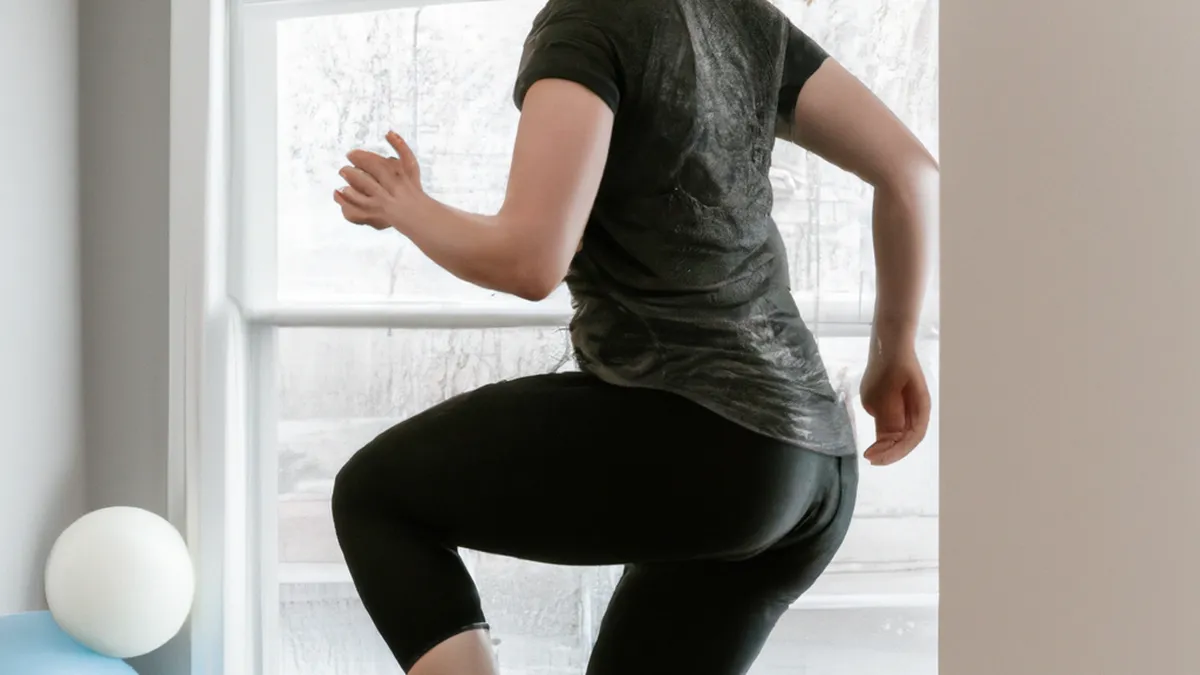
Ease Soreness and Fly Higher
Foam Rolling Benefits for Plyometric AthletesPlyometric athletes push their bodies with explosive movements, demanding agility, strength, and coordination. High-intensity training sessions often cause muscle tightness, soreness, and increased injury risk. Foam rolling effectively enhances performance and supports recovery. This blog explores foam rolling’s numerous benefits for plyometric athletes, showing how this simple practice can transform training and recovery.
Understanding Plyometric Training
Plyometric training features exercises that rapidly stretch and contract muscles to develop strength and power. Common exercises include box jumps, burpees, jump squats, and depth jumps. These workouts build explosive strength but also stress muscles and connective tissues. This stress can cause fatigue, soreness, and injury risk if not managed properly.Many athletes now incorporate foam rolling into their training and recovery. Foam rolling, a self-myofascial release technique, uses a foam roller to apply pressure to specific muscle groups. This technique releases muscle tightness and improves overall muscle function.
Benefits of Foam Rolling
As an Amazon Associate I earn from qualifying purchases.
Gear tip: consider foam roller, massage gun, and lacrosse ball to support this topic.
1. Enhances Flexibility
Flexibility is crucial for plyometric athletes, allowing a greater range of motion during explosive movements. Foam rolling improves flexibility by breaking down muscle adhesions and scar tissue. Flexible muscles enable better form and efficiency, crucial for optimal plyometric performance. Additionally, increased flexibility lowers injury risk, allowing athletes to train harder and longer.
2. Reduces Muscle Soreness
Delayed onset muscle soreness (DOMS) often follows intense plyometric training. Foam rolling alleviates soreness by promoting blood flow to muscles, speeding recovery. Increased circulation delivers essential nutrients while flushing metabolic waste products. Athletes who foam roll frequently experience less discomfort, helping them maintain a consistent training schedule.
3. Improves Muscle Activation
Optimal muscle activation is vital for effective plyometric training. Foam rolling enhances this activation by stimulating the nervous system and improving communication between the brain and muscles. Rolling out tight areas prepares muscles for explosive contractions, boosting performance during training and competitions. This is especially important for rapid force generation in plyometric movements.
4. Aids in Injury Prevention
Injuries commonly concern plyometric athletes due to their high-impact training. Foam rolling plays a crucial role in injury prevention by promoting muscle recovery and maintaining optimal muscle function.
Conclusion
Foam rolling offers plyometric athletes flexibility, soreness reduction, improved muscle activation, and injury prevention. Incorporating it into routines can significantly enhance performance and recovery.
Below are related products based on this post:
FAQ
What is foam rolling?
Foam rolling is a self-myofascial release technique that uses a foam roller to apply pressure to specific muscle groups. This practice helps release muscle tightness and improves overall muscle function, making it beneficial for athletes, especially those engaged in plyometric training.
How does foam rolling enhance flexibility?
Foam rolling enhances flexibility by breaking down muscle adhesions and scar tissue. This increased flexibility allows plyometric athletes to achieve a greater range of motion during explosive movements, which is essential for optimal performance and reduces the risk of injury.
Can foam rolling help with muscle soreness?
Yes, foam rolling can significantly reduce muscle soreness, particularly delayed onset muscle soreness (DOMS) that follows intense training. It promotes blood flow to the muscles, which speeds up recovery by delivering essential nutrients and flushing out metabolic waste products.











Post Comment