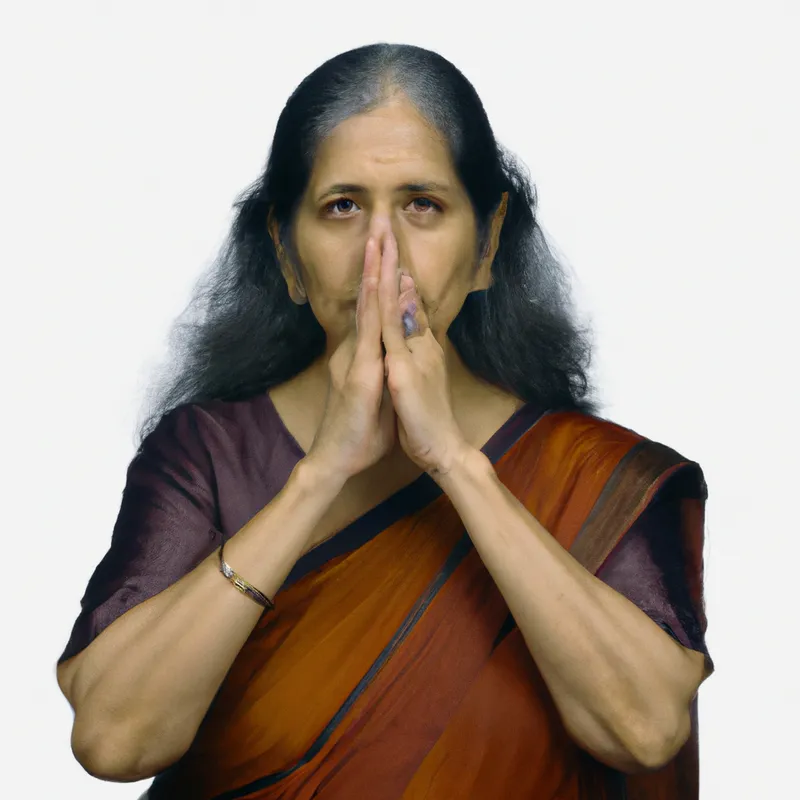
Discover Breath Control: Start Pranayama Today
Pranayama Techniques for Beginners: A Step-by-Step Guide
Pranayama, or breath control, plays a vital role in yoga. This ancient Indian practice enhances physical health and promotes mental well-being. Beginners might find pranayama challenging, but with guidance, anyone can master it. This blog explores essential techniques, provides step-by-step instructions, discusses benefits, and offers effective practice tips. Let’s dive in!
Understanding Pranayama
Understanding pranayama is crucial before starting. The term “pranayama” combines “prana,” meaning life force, and “ayama,” meaning control. Thus, pranayama means controlling and expanding your breath to improve energy flow in the body. This practice includes various techniques that serve unique purposes, from calming the mind to boosting energy.
Practitioners often combine pranayama with asanas and meditation, forming a holistic approach to well-being. Harmonizing breath with movement and mindfulness leads to deeper relaxation and awareness.
Essential Pranayama Techniques for Beginners
1. Diaphragmatic Breathing
Diaphragmatic breathing, or abdominal breathing, serves as an excellent starting point for beginners. This technique fully engages the diaphragm for deeper inhalation and exhalation.
**How to practice:**
1. **Find a Comfortable Position:** Sit or lie down in a quiet space. You can sit cross-legged or in a chair with your feet flat.
2. **Place Your Hands:** Put one hand on your chest and the other on your abdomen to feel the movement as you breathe.
3. **Inhale Deeply:** Breathe in deeply through your nose. Let your abdomen rise while keeping your chest still to engage your diaphragm.
4. **Exhale Slowly:** Exhale gently through your mouth, feeling your abdomen fall. Make your exhalation longer than your inhalation.
5. **Repeat:** Continue this pattern for five to ten minutes, focusing on your abdomen’s rise and fall.
2. Nadi Shodhana (Alternate Nostril Breathing)
Nadi Shodhana balances the body’s energy channels. It calms the mind and promotes mental clarity, making it ideal for reducing stress and anxiety.
**How to practice:**
1. **Sit Comfortably:** Find a comfortable seated position with a straight spine and relaxed shoulders.
2. **Close Your Right Nostril:** Use your right thumb to gently close your right nostril.
3. **Inhale Through the Left Nostril:** Inhale deeply through your left nostril.
Conclusion
Pranayama techniques enhance physical and mental well-being. Start with diaphragmatic breathing and Nadi Shodhana for a balanced practice.
Below are related products based on this post:
FAQ
What is pranayama and why is it important for beginners?
Pranayama, or breath control, is an ancient Indian practice that enhances physical health and promotes mental well-being. For beginners, understanding pranayama is crucial as it involves controlling and expanding breath to improve energy flow in the body, making it a foundational element in yoga.
What are some essential pranayama techniques for beginners?
Two essential pranayama techniques for beginners are diaphragmatic breathing and Nadi Shodhana (alternate nostril breathing). Diaphragmatic breathing engages the diaphragm for deeper breaths, while Nadi Shodhana helps balance the body’s energy channels, calming the mind and reducing stress.
How can beginners effectively practice pranayama techniques?
Beginners can effectively practice pranayama techniques by following step-by-step instructions for each method. For instance, in diaphragmatic breathing, one should find a comfortable position, place hands to feel breathing movement, and focus on the rise and fall of the abdomen. Regular practice for five to ten minutes can enhance the experience and benefits.














Post Comment