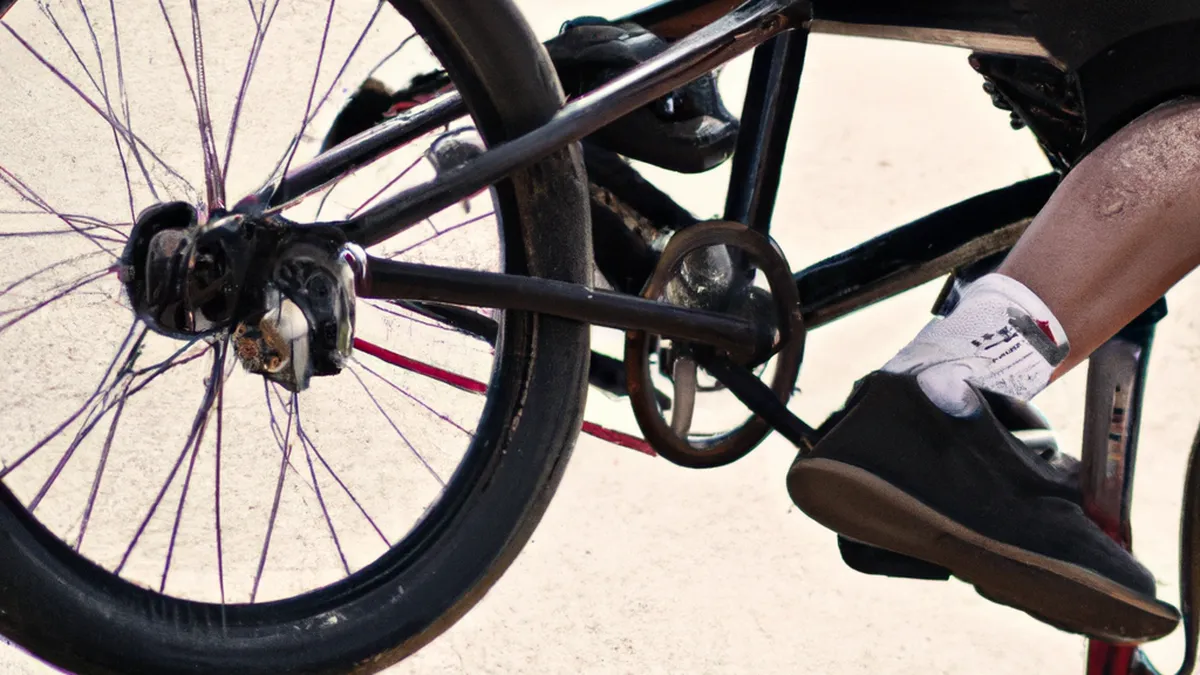
Dirt Track Dynamics: Cornering Like a Pro
Mastering Cornering Precision on DirtCornering on dirt offers thrilling navigation through turns. However, it also presents unique challenges that require skill. You need precision and control to navigate turns effectively. This blog provides practical tips to enhance your cornering skills on dirt surfaces, helping you tackle turns confidently.
Understand Your Bike’s Dynamics
Familiarize yourself with your bike’s dynamics before hitting the dirt. Each bike behaves differently during corners due to weight distribution, suspension setup, and tire design. Start by adjusting your suspension settings. A well-tuned suspension improves traction and stability, helping you maintain control while leaning into turns.Next, check your tire pressure. Lower pressure usually provides better grip on loose surfaces, but balance is crucial. Too low a pressure may cause pinch flats on rocky terrain. Experiment with tire pressures to find the ideal setting for your terrain.
Body Positioning Matters
Your body position greatly impacts cornering performance. Shift your weight forward when entering a turn to load the front tire. This action enhances grip and improves steering response. Lean into the turn while keeping your elbows out. This position grants better control and absorbs bumps in the terrain.Additionally, squeeze your knees against the bike. This technique maintains balance and control, connecting you to the machine. Use your body as a counterweight to steer the bike smoothly through the corner. Lean with your bike to maintain traction and stability.
Choose Your Line Wisely
As an Amazon Associate I earn from qualifying purchases.
Gear tip: consider portable ball rebounder, agility cones, and speed ladder to support this topic.
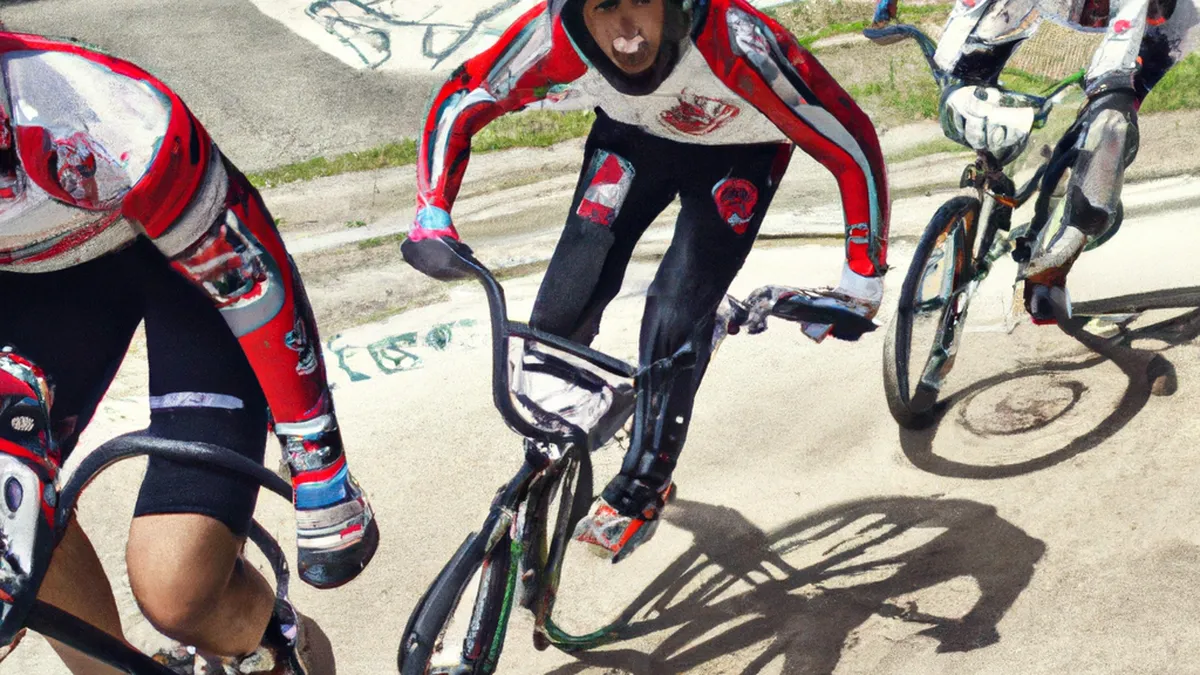
Selecting the right line is crucial for cornering effectively on dirt. Look ahead to identify the best path through the turn. The inside line may seem appealing but might not always be the fastest. Aim for a wider line that offers more traction and smoother surfaces.Dirt corners often contain ruts, loose gravel, or hard-packed sections that can disrupt your flow. Avoid these obstacles, as they can affect your balance and speed. Seek out the cleanest line for a smooth transition through the turn.
Visualize the Corner
Before entering a corner, visualize your approach. Picture how you will navigate it, considering your speed, body position, and line choice. This mental exercise prepares you and improves your reaction time.As you approach the turn, stay relaxed. Tensing up hinders your ability to react to changes in terrain. Focus on your line and maintain a steady speed. Adjust your throttle to keep momentum throughout the turn.
Conclusion
Master cornering on dirt by understanding your bike, positioning your body, choosing the right line, and visualizing your approach.
Below are related products based on this post:
FAQ
What are the key factors to consider when cornering on dirt?
Key factors include understanding your bike’s dynamics, adjusting suspension settings, and checking tire pressure. Each bike behaves differently, so it’s essential to find the right balance for traction and stability while navigating turns.
How does body positioning affect cornering performance?
Body positioning is crucial for cornering performance as it influences grip and steering response. Shifting your weight forward, leaning into the turn, and squeezing your knees against the bike helps maintain control and balance during the maneuver.
Why is line choice important in cornering on dirt?
Choosing the right line is important because it affects your speed and stability through the turn. A wider line often provides more traction and smoother surfaces, helping you avoid obstacles like ruts and loose gravel that can disrupt your flow.












Post Comment