
Critical Decisions for Relay Team Success
Strategy for Team Relay EventsTeam relay events excite with their mix of individual skill and teamwork. Relays require speed, skill, strategy, and coordination. A well-coordinated team often outperforms talented individuals lacking synergy. This guide explores strategies to boost your team’s relay performance.
Understanding the Relay Format
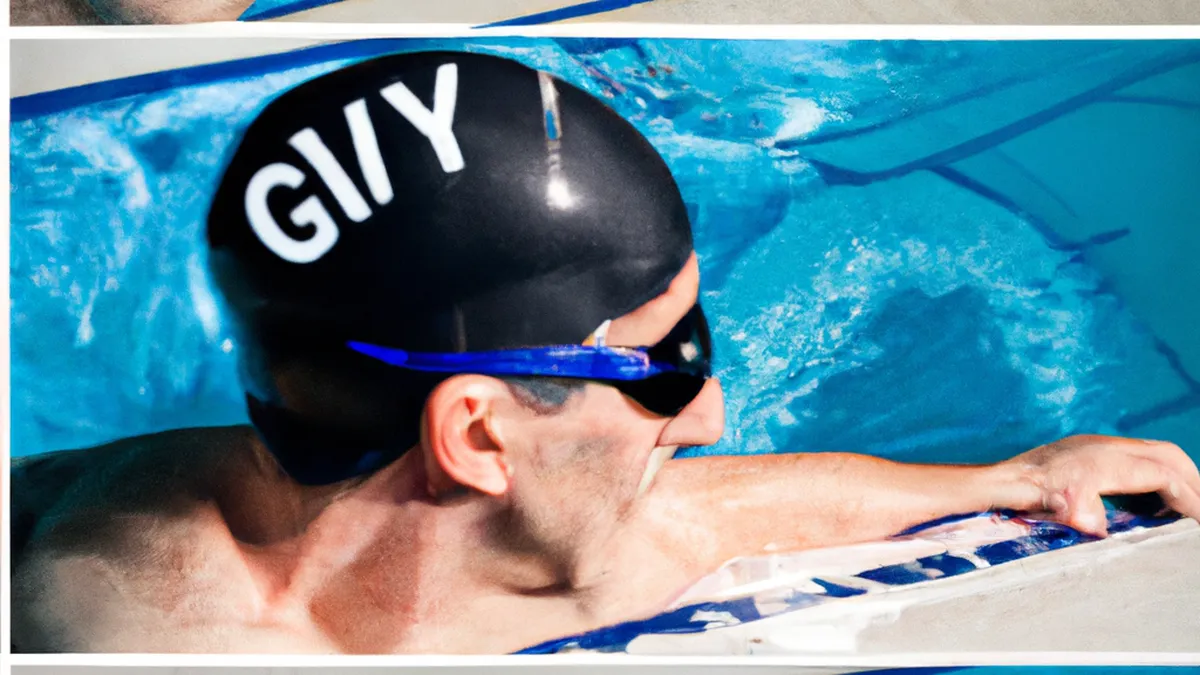
Relays feature various formats with specific rules. Familiarize yourself with these details. Track relays usually involve four runners, each covering a set distance before passing a baton. Swimming relays also consist of four swimmers, each completing a race segment, often using different strokes. Understand your relay event nuances to develop effective strategies.
Analyze Your Team’s Strengths
Assess each team member’s strengths and weaknesses before training. Some runners excel in speed, while others have endurance. Swimmers may prefer specific strokes or distances. Conduct performance assessments or time trials to identify ideal segment placements. Create a balanced lineup that maximizes individual strengths.For example, position a fast runner in the first leg if they struggle with endurance. Place a strong pace-maintainer in the anchor leg for a strong finish.
Develop a Seamless Baton Exchange
Baton exchanges often determine relay race outcomes. Poor exchanges can cause time loss and disqualification. To avoid this, practice handoffs repeatedly. Focus on the exchange mechanics: the outgoing runner should start sprinting before the incoming runner arrives for an efficient baton transfer.Use visual markers to indicate when the outgoing runner should accelerate. Rehearse the handoff until it feels natural. Ensure team members communicate clearly during this process. Use verbal cues to signal transitions, synchronizing movements and minimizing errors.
Tips for Optimal Performance
As an Amazon Associate I earn from qualifying purchases.
Gear tip: consider swim goggles, swim cap, and running belt to support this topic.
Establish a Pre-Race Routine
A consistent pre-race routine can enhance team performance. Include warm-up exercises, mental preparation, and strategy discussions in this routine. Warm-ups prepare the body and prevent injuries. Incorporate dynamic stretches, light jogging, and sport-specific drills to ensure readiness.Mental preparation is crucial too. Use visualization techniques to help each member imagine their performance and successful execution in the relay. This practice builds confidence and reduces anxiety.
Conclusion
In summary, effective strategies can significantly improve your team’s relay performance. Focus on strengths, practice exchanges, and establish routines for success.
Below are related products based on this post:
FAQ
What are the key components of a successful relay team?
A successful relay team combines individual skill with teamwork, requiring speed, strategy, and coordination. Understanding each team member’s strengths and weaknesses is essential to maximize performance and enhance synergy during the race.
How can teams improve their baton exchange?
Teams can improve baton exchanges by practicing handoffs repeatedly and focusing on the mechanics involved. It is crucial for the outgoing runner to start sprinting before the incoming runner arrives, and using visual markers can help indicate when to accelerate for a smooth transfer.
What role does a pre-race routine play in relay performance?
A consistent pre-race routine enhances team performance by preparing both the body and mind. This routine should include warm-up exercises, mental preparation, and strategy discussions to build confidence and reduce anxiety before the race.













Post Comment