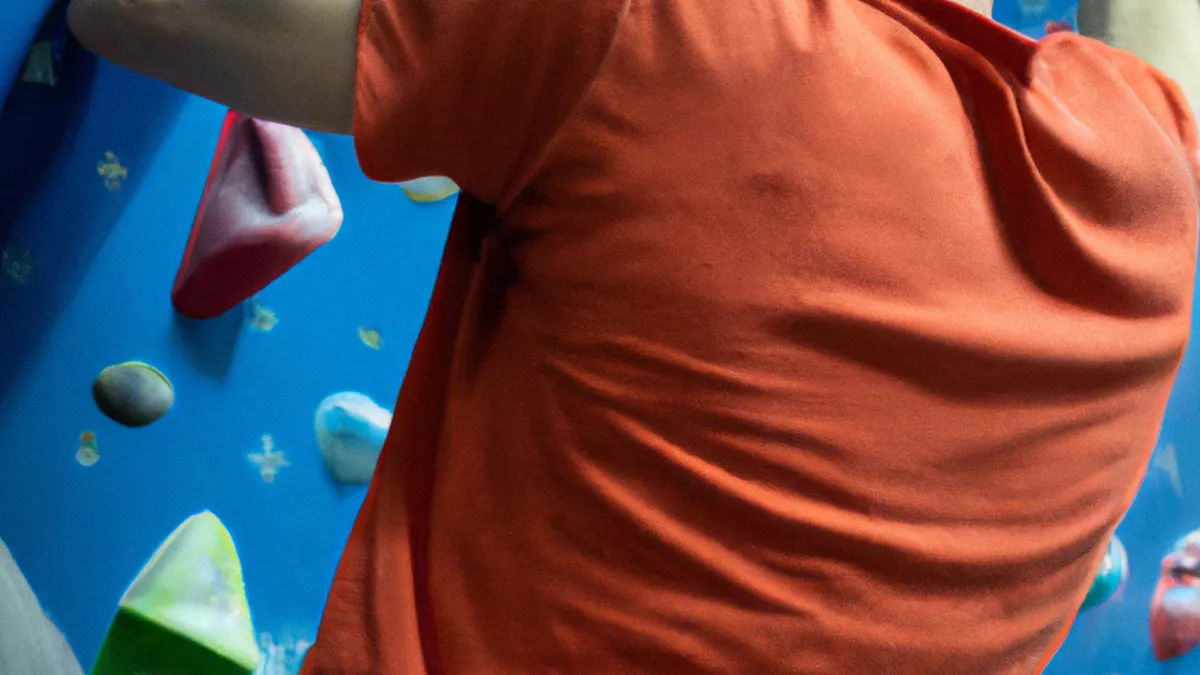
Climber Readiness: Mental and Physical Checks
Assessing Climber Readiness: A Comprehensive GuideClimbing combines physical strength, skill, and mental focus. Assess your readiness before tackling new challenges to enhance safety and enjoyment. This guide discusses how to evaluate climber readiness, offers advice, and highlights benefits.
Understand Your Skill Level
Start by understanding your climbing skill level. Techniques vary across disciplines like bouldering, sport climbing, trad climbing, and alpine climbing.
Evaluate Your Experience
Reflect on your climbing experience. Have you climbed similar routes? If you’re a beginner, start with easier routes that match your skills. Progress gradually to build confidence and minimize injury risks.Familiarize yourself with local grading systems. Knowing how climbs are rated helps you select appropriately challenging routes.
Seek Feedback from Others
Engage with fellow climbers or instructors for valuable insights. Their feedback identifies strengths and areas for improvement. Embrace constructive criticism to foster growth. Climbing with experienced partners accelerates learning through observation and questions.
Assess Your Physical Fitness
As an Amazon Associate I earn from qualifying purchases.
Gear tip: consider climbing shoes, chalk bag, and belay device to support this topic.
Climbing demands strength, endurance, and flexibility. Assess your fitness to ensure you can handle your chosen climbs.
Focus on Strength Training
Incorporate strength training into your routine. Target crucial muscle groups, especially your upper body, core, and legs. Perform exercises like pull-ups, push-ups, planks, and squats. Add climbing drills, such as fingerboard workouts, to improve grip strength.Muscle endurance matters too. Include stamina-building exercises like circuit training or high-intensity interval training (HIIT).
Improve Cardiovascular Endurance
Climbing often involves long efforts. Include cardiovascular workouts in your training plan. Activities like running, cycling, swimming, or rowing enhance endurance and overall fitness. A balanced cardio program helps you tackle long climbs efficiently with reduced fatigue.
Mental Preparedness is Key
Mental readiness plays a crucial role in climbing success.
Conclusion
Assessing climber readiness ensures safety, builds confidence, and enhances your climbing experience. Prepare physically and mentally for every climb.
Below are related products based on this post:
FAQ
What is climber readiness?
Climber readiness refers to the assessment of an individual’s physical and mental preparedness before tackling climbing challenges. It involves evaluating skills, fitness levels, and mental focus to enhance safety and enjoyment during climbs.
How can I evaluate my climbing skill level?
To evaluate your climbing skill level, reflect on your past climbing experiences and familiarize yourself with local grading systems. Start with routes that match your current abilities and progress gradually to build confidence while minimizing injury risks.
Why is mental preparedness important in climbing?
Mental preparedness is crucial in climbing as it significantly impacts your success and safety. Being mentally ready helps you manage challenges, maintain focus, and make better decisions while climbing, ultimately enhancing your overall experience.














Post Comment