Boost Recovery: Foam Rolling and DOMS Explained
The Impact of Foam Rolling on Delayed Onset Muscle Soreness (DOMS)
Delayed Onset Muscle Soreness, or DOMS, affects many athletes and fitness enthusiasts. It usually appears 24 to 48 hours after intense workouts. This soreness can hinder performance and reduce motivation. Thus, effective recovery strategies are essential. Foam rolling has gained popularity as a method to manage DOMS. But how does it affect DOMS? Let’s explore its science, benefits, and effective incorporation into fitness routines.
Understanding DOMS
DOMS represents a physiological response after intense or unaccustomed exercise, especially after eccentric movements. During workouts, muscle fibers sustain microscopic damage, leading to inflammation and pain signals. This inflammatory response aids muscle repair and growth but causes stiffness and soreness. While DOMS results from the body’s adaptation process, managing its effects can improve workout performance and recovery.
Why Foam Rolling?
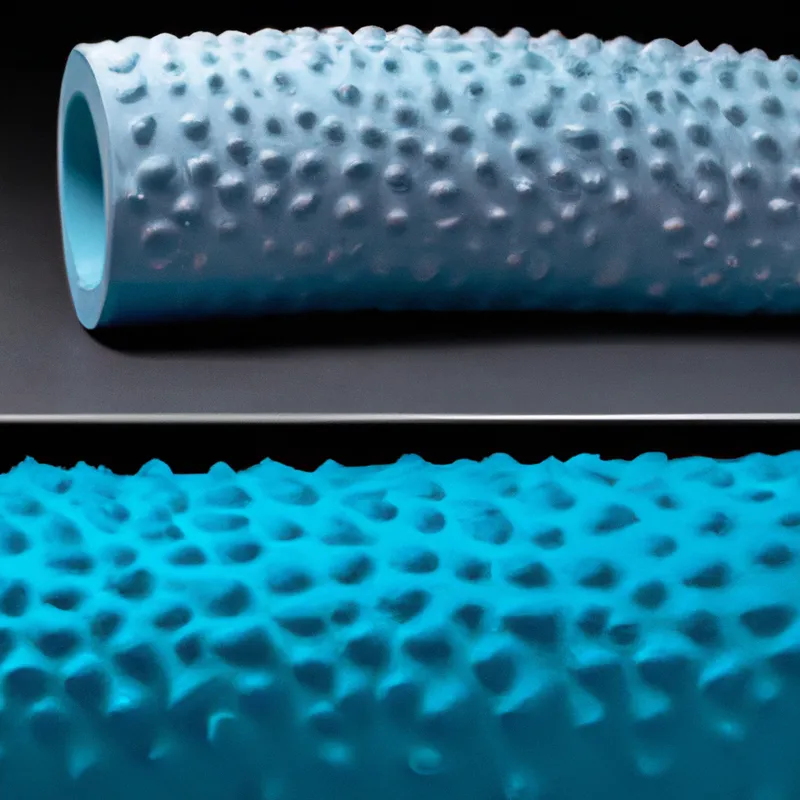
Foam rolling offers self-myofascial release, applying pressure to specific body areas to relieve muscle and fascia tightness. Foam rollers, made from dense foam, target various muscle groups. Rolling over these muscles releases tension, increases blood flow, and promotes relaxation.
Foam rolling has gained popularity among athletes due to its accessibility and benefits. But what does research indicate about its effectiveness?
How Foam Rolling Affects DOMS
Numerous studies show foam rolling significantly reduces muscle soreness intensity after exercise. Foam rolling stimulates blood circulation to affected muscles. This increased flow flushes out metabolic waste products, like lactic acid, from intense workouts. Additionally, enhanced circulation supplies essential nutrients and oxygen, aiding recovery.
Moreover, foam rolling breaks down adhesions and knots in muscle fibers, improving elasticity and flexibility. This benefit proves useful after intense training sessions, as tight muscles can worsen soreness.
Tips for Effective Foam Rolling
To maximize foam rolling benefits, consider these tips:
1. **Target Sore Areas**: Focus on specific tight or sore muscles. For example, concentrate on quadriceps, hamstrings, and calves if your legs are affected. Spending extra time here can effectively relieve tension.
2. **Use Proper Technique**: When foam rolling, roll slowly over the muscle.
Conclusion
Foam rolling effectively reduces DOMS and enhances recovery. Incorporating it into your routine can significantly improve performance.
Below are related products based on this post:
FAQ
What is Delayed Onset Muscle Soreness (DOMS)?
Delayed Onset Muscle Soreness (DOMS) is a physiological response that typically occurs 24 to 48 hours after intense or unaccustomed exercise, particularly following eccentric movements. It results from microscopic damage to muscle fibers, leading to inflammation and pain, which can impact performance and motivation.
How does foam rolling help with DOMS?
Foam rolling helps reduce the intensity of muscle soreness by stimulating blood circulation to affected muscles, which flushes out metabolic waste products and delivers essential nutrients and oxygen for recovery. It also aids in breaking down adhesions and knots within muscle fibers, improving flexibility and elasticity, which can alleviate tightness and soreness after workouts.
What are some tips for effective foam rolling?
To maximize the benefits of foam rolling, focus on specific sore or tight muscle areas, such as the quadriceps, hamstrings, and calves. Additionally, use proper technique by rolling slowly over the muscles to effectively relieve tension and promote relaxation.














Post Comment