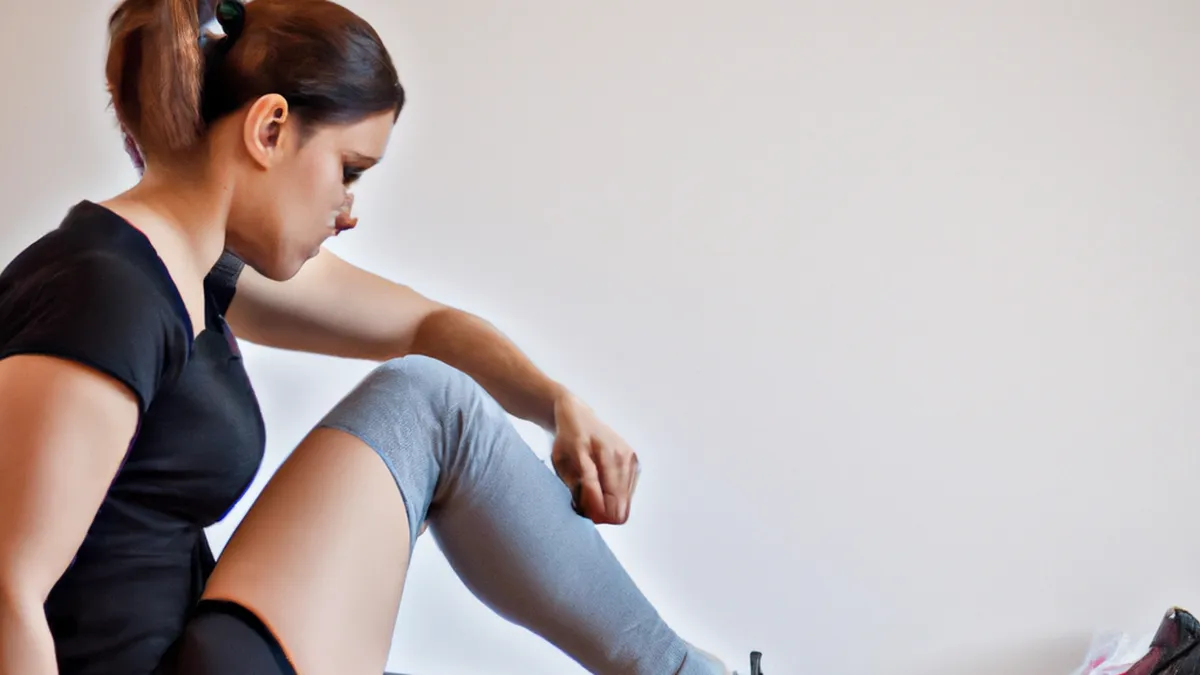
Balancing Carbs vs Protein: Female Edition
Female Athlete Nutrition NeedsFemale athletes encounter specific nutritional challenges that impact performance, recovery, and health. Understanding these needs enhances performance and promotes wellness. This guide examines essential nutrition components and provides practical dietary advice.
Macronutrients Matter
Carbohydrates for Energy
Carbohydrates serve as the primary fuel for aerobic and anaerobic activities. They replenish glycogen stores in muscles and liver, essential for endurance and high-intensity training. Female athletes should consume complex carbohydrates like whole grains, fruits, and vegetables for lasting energy. Aim for 45-65% of daily calories from carbohydrates. Include a variety of sources, such as quinoa, brown rice, oats, and sweet potatoes, to meet energy needs.
Protein for Recovery
Protein supports muscle repair and maintenance. Female athletes require sufficient protein to maintain lean muscle mass and optimize recovery. Aim for 1.2 to 2.0 grams of protein per kilogram of body weight, depending on training intensity. Good protein sources include lean meats, poultry, fish, dairy, eggs, beans, legumes, and plant-based options like tofu. Include protein in every meal and snack for a steady supply of amino acids.
Healthy Fats for Hormonal Balance
Healthy fats regulate hormones, produce energy, and support overall health. Female athletes often overlook fat, yet it is vital for hormonal balance and reproductive health. Aim for 20-35% of daily calories from healthy fats. Include avocados, nuts, seeds, olive oil, and fatty fish like salmon in your diet. These fats provide energy and support fat-soluble vitamin absorption.
Micronutrients Matter
As an Amazon Associate I earn from qualifying purchases.
Gear tip: consider compression socks, compact home gym set, and compression sleeves to support this topic.
Iron for Performance
Iron transports oxygen in the blood, making it vital for athletes. Female athletes face higher iron deficiency risks due to menstruation and physical demands. Low iron levels cause fatigue and decreased performance. Include iron-rich foods like red meat, poultry, fish, lentils, beans, tofu, and leafy greens. Pair these with vitamin C sources, like citrus fruits, to enhance absorption. Consult a healthcare professional for blood tests and personalized advice if concerned about iron levels.
Calcium and Vitamin D for Bone Health
Calcium and vitamin D support bone health and overall physical performance.
Conclusion
In summary, female athletes require a balanced diet tailored to their unique nutritional needs for optimal performance and health.
Below are related products based on this post:
FAQ
What are the primary macronutrients important for female athletes?
Female athletes need carbohydrates, protein, and healthy fats to support their performance and recovery. Carbohydrates serve as the main fuel source, while protein is essential for muscle repair. Healthy fats help regulate hormones and support overall health.
How much protein should female athletes consume?
Female athletes should aim for 1.2 to 2.0 grams of protein per kilogram of body weight, depending on their training intensity. Including protein in every meal and snack is important for maintaining lean muscle mass and optimizing recovery.
Why is iron important for female athletes?
Iron is crucial for transporting oxygen in the blood, which is vital for athletic performance. Female athletes are at a higher risk of iron deficiency due to menstruation and physical demands, making it important to include iron-rich foods in their diet.












Post Comment